JERUJI

Punk
Hardcore Punk
Other Electronic Music
 Viberate Rank: 145691
 Viberate Rank: 145691
 Monthly ListenersFollowers
 Subscribers
 Followers
 Followers
 FansTop Spotify Songs
| Track | 7-Day Streams | |
|---|---|---|
1 | 702 | |
2 | 635 | |
3 | 379 | |
4 | 227 | |
5 | 64 |
Top YouTube VideosMonthly ListenersFeatured in Playlists| Playlist | Followers | |
|---|---|---|
1 | Hard core indonesia Dhanynovember | 2.76K |
2 | Indonesian Punk Bullet Head | 2.72K |
3 |  Indonesia Hardcore amërbøti | 2.21K |
4 |  2024 Hardcore Releases No Echo | 1.85K |
5 | ROCK METAL INDONESIA VJ Music Entertainment | 1.69K |
Audience| City | Monthly Listeners | |
|---|---|---|
1 | | 1.29K |
2 | | 478 |
3 | | 322 |
4 | | 240 |
5 | | 233 |
See full performance history, audience data, playlist activity, rankings, comparisons, and more in Viberate music analytics. Start with a free trial, then continue with a paid plan.
JERUJI’s Spotify Bio1st album Freedom
2nd album Lawan
3rd album 3rd
4th album Warlock
5th album Stay True
6th album Satu Barisan
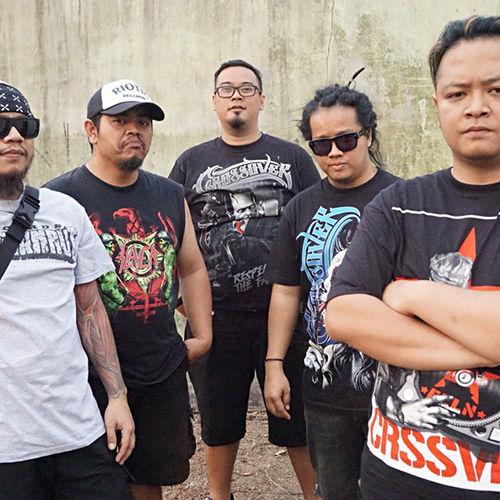
Jeruji is Indonesian hardcore punk bands and was one of the first bands to make a significant impact in their hometown, Bandung. Formed and grew up in the mid-1990s when the raising local hardcore punk scene started to bloom. Their first album is considered as one of seminal albums in the history of Bandung HC/Punk. Through the years, Jeruji have gone through a multitude of lineup changes as they have evolved, releasing four albums on few different labels. Their early styles rooted in straight forward punk in the vein of Chaos UK, Varukers, early GBH and D- Beat gods like Discharge. Their styles evolves as they went through line-up changes during the second decade of their existence, but the spirit and the messages stay the same. Jeruji recent music style bears resemblance to 90s NYHC bands with heavy influences from metal and late 80s crossover thrash fused with the band's political,… ethical and emotional underpinnings, is an unlikely marriage but one that produces a powerful forces and inspiration within local communities.
Viberate is a music analytics platform built for A&Rs, artist managers, labels, booking agents, marketers, and artists.
It helps music professionals track artist growth, analyze audience data, monitor playlist activity, compare artists, follow song performance, and identify opportunities across the music market.
Public artist pages provide a free preview of selected artist data. Paid plans provide access to deeper analytics, historical data, charts, comparisons, playlist tools, exports, alerts, reports, and additional professional features.
Yes. Public Viberate artist pages provide selected artist analytics and music data for free.
Viberate also offers a 7-day free trial of the full platform. A credit card is required to start the trial. The trial includes access to the complete product so users can test deeper artist analytics, historical views, playlist insights, comparisons, charts, exports, alerts, and reporting features before choosing a paid plan.
Viberate provides artist analytics across streaming, playlists, social media, video, radio airplay, songs, and audience markets.
Users can analyze Spotify performance, Spotify and Apple Music playlists, YouTube activity, TikTok and Instagram growth, radio spins, song performance, audience locations, demographics, rankings, and overall artist momentum.
Artist profiles also connect to music charts, similar artists, and comparison tools, helping users benchmark performance and evaluate artists in context.
Viberate updates key artist and track data daily.
For followed artists and tracks, selected data is refreshed multiple times per day. This helps teams monitor playlist changes, streaming movement, audience growth, releases, and campaign performance with more current data.
Update frequency can vary depending on the metric and data source.
Yes. Viberate lets users compare up to five artists side by side across streaming, social media, audience, and engagement metrics.
Users can compare fanbase growth, audience demographics, locations, Spotify performance, social metrics, and other artist data over selected time periods.
Artist comparison can be used for A&R scouting, benchmarking, booking decisions, campaign planning, and evaluating artists with similar audiences or market positions.