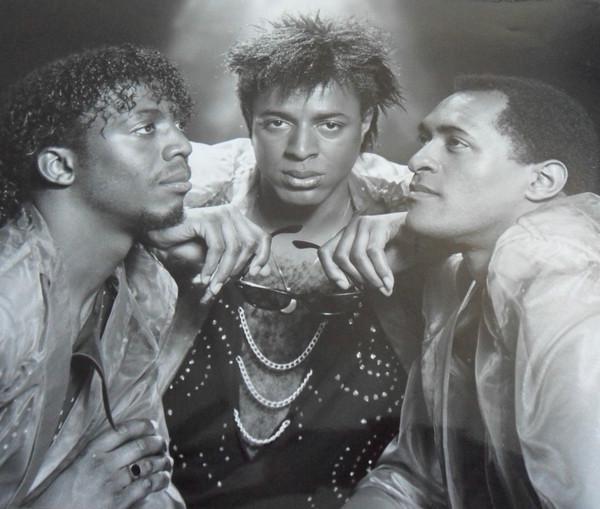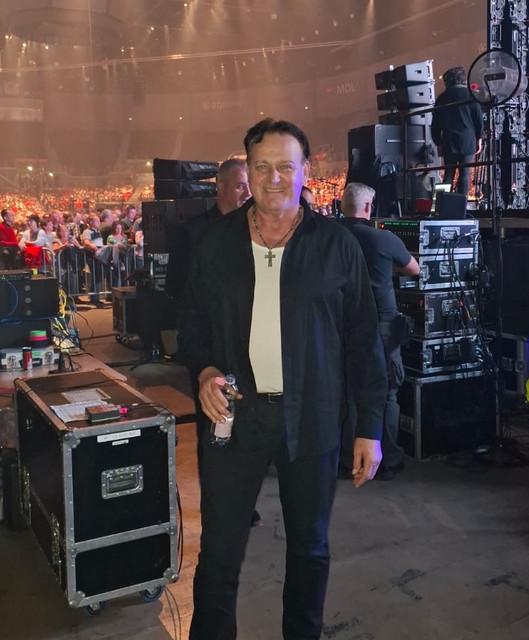
Jermaine Jackson

Pop
Mainstream Pop
Disco
Soul
 Viberate Rank: 22958
 Viberate Rank: 22958
 Monthly ListenersFollowers
 Subscribers
 Followers
 Followers
 FansTop Spotify SongsTop YouTube VideosMonthly ListenersFeatured in Playlists
| Playlist | Followers | |
|---|---|---|
1 |  Années 80 Spotify | 1.18M |
2 |  80er Hits Spotify | 935.32K |
3 |  This Is Whitney Houston Spotify | 645.83K |
4 |  BEST SONGS OF ALL TIME Best Songs Of All Time | 430.50K |
5 |  Whitney Houston Greatest Hits Filtr Legacy Sweden | 320.63K |
Audience| City | Monthly Listeners | |
|---|---|---|
1 |  | 16.16K |
2 |  | 14.97K |
3 | | 12.79K |
4 | | 12.52K |
5 | | 12.12K |
See full performance history, audience data, playlist activity, rankings, comparisons, and more in Viberate music analytics. Start with a free trial, then continue with a paid plan.
Jermaine Jackson’s Spotify BioThe lone Jackson family member to stay with Motown while the other brothers split for CBS/Epic (he was then married to Berry Gordy's daughter Hazel), Jermaine enjoyed a artistically diffident career during the '70s at Motown, surfacing with an occasional hit like a remake of "Daddy's Home" (1972) and "Let's Be Young Tonight" (1975). Jermaine got a badly needed shot in the arm from Stevie Wonder, who wrote and produced "Let's Get Serious," a Top Ten pop and soul dance hit that came around the time of brother Michael's pop ascendancy. After scoring a Top 20 pop hit in 1982 with the infectious "Let Me Tickle Your Fancy," Jermaine left Motown in 1983 for Arista Records, where he scored a pair of hits in 1984 with "Do What You Do" and the scintillating dance number "Dynamite." Subsequently, he re-joined the Jacksons in time for their ill-fated Victory tour in 1984. Jackson has recorded sporadically since, though he generated controversy in 1991 when "Word to the Badd," a thinly veiled… attack on his brother Michael, was leaked out to urban music stations. ~ John Lowe, Rovi
Viberate is a music analytics platform built for A&Rs, artist managers, labels, booking agents, marketers, and artists.
It helps music professionals track artist growth, analyze audience data, monitor playlist activity, compare artists, follow song performance, and identify opportunities across the music market.
Public artist pages provide a free preview of selected artist data. Paid plans provide access to deeper analytics, historical data, charts, comparisons, playlist tools, exports, alerts, reports, and additional professional features.
Yes. Public Viberate artist pages provide selected artist analytics and music data for free.
Viberate also offers a 7-day free trial of the full platform. A credit card is required to start the trial. The trial includes access to the complete product so users can test deeper artist analytics, historical views, playlist insights, comparisons, charts, exports, alerts, and reporting features before choosing a paid plan.
Viberate provides artist analytics across streaming, playlists, social media, video, radio airplay, songs, and audience markets.
Users can analyze Spotify performance, Spotify and Apple Music playlists, YouTube activity, TikTok and Instagram growth, radio spins, song performance, audience locations, demographics, rankings, and overall artist momentum.
Artist profiles also connect to music charts, similar artists, and comparison tools, helping users benchmark performance and evaluate artists in context.
Viberate updates key artist and track data daily.
For followed artists and tracks, selected data is refreshed multiple times per day. This helps teams monitor playlist changes, streaming movement, audience growth, releases, and campaign performance with more current data.
Update frequency can vary depending on the metric and data source.
Yes. Viberate lets users compare up to five artists side by side across streaming, social media, audience, and engagement metrics.
Users can compare fanbase growth, audience demographics, locations, Spotify performance, social metrics, and other artist data over selected time periods.
Artist comparison can be used for A&R scouting, benchmarking, booking decisions, campaign planning, and evaluating artists with similar audiences or market positions.