Jeremy Udden

Jazz
Free Jazz
Folk
 Viberate Rank: 501933
 Viberate Rank: 501933
 Monthly ListenersFollowers
 Subscribers
 Followers
 Followers
 FansTop Spotify Songs
| Track | 7-Day Streams | |
|---|---|---|
1 | 49 | |
2 | 36 | |
3 | 19 | |
4 | 12 | |
5 | 11 |
Top YouTube Videos| Video | 7-Day Views | |
|---|---|---|
1 | 2 | |
2 | 2 |
Monthly ListenersFeatured in Playlists| Playlist | Followers | |
|---|---|---|
1 |  Experimental Classical & Avant Garde Jazz (marginal Techno) tylerrutherford | 1.87K |
2 | FENDER RHODES//ELECTRIC PIANO JAZZ David Kenderian | 1.09K |
Audience| City | Monthly Listeners | |
|---|---|---|
1 | | 13 |
2 | | 9 |
3 |  | 8 |
4 | | 7 |
5 | | 6 |
See full performance history, audience data, playlist activity, rankings, comparisons, and more in Viberate music analytics. Start with a free trial, then continue with a paid plan.
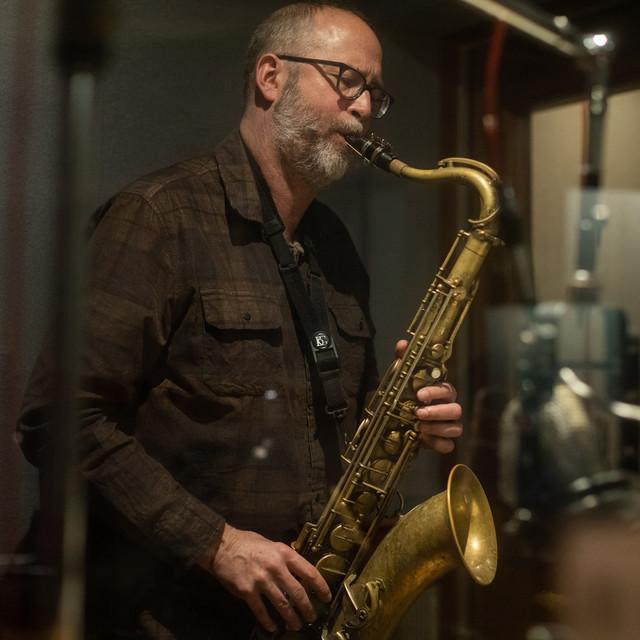
Jeremy Udden’s Spotify BioA forward-thinking jazz saxophonist and educator, Jeremy Udden has a harmonically sophisticated style and genre-bending approach that often combines folk, rock, and post-bop. Initially emerging in the 2000s, he has worked with trumpeter John McNeil and the Either/Orchestra, as well as issuing his own inventive albums like 2011's If the Past Seems So Bright and 2015's Belleville Project with bassist Nicolas Moreaux.
Born in Plainville, Massachusetts in 1978, Udden first began playing saxophone in elementary school and by his teens had developed into a gifted performer. During high school, he played in various band and orchestra ensembles, as well as his own jazz and ska groups. In his senior year, he was accepted into the competitive All-Eastern Jazz Ensemble and the Grammy Band. After high school, he majored in jazz performance at the New England Conservatory, where he studied privately with such highly respected players/teachers as Jerry Bergonzi, George Garzone, Allan Chase, and… others.
Since graduating in 2000, Udden has worked steadily, playing regularly with a handful of ensembles including the Either/Orchestra, his own folk/jazz/rock-fusion ensemble Plainville, and Hush Point with trumpeter John McNeil, bassist Aryeh Kobrinsky, and drummer Anthony Pinciotti. As a leader, he made his debut with Torchsongs on Fresh Sound New Talent in 2006. Three years later, Plainville released their self-titled debut, followed in 2011 by If the Past Seems So Bright.
Along with performing, Udden is a dedicated educator who has worked as an instructor at various institutions including the New England Conservatory of Music, the University of Rhode Island, the Longy School of Music, Emerson College, and Brooklyn's Packer Collegiate Institute, among others. In 2012, he delivered his sophomore solo effort, Folk Art, featuring fellow Plainville members -- banjo player Brandon Seabrook, bassist Jeremy Stratton, drummer Kenny Wollesen, keyboardist Pete Rende, and others. He then joined bassist Nicolas Moreaux on Belleville Project before reuniting with McNeil for 2017's Hush Point, Vol. 3. Three in Paris arrived in 2019 and again showcased Udden's ongoing work with Moreaux, this time with added drummer John Betsch. ~ Matt Collar, Rovi
Viberate is a music analytics platform built for A&Rs, artist managers, labels, booking agents, marketers, and artists.
It helps music professionals track artist growth, analyze audience data, monitor playlist activity, compare artists, follow song performance, and identify opportunities across the music market.
Public artist pages provide a free preview of selected artist data. Paid plans provide access to deeper analytics, historical data, charts, comparisons, playlist tools, exports, alerts, reports, and additional professional features.
Yes. Public Viberate artist pages provide selected artist analytics and music data for free.
Viberate also offers a 7-day free trial of the full platform. A credit card is required to start the trial. The trial includes access to the complete product so users can test deeper artist analytics, historical views, playlist insights, comparisons, charts, exports, alerts, and reporting features before choosing a paid plan.
Viberate provides artist analytics across streaming, playlists, social media, video, radio airplay, songs, and audience markets.
Users can analyze Spotify performance, Spotify and Apple Music playlists, YouTube activity, TikTok and Instagram growth, radio spins, song performance, audience locations, demographics, rankings, and overall artist momentum.
Artist profiles also connect to music charts, similar artists, and comparison tools, helping users benchmark performance and evaluate artists in context.
Viberate updates key artist and track data daily.
For followed artists and tracks, selected data is refreshed multiple times per day. This helps teams monitor playlist changes, streaming movement, audience growth, releases, and campaign performance with more current data.
Update frequency can vary depending on the metric and data source.
Yes. Viberate lets users compare up to five artists side by side across streaming, social media, audience, and engagement metrics.
Users can compare fanbase growth, audience demographics, locations, Spotify performance, social metrics, and other artist data over selected time periods.
Artist comparison can be used for A&R scouting, benchmarking, booking decisions, campaign planning, and evaluating artists with similar audiences or market positions.