Jeremy Fetzer

Rock
Psychedelic Rock
Americana/Alt Country
Indie Rock
 Viberate Rank: 549901
 Viberate Rank: 549901
 Monthly ListenersFollowers
 Subscribers
 Followers
 Followers
 FansTop Spotify Songs
| Track | 7-Day Streams | |
|---|---|---|
1 | 156 | |
2 | 19 | |
3 | 15 | |
4 | 14 | |
5 | 12 |
Top YouTube VideosMonthly ListenersFeatured in Playlists| Playlist | Followers | |
|---|---|---|
1 | All Of It onelittleworld | 2.39K |
2 |  Soma Fm - Groove Salad Classic polob12 | 1.29K |
3 |  Soma Fm - Space Station Soma polob12 | 1.09K |
Audience| City | Monthly Listeners | |
|---|---|---|
1 | | 13 |
2 | | 11 |
3 | | 11 |
4 | | 9 |
5 | | 9 |
See full performance history, audience data, playlist activity, rankings, comparisons, and more in Viberate music analytics. Start with a free trial, then continue with a paid plan.
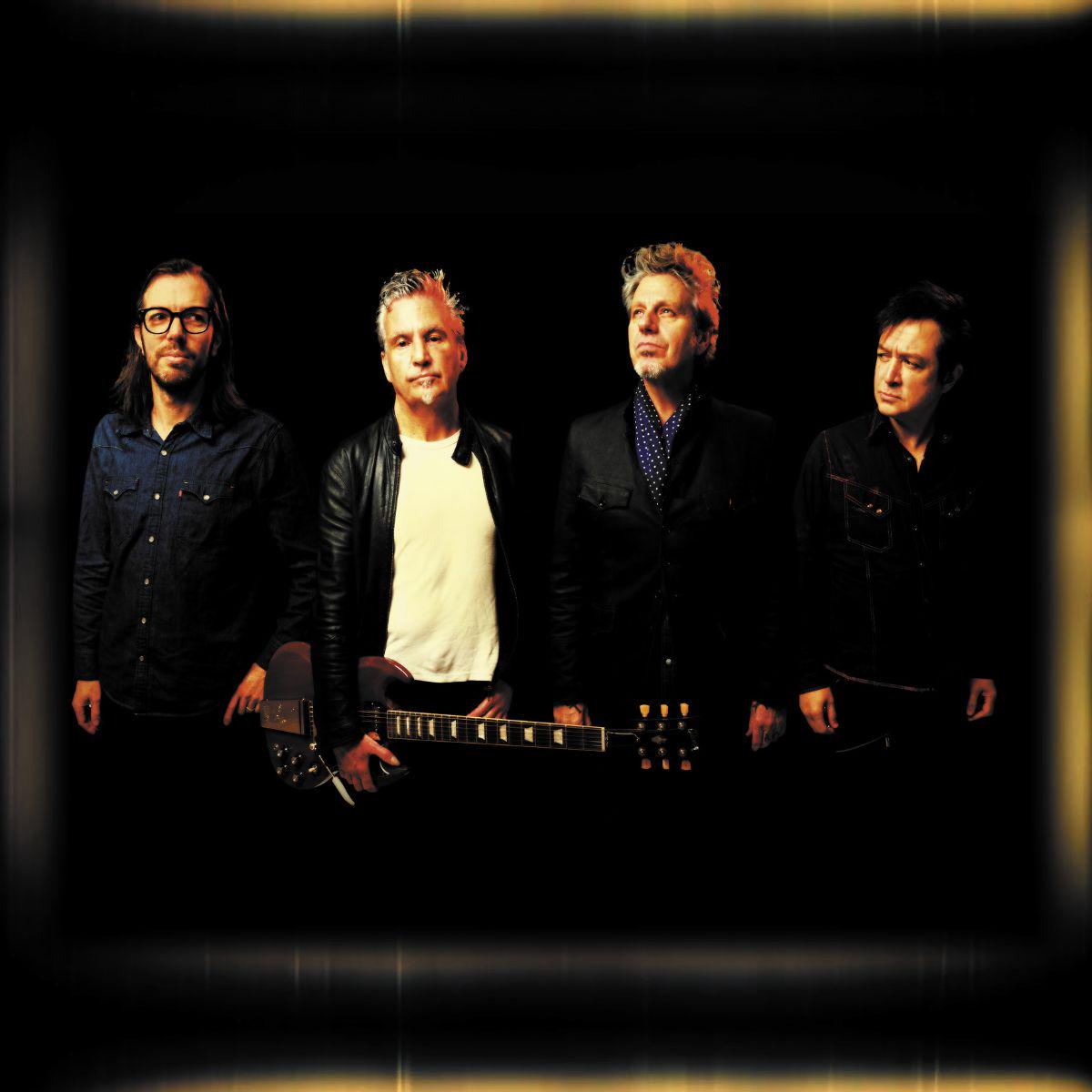
Jeremy Fetzer’s Spotify BioJeremy Fetzer, hailing from Canton, Ohio, is an East Nashville-based guitarist and instrumental music composer. Fetzer is co-founder and one-half of instrumental outfit Steelism whose 2014’s 615 To FAME and 2017’s ism received critical acclaim from NPR, Billboard, & Rolling Stone. Fetzer has performed on stages such as The Newport Folk Festival, Austin City Limits, and the Kennedy Center and Fetzer has worked in the studio with artists such as Brandon Flowers, Robyn Hitchcock, Nicole Atkins, Kesha, Dolly Parton, Lambchop, Andrew Combs, and Caitlin Rose.
In 2020 Fetzer formed the Fetzicon label-imprint with the first release instrumental single “Mendocino” featuring the late Rock & Roll Hall of Famer Duane Eddy (most famous for his 1958 Lee Hazelwood-produced hit “Rabble Rouser”). Fetzer has since released an EP and series of instrumental singles while writing and recording his debut full-length album An Evening at the Fetzicon Lounge co-produced with Jeremy Ferguson at his Battle Tapes… studio in East Nashville.
Viberate is a music analytics platform built for A&Rs, artist managers, labels, booking agents, marketers, and artists.
It helps music professionals track artist growth, analyze audience data, monitor playlist activity, compare artists, follow song performance, and identify opportunities across the music market.
Public artist pages provide a free preview of selected artist data. Paid plans provide access to deeper analytics, historical data, charts, comparisons, playlist tools, exports, alerts, reports, and additional professional features.
Yes. Public Viberate artist pages provide selected artist analytics and music data for free.
Viberate also offers a 7-day free trial of the full platform. A credit card is required to start the trial. The trial includes access to the complete product so users can test deeper artist analytics, historical views, playlist insights, comparisons, charts, exports, alerts, and reporting features before choosing a paid plan.
Viberate provides artist analytics across streaming, playlists, social media, video, radio airplay, songs, and audience markets.
Users can analyze Spotify performance, Spotify and Apple Music playlists, YouTube activity, TikTok and Instagram growth, radio spins, song performance, audience locations, demographics, rankings, and overall artist momentum.
Artist profiles also connect to music charts, similar artists, and comparison tools, helping users benchmark performance and evaluate artists in context.
Viberate updates key artist and track data daily.
For followed artists and tracks, selected data is refreshed multiple times per day. This helps teams monitor playlist changes, streaming movement, audience growth, releases, and campaign performance with more current data.
Update frequency can vary depending on the metric and data source.
Yes. Viberate lets users compare up to five artists side by side across streaming, social media, audience, and engagement metrics.
Users can compare fanbase growth, audience demographics, locations, Spotify performance, social metrics, and other artist data over selected time periods.
Artist comparison can be used for A&R scouting, benchmarking, booking decisions, campaign planning, and evaluating artists with similar audiences or market positions.