Jennifer Rush

Pop
Mainstream Pop
Indie Pop
 Viberate Rank: 11437
 Viberate Rank: 11437
 Monthly ListenersFollowers
 Subscribers
 Followers
 Followers
 FansTop Spotify Songs
| Track | 7-Day Streams | |
|---|---|---|
1 | 240.61K | |
2 | 72.74K | |
3 | 52.35K | |
4 | 37.79K | |
5 | 33.56K |
Top YouTube Videos| Video | 7-Day Views | |
|---|---|---|
1 | 220.53K | |
2 | 56.28K | |
3 | 30.39K | |
4 | 30.04K | |
5 | 28.73K |
Monthly ListenersFeatured in Playlists| Playlist | Followers | |
|---|---|---|
1 |  80s Love Songs Spotify | 2.62M |
2 |  Easy 80s Spotify | 1.51M |
3 |  MÚSICA DE LOS 80 y 90 🎧 Clásicos de los 80 + Música de los 90 (Música en inglés) Soy William | 391.94K |
4 |  SLAP! Spotify | 339.27K |
5 |  Power Ballads Spotify | 308.96K |
Audience| City | Monthly Listeners | |
|---|---|---|
1 |  | 41.68K |
2 | | 28.02K |
3 | | 25.21K |
4 | | 24.36K |
5 | | 19.41K |
See full performance history, audience data, playlist activity, rankings, comparisons, and more in Viberate music analytics. Start with a free trial, then continue with a paid plan.
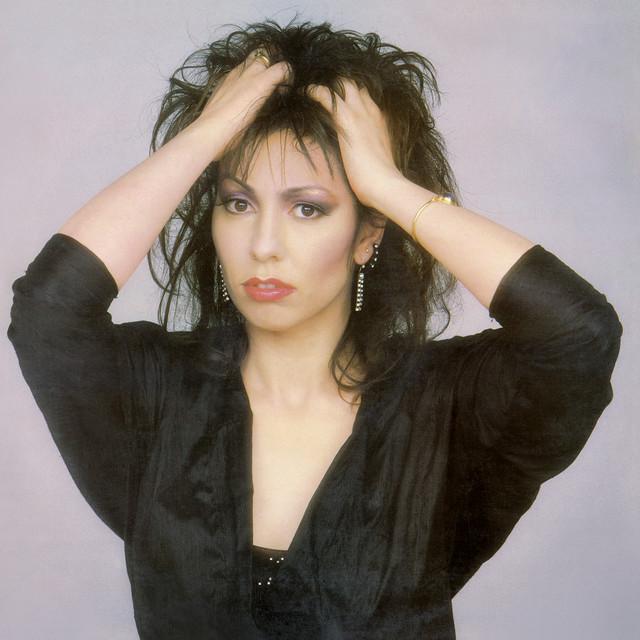
Jennifer Rush’s Spotify BioWhile virtually unknown in the U.S., pop singer Jennifer Rush achieved superstar status as an expatriate in Europe, selling millions of records and releasing a string of hit singles notable for their booming, dance-rock arrangements and Rush's powerful voice. Born Heidi Stern in New York City, Rush's father was an opera singer and her mother was a pianist. At the age of nine, she moved to Germany with her family, returning in her teens to the States. In 1982, she returned to Germany with her father to pursue a singing career, signing a deal with CBS/Columbia. Changing her name to Jennifer Rush, she released a series of songs that made her a star in Europe, including "Into My Dreams," "Come Give Me Your Hand," "25 Lovers," and "Ring of Ice." In 1985, Rush scored a massive European hit with "The Power of Love," which became one of the longest-running chart-toppers in U.K. history. The song, which she also co-wrote, was packaged with several of her other European hits for her U.S. debut… Jennifer Rush. Released as a single, "The Power of Love" failed to duplicate its success upon its stateside release, only reaching number 57. Instead, versions of the song by Laura Branigan and Celine Dion hit the American Top 40 (the latter hitting number one for a month in 1994). It wasn't until her third U.S. release, Heart Over Mind, that Rush reached the Top 40 as an artist with her duet with Elton John, "Flames of Paradise," reaching number 37 in 1987. She continued to retain a large European following throughout the rest of the '80s and '90s, collaborating with writers such as Desmond Child and Diane Warren and performing with high-profile acts like Michael Bolton and Placido Domingo. Despite selling millions of albums abroad, most of her albums have not been released in the U.S. ~ Tom Demalon, Rovi
Viberate is a music analytics platform built for A&Rs, artist managers, labels, booking agents, marketers, and artists.
It helps music professionals track artist growth, analyze audience data, monitor playlist activity, compare artists, follow song performance, and identify opportunities across the music market.
Public artist pages provide a free preview of selected artist data. Paid plans provide access to deeper analytics, historical data, charts, comparisons, playlist tools, exports, alerts, reports, and additional professional features.
Yes. Public Viberate artist pages provide selected artist analytics and music data for free.
Viberate also offers a 7-day free trial of the full platform. A credit card is required to start the trial. The trial includes access to the complete product so users can test deeper artist analytics, historical views, playlist insights, comparisons, charts, exports, alerts, and reporting features before choosing a paid plan.
Viberate provides artist analytics across streaming, playlists, social media, video, radio airplay, songs, and audience markets.
Users can analyze Spotify performance, Spotify and Apple Music playlists, YouTube activity, TikTok and Instagram growth, radio spins, song performance, audience locations, demographics, rankings, and overall artist momentum.
Artist profiles also connect to music charts, similar artists, and comparison tools, helping users benchmark performance and evaluate artists in context.
Viberate updates key artist and track data daily.
For followed artists and tracks, selected data is refreshed multiple times per day. This helps teams monitor playlist changes, streaming movement, audience growth, releases, and campaign performance with more current data.
Update frequency can vary depending on the metric and data source.
Yes. Viberate lets users compare up to five artists side by side across streaming, social media, audience, and engagement metrics.
Users can compare fanbase growth, audience demographics, locations, Spotify performance, social metrics, and other artist data over selected time periods.
Artist comparison can be used for A&R scouting, benchmarking, booking decisions, campaign planning, and evaluating artists with similar audiences or market positions.