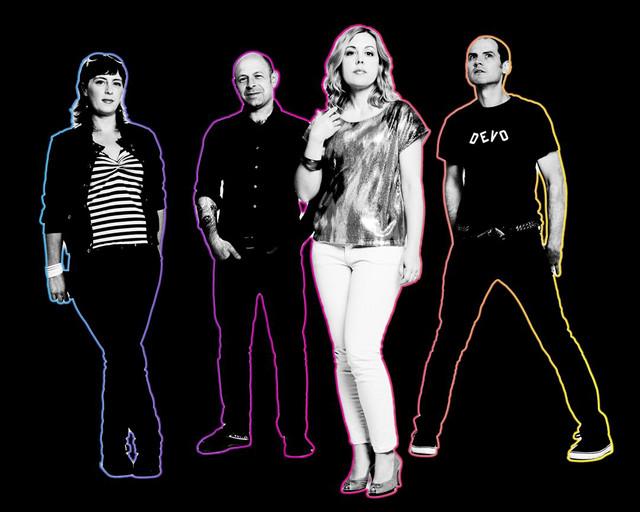
Jemina Pearl

Rock
Alternative Rock
Punk Rock
 Viberate Rank: 568647
 Viberate Rank: 568647
 Monthly ListenersFollowers
 Subscribers
 Followers
 Followers
 FansTop Spotify Songs
| Track | 7-Day Streams | |
|---|---|---|
1 | 102 | |
2 | 18 | |
3 | 14 | |
4 | 7 | |
5 | 6 |
Top YouTube Videos| Video | 7-Day Views | |
|---|---|---|
1 | 71 |
Monthly ListenersFeatured in Playlists| Playlist | Followers | |
|---|---|---|
1 |  songs for committing arson with your titties out Aria Hurtado | 5.40K |
2 |  IGGY POP 🟢 The Confidential Show. 🟢@ bbc6music Roadrunner Music | 5.21K |
Audience| City | Monthly Listeners | |
|---|---|---|
1 | | 9 |
2 |  | 7 |
3 | | 7 |
4 | | 6 |
5 | | 6 |
See full performance history, audience data, playlist activity, rankings, comparisons, and more in Viberate music analytics. Start with a free trial, then continue with a paid plan.
Jemina Pearl’s Spotify BioAfter the demise of Nashville punks Be Your Own Pet in summer 2008, singer Jemina Pearl continued to collaborate with drummer John Eatherly. With Eatherly on guitar, they began writing songs that combined their former band's snarl and spastic energy with pop and new wave influences. Sonic Youth's Thurston Moore, who also runs Be Your Own Pet's label, Ecstatic Peace!, introduced the pair to producer John Agnello, and the pair began working with him on a batch of songs that recalled "Becky," the '60s "girl group gone wrong" track that was cut from Be Your Own Pet's final album, Get Awkward, for its violent lyrics. The pair moved to Brooklyn and recruited guitarist Max Peebles (formerly of Be Your Own Pet spinoff band Turbo Fruits), bassist Ben Pearson, and drummer Erik Ratensperger. The band played its first show in January 2009, opening for the Fluid; that March, Eatherly and Pearl entered the studio with Agnello, recording the bulk of Pearl's solo album over the next two months. That… summer, the single "I Hate People," which featured Iggy Pop, appeared on the Internet. Thurston Moore and TV on the Radio's David Sitek also appeared on the album, Break It Up, which arrived in fall 2009. ~ Heather Phares, Rovi
Viberate is a music analytics platform built for A&Rs, artist managers, labels, booking agents, marketers, and artists.
It helps music professionals track artist growth, analyze audience data, monitor playlist activity, compare artists, follow song performance, and identify opportunities across the music market.
Public artist pages provide a free preview of selected artist data. Paid plans provide access to deeper analytics, historical data, charts, comparisons, playlist tools, exports, alerts, reports, and additional professional features.
Yes. Public Viberate artist pages provide selected artist analytics and music data for free.
Viberate also offers a 7-day free trial of the full platform. A credit card is required to start the trial. The trial includes access to the complete product so users can test deeper artist analytics, historical views, playlist insights, comparisons, charts, exports, alerts, and reporting features before choosing a paid plan.
Viberate provides artist analytics across streaming, playlists, social media, video, radio airplay, songs, and audience markets.
Users can analyze Spotify performance, Spotify and Apple Music playlists, YouTube activity, TikTok and Instagram growth, radio spins, song performance, audience locations, demographics, rankings, and overall artist momentum.
Artist profiles also connect to music charts, similar artists, and comparison tools, helping users benchmark performance and evaluate artists in context.
Viberate updates key artist and track data daily.
For followed artists and tracks, selected data is refreshed multiple times per day. This helps teams monitor playlist changes, streaming movement, audience growth, releases, and campaign performance with more current data.
Update frequency can vary depending on the metric and data source.
Yes. Viberate lets users compare up to five artists side by side across streaming, social media, audience, and engagement metrics.
Users can compare fanbase growth, audience demographics, locations, Spotify performance, social metrics, and other artist data over selected time periods.
Artist comparison can be used for A&R scouting, benchmarking, booking decisions, campaign planning, and evaluating artists with similar audiences or market positions.