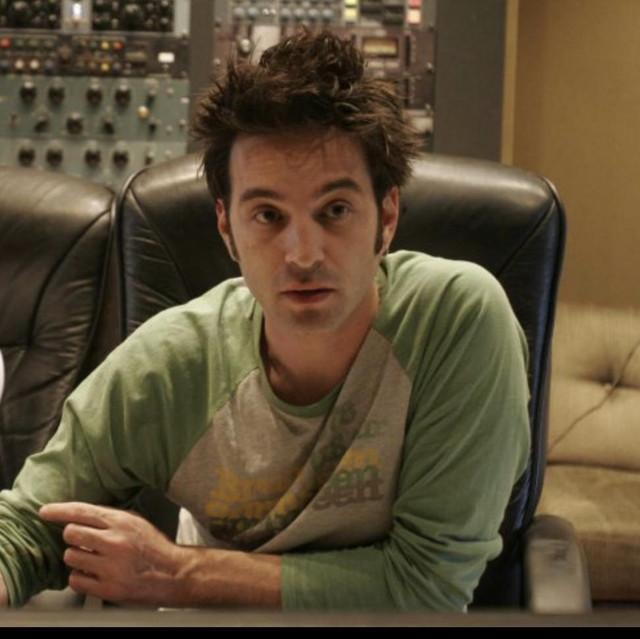
Jeff Russo

Rock
Alternative Rock
 Viberate Rank: 76767
 Viberate Rank: 76767
 Monthly ListenersFollowers
 Subscribers
 Followers
 Followers
 FansTop Spotify Songs
| Track | 7-Day Streams | |
|---|---|---|
1 | 7.46K | |
2 | 6.84K | |
3 | 5.63K | |
4 | 4.61K | |
5 | 3.97K |
Top YouTube Videos| Video | 7-Day Views | |
|---|---|---|
1 | 737 | |
2 | 359 | |
3 | 75 | |
4 | 41 | |
5 | 35 |
Monthly ListenersFeatured in Playlists| Playlist | Followers | |
|---|---|---|
1 |  Atmospheric Sci-fi Soundtracks Spotify | 760.61K |
2 |  New Soundtracks Spotify | 335.07K |
3 |  Soundtrack for Study Filtr Canada | 300.89K |
4 |  The End of the Fucking World Soundtrack POPSUGAR Entertainment | 217.41K |
5 | Best Soundtracks of All Time Suntzu | 173.03K |
Audience| City | Monthly Listeners | |
|---|---|---|
1 |  | 3.43K |
2 |  | 2.25K |
3 |  | 1.82K |
4 |  | 1.79K |
5 |  | 1.78K |
See full performance history, audience data, playlist activity, rankings, comparisons, and more in Viberate music analytics. Start with a free trial, then continue with a paid plan.
Jeff Russo’s Spotify BioGuitarist Jeff Russo is an award-winning film and TV composer, also known for his work as a founding member of the band Tonic. Russo emerged to chart success, nabbing a mainstream rock hit with "If You Could Only See" off Tonic's 1996 debut, Lemon Parade. The group also picked up two Grammy nominations for 2002's Head on Straight. Russo expanded into soundtrack work, scoring film and television productions, including winning an Emmy for his work on FX's acclaimed drama Fargo. He has supplied the music to shows like Star Trek: Discovery, The Umbrella Academy, and Legion. He also scored director Noah Hawley's 2019 film Lucy in the Sky and the 2021 drama Oslo.
Born in 1969, Russo started playing guitar in his teens, inspired by his love of bands like the Beatles, Pink Floyd, and Led Zeppelin. In 1990, he formed the alt-rock outfit Tonic with his childhood friend singer/guitarist Emerson Hart. They broke through with 1996's Lemon Parade, which went platinum, buoyed by the hits "If You Could… Only See" and "Open Up Your Eyes." Sugar followed in 1999, spawning the hit "You Wanted More," which was also included on the American Pie soundtrack. With 2002's Head on Straight, Tonic received two Grammy nominations. The group's fifth album, the eponymously titled Tonic, arrived in 2010.
While continuing his work in Tonic, Russo began branching out, writing music for commercials and producing. In 2014, he gained wider recognition winning an Emmy for his score to FX's Golden Globe-winning series Fargo. He has remained a sought-after composer, scoring Starz's Counterpart, starring J.K. Simmons, Neftlix's sci-fi series Altered Carbon, and HBO's Golden Globe- and Emmy-nominated series The Night Of, starring John Turturro and Riz Ahmed. He also picked up a BAFTA nomination for Best Music for Annapurna Interactive's video game What Remains of Edith Finch.
In 2017, Russo scored the Marvel-based FX show Legion. In addition, he supplies the music for the Peabody Award-nominated Star Trek: Discovery and Netflix's The Umbrella Academy, based on the Gerard Way comic book series. Russo has also scored for film, including Mark Wahlberg's 2018 action-thriller Mile 22 and the 2018 Lizzie Borden biographical thriller Lizzie, starring Chloe Sevigny and Kristen Stewart. In 2019, he scored director Noah Hawley's film Lucy in the Sky, starring Natalie Portman. Russo also supplied the soundtrack to the 2021 TV movie Oslo, based on the negotiations surrounding the 1993 Oslo Accords. ~ Matt Collar, Rovi
Viberate is a music analytics platform built for A&Rs, artist managers, labels, booking agents, marketers, and artists.
It helps music professionals track artist growth, analyze audience data, monitor playlist activity, compare artists, follow song performance, and identify opportunities across the music market.
Public artist pages provide a free preview of selected artist data. Paid plans provide access to deeper analytics, historical data, charts, comparisons, playlist tools, exports, alerts, reports, and additional professional features.
Yes. Public Viberate artist pages provide selected artist analytics and music data for free.
Viberate also offers a 7-day free trial of the full platform. A credit card is required to start the trial. The trial includes access to the complete product so users can test deeper artist analytics, historical views, playlist insights, comparisons, charts, exports, alerts, and reporting features before choosing a paid plan.
Viberate provides artist analytics across streaming, playlists, social media, video, radio airplay, songs, and audience markets.
Users can analyze Spotify performance, Spotify and Apple Music playlists, YouTube activity, TikTok and Instagram growth, radio spins, song performance, audience locations, demographics, rankings, and overall artist momentum.
Artist profiles also connect to music charts, similar artists, and comparison tools, helping users benchmark performance and evaluate artists in context.
Viberate updates key artist and track data daily.
For followed artists and tracks, selected data is refreshed multiple times per day. This helps teams monitor playlist changes, streaming movement, audience growth, releases, and campaign performance with more current data.
Update frequency can vary depending on the metric and data source.
Yes. Viberate lets users compare up to five artists side by side across streaming, social media, audience, and engagement metrics.
Users can compare fanbase growth, audience demographics, locations, Spotify performance, social metrics, and other artist data over selected time periods.
Artist comparison can be used for A&R scouting, benchmarking, booking decisions, campaign planning, and evaluating artists with similar audiences or market positions.