
Jeff Ruby

Rock
Folk Rock
Pop Rock
Alternative Rock
 Viberate Rank: 805394
 Viberate Rank: 805394
 Monthly ListenersFollowers
 Subscribers
 Followers
 Followers
 FansTop Spotify Songs
| Track | 7-Day Streams | |
|---|---|---|
1 | 810 | |
2 | 33 |
Top YouTube VideosMonthly ListenersFeatured in Playlists| Playlist | Followers | |
|---|---|---|
1 | 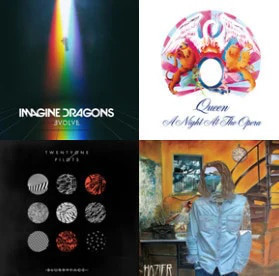 Best Rock songs of All Time IndieMassive Hits | 305.43K |
2 |  MTV 2000s Rock Greatest Hits 🎸📺 tvwave | 275.78K |
3 |  RUN ROCK 2026 | RUNNING MUSIC 🏃🔥 Gym Rock | 206.20K |
4 | 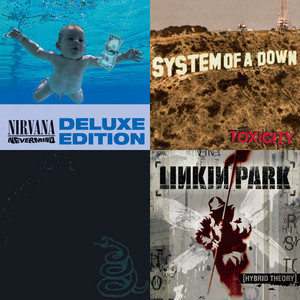 Rock/Metal 🤘🎸Classic Rock and Metal 🎸 Metal Music 2026 Chester | 177.99K |
5 |  GTA Vice City Radio 📻 📖 | 89.83K |
Audience| City | Monthly Listeners | |
|---|---|---|
1 |  | 108 |
2 |  | 75 |
3 |  | 61 |
4 |  | 52 |
5 |  | 27 |
See full performance history, audience data, playlist activity, rankings, comparisons, and more in Viberate music analytics. Start with a free trial, then continue with a paid plan.
Jeff Ruby’s Spotify BioJeff Ruby’s songs are inspired by a lifetime’s worth of observation and experience. As a solo artist, the Indiana born troubadour tells stories of hard-living, societal issues, and perseverance. Over the course of four full length albums, he has revealed himself to be a songwriter with rare authenticity and grace.
Jeff grew up on a farm in rural Indiana. He discovered a natural love of performance through his high school theater program. In addition to musical theater, he was particularly drawn to moody Seattle grunge bands and anthemic Brit-pop acts, both of which would become key influences on his style. As a teenager, Jeff began teaching himself to play guitar.
After high school, Jeff drifted away from the guitar and began pursuing a Business Degree from Indiana University. Fueled by an early run of success in the stock market, he began drinking recklessly and music gave way to the finance world. After a few years, the lifestyle left him entirely burnt out.
In 2004, Jeff… relocated to Orange Beach, Alabama where he quit drinking and began writing songs. He became a regular performer at a local bar, where he cut his teeth and developed the confidence to pursue music full time.
Armed with little more than a guitar and a handful of songs, Jeff moved to Nashville. He has maintained a prolific run of performances and albums. Jeff’s commitment to his craft has put him in position to be a mainstay in modern music for years to come.
Viberate is a music analytics platform built for A&Rs, artist managers, labels, booking agents, marketers, and artists.
It helps music professionals track artist growth, analyze audience data, monitor playlist activity, compare artists, follow song performance, and identify opportunities across the music market.
Public artist pages provide a free preview of selected artist data. Paid plans provide access to deeper analytics, historical data, charts, comparisons, playlist tools, exports, alerts, reports, and additional professional features.
Yes. Public Viberate artist pages provide selected artist analytics and music data for free.
Viberate also offers a 7-day free trial of the full platform. A credit card is required to start the trial. The trial includes access to the complete product so users can test deeper artist analytics, historical views, playlist insights, comparisons, charts, exports, alerts, and reporting features before choosing a paid plan.
Viberate provides artist analytics across streaming, playlists, social media, video, radio airplay, songs, and audience markets.
Users can analyze Spotify performance, Spotify and Apple Music playlists, YouTube activity, TikTok and Instagram growth, radio spins, song performance, audience locations, demographics, rankings, and overall artist momentum.
Artist profiles also connect to music charts, similar artists, and comparison tools, helping users benchmark performance and evaluate artists in context.
Viberate updates key artist and track data daily.
For followed artists and tracks, selected data is refreshed multiple times per day. This helps teams monitor playlist changes, streaming movement, audience growth, releases, and campaign performance with more current data.
Update frequency can vary depending on the metric and data source.
Yes. Viberate lets users compare up to five artists side by side across streaming, social media, audience, and engagement metrics.
Users can compare fanbase growth, audience demographics, locations, Spotify performance, social metrics, and other artist data over selected time periods.
Artist comparison can be used for A&R scouting, benchmarking, booking decisions, campaign planning, and evaluating artists with similar audiences or market positions.