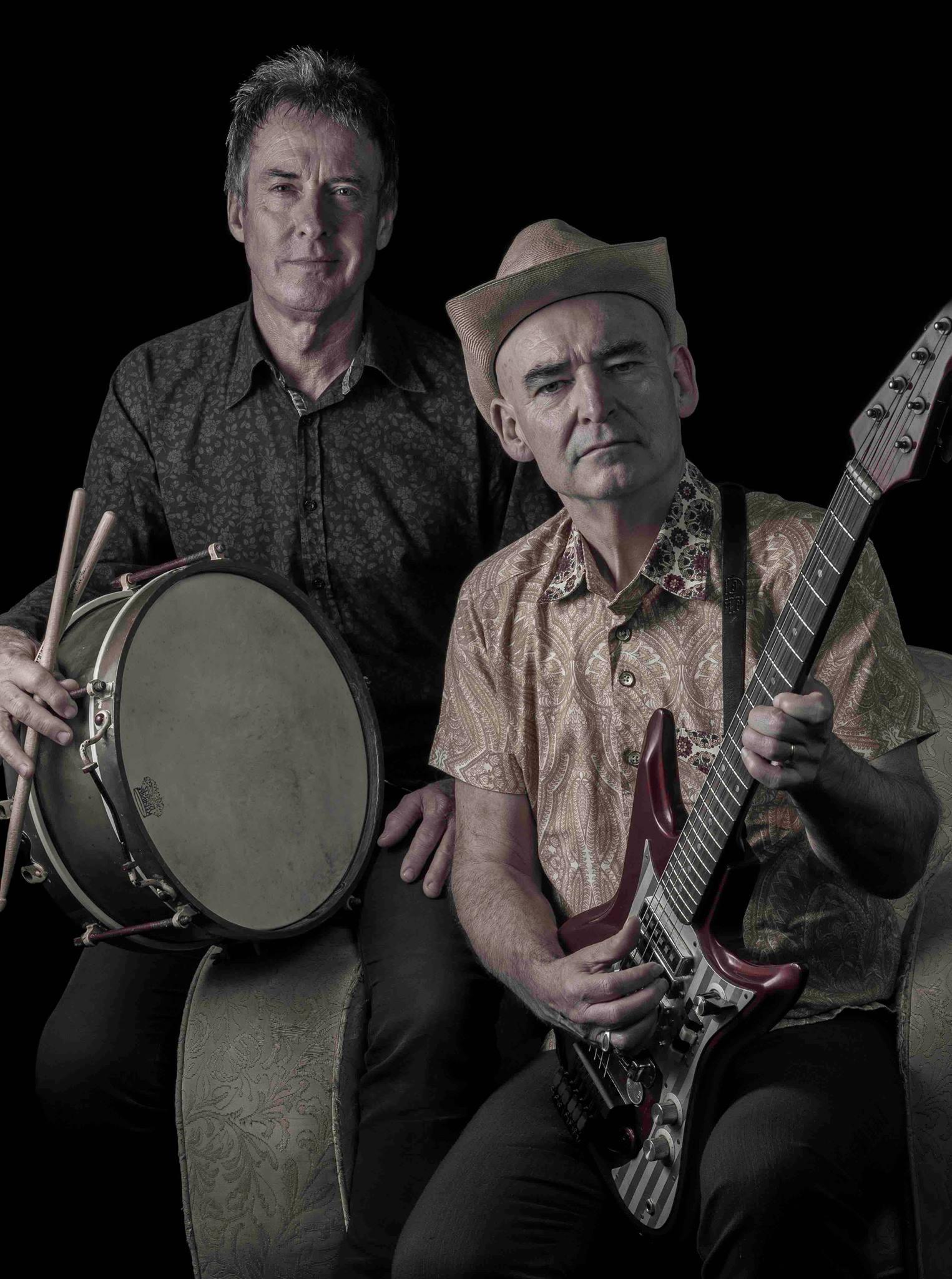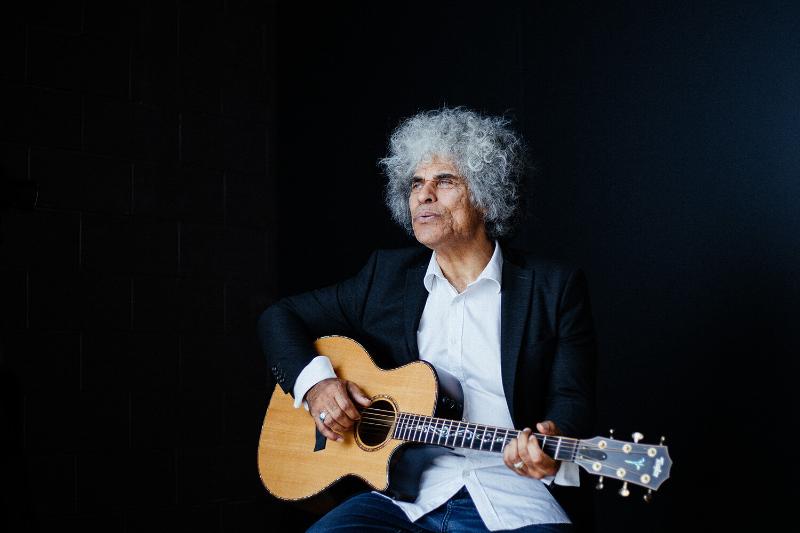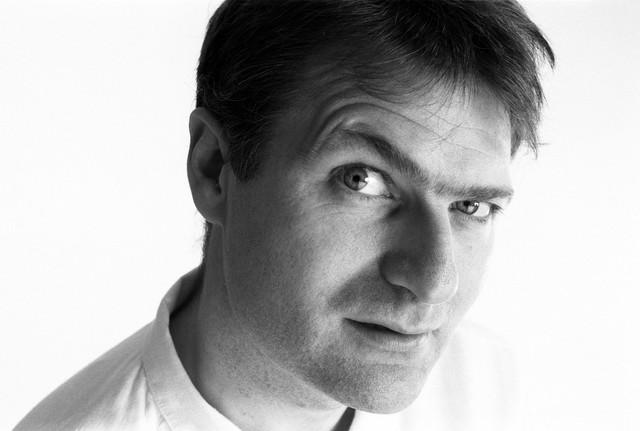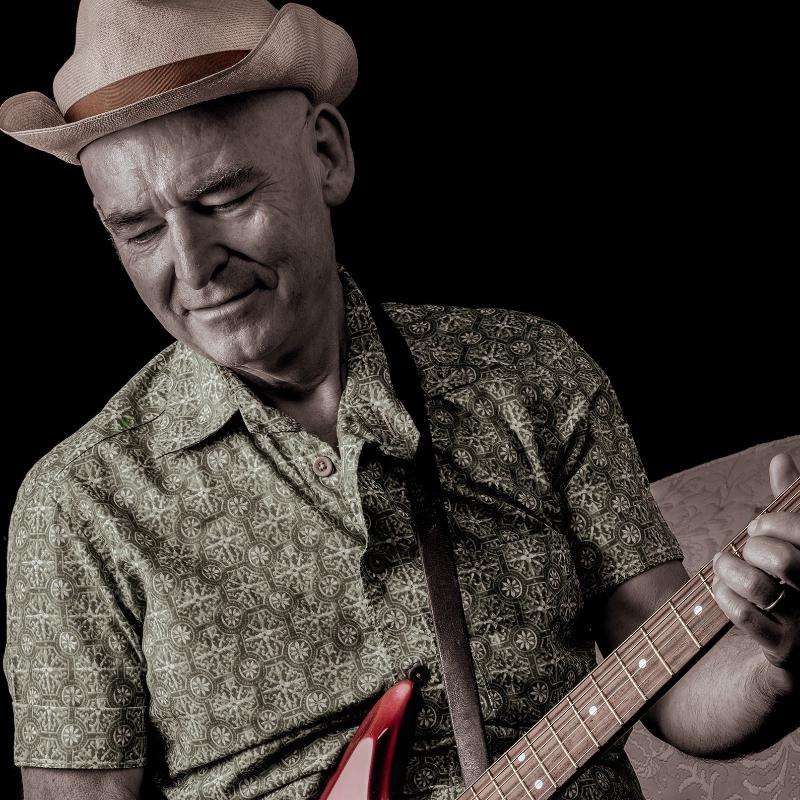
Jeff Lang

Country
Bluegrass
Contemporary Blues
 Viberate Rank: 269389
 Viberate Rank: 269389
 Monthly ListenersFollowers
 Subscribers
 Followers
 Followers
 FansTop Spotify Songs
| Track | 7-Day Streams | |
|---|---|---|
1 | 322 | |
2 | 277 | |
3 | 209 | |
4 | 149 | |
5 | 138 |
Top YouTube VideosMonthly ListenersFeatured in Playlists| Playlist | Followers | |
|---|---|---|
1 |  Shivelight | World Fusion, Ethnic, Folktronica, Psydub, Tribal, Global Bass, Organic House Outtallectuals | Shivelight | 14.16K |
2 |  WWOZ 90.7 FM (New Orleans Radio) Bryson Whitney | 6.48K |
3 | Music for Writing Hans-Peter Akkerman | 5.84K |
4 |  Bob Dylan Covers manacc | 5.02K |
5 | 90/180 BPM Running All Genres 12721221 | 3.45K |
Audience| City | Monthly Listeners | |
|---|---|---|
1 | | 498 |
2 | | 445 |
3 | | 380 |
4 | | 240 |
5 | | 97 |
See full performance history, audience data, playlist activity, rankings, comparisons, and more in Viberate music analytics. Start with a free trial, then continue with a paid plan.
Jeff Lang’s Spotify BioAustralian singer/songwriter Jeff Lang became interested in music at age eight, when he started playing the clarinet. As a teen, he switched to guitar and began performing as a blues guitarist at 17, supporting artists like Albert Collins, Rory Gallagher, and Trudy Lynn. His musical vocabulary expanded to include traditional Celtic and folk elements as he began recording his own material in 1990. Along with gigs in local blues bands, Lang formed the Jeff Lang Band as a showcase for his songwriting skills. Though the band broke up in 1993, by the following year he released his debut album, Ravenswood. In in 1995, Disturbed Folk captured Lang in a live setting, and 1996's Native Dog Creek was named Best Australian Blues Album in a Rhythms Magazine readers poll. 1998 saw the release of Cedar Grove, which came out in the U.S. the following year. In 2005 Lang issued You Have to Dig Deep to Bury Daddy, followed the next year by Prepare Me Well. ~ Heather Phares, Rovi
Viberate is a music analytics platform built for A&Rs, artist managers, labels, booking agents, marketers, and artists.
It helps music professionals track artist growth, analyze audience data, monitor playlist activity, compare artists, follow song performance, and identify opportunities across the music market.
Public artist pages provide a free preview of selected artist data. Paid plans provide access to deeper analytics, historical data, charts, comparisons, playlist tools, exports, alerts, reports, and additional professional features.
Yes. Public Viberate artist pages provide selected artist analytics and music data for free.
Viberate also offers a 7-day free trial of the full platform. A credit card is required to start the trial. The trial includes access to the complete product so users can test deeper artist analytics, historical views, playlist insights, comparisons, charts, exports, alerts, and reporting features before choosing a paid plan.
Viberate provides artist analytics across streaming, playlists, social media, video, radio airplay, songs, and audience markets.
Users can analyze Spotify performance, Spotify and Apple Music playlists, YouTube activity, TikTok and Instagram growth, radio spins, song performance, audience locations, demographics, rankings, and overall artist momentum.
Artist profiles also connect to music charts, similar artists, and comparison tools, helping users benchmark performance and evaluate artists in context.
Viberate updates key artist and track data daily.
For followed artists and tracks, selected data is refreshed multiple times per day. This helps teams monitor playlist changes, streaming movement, audience growth, releases, and campaign performance with more current data.
Update frequency can vary depending on the metric and data source.
Yes. Viberate lets users compare up to five artists side by side across streaming, social media, audience, and engagement metrics.
Users can compare fanbase growth, audience demographics, locations, Spotify performance, social metrics, and other artist data over selected time periods.
Artist comparison can be used for A&R scouting, benchmarking, booking decisions, campaign planning, and evaluating artists with similar audiences or market positions.