
Jeff Harnar

Pop
Mainstream Pop
 Viberate Rank: 939498
 Viberate Rank: 939498
 Monthly ListenersFollowers
 Subscribers
 Followers
 Followers
 FansTop Spotify Songs
| Track | 7-Day Streams | |
|---|---|---|
1 | 9 | |
2 | 6 | |
3 | 4 | |
4 | 4 | |
5 | 2 |
Top YouTube VideosMonthly ListenersFeatured in Playlists| Playlist | Followers | |
|---|---|---|
1 | 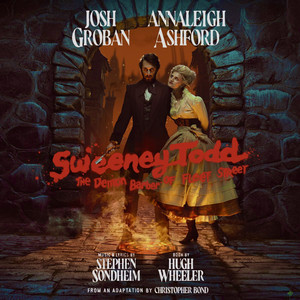 Sweeney Todd BROADWAY REVIVAL 2023 Josh Groban Annaleigh Ashford brandtabulous | 6.91K |
2 |  INTO THE WOODS musical brandtabulous | 1.21K |
Audience| City | Monthly Listeners | |
|---|---|---|
1 | | 13 |
2 |  | 5 |
3 |  | 5 |
4 |  | 3 |
5 | | 3 |
See full performance history, audience data, playlist activity, rankings, comparisons, and more in Viberate music analytics. Start with a free trial, then continue with a paid plan.
Jeff Harnar’s Spotify BioNightclub singer Jeff Harnar emerged in the 1990s as what The New York Times called "the most important new male cabaret performer since Michael Feinstein." A two-time winner of the Manhattan Association of Cabaret (MAC) Award as Best Male Vocalist, he also won the Backstage Bistro Award three times. In New York, he appeared in such prestigious clubs as the Algongquin, the Café Carlyle, and Rainbow & Stars, and he also performed around the U.S. and in Europe. He starred in the PBS-TV specials The 1959 Broadway Songbook and Remember: Songs of the Holidays.
Harnar's recordings have, for the most part, been audio representations of the successive nightclub acts he has put together. His first album, The 1959 Broadway Songbook, was recorded in 1991 and released in 1995 by Original Cast Records. Because of You: Fifties Gold was issued by Varèse Sarabande Records in 1997 (and reissued by Original Cast in 2002). His third album documented his tribute show to lyricist Sammy Cahn, Sammy Cahn: All… the Way; Jerome Records released it in 2001. In 2005, PS Classics released Dancing in the Dark, a collection of standards from the Great American Songbook on which Harner was accompanied by a small orchestra. ~ William Ruhlmann, Rovi
Viberate is a music analytics platform built for A&Rs, artist managers, labels, booking agents, marketers, and artists.
It helps music professionals track artist growth, analyze audience data, monitor playlist activity, compare artists, follow song performance, and identify opportunities across the music market.
Public artist pages provide a free preview of selected artist data. Paid plans provide access to deeper analytics, historical data, charts, comparisons, playlist tools, exports, alerts, reports, and additional professional features.
Yes. Public Viberate artist pages provide selected artist analytics and music data for free.
Viberate also offers a 7-day free trial of the full platform. A credit card is required to start the trial. The trial includes access to the complete product so users can test deeper artist analytics, historical views, playlist insights, comparisons, charts, exports, alerts, and reporting features before choosing a paid plan.
Viberate provides artist analytics across streaming, playlists, social media, video, radio airplay, songs, and audience markets.
Users can analyze Spotify performance, Spotify and Apple Music playlists, YouTube activity, TikTok and Instagram growth, radio spins, song performance, audience locations, demographics, rankings, and overall artist momentum.
Artist profiles also connect to music charts, similar artists, and comparison tools, helping users benchmark performance and evaluate artists in context.
Viberate updates key artist and track data daily.
For followed artists and tracks, selected data is refreshed multiple times per day. This helps teams monitor playlist changes, streaming movement, audience growth, releases, and campaign performance with more current data.
Update frequency can vary depending on the metric and data source.
Yes. Viberate lets users compare up to five artists side by side across streaming, social media, audience, and engagement metrics.
Users can compare fanbase growth, audience demographics, locations, Spotify performance, social metrics, and other artist data over selected time periods.
Artist comparison can be used for A&R scouting, benchmarking, booking decisions, campaign planning, and evaluating artists with similar audiences or market positions.