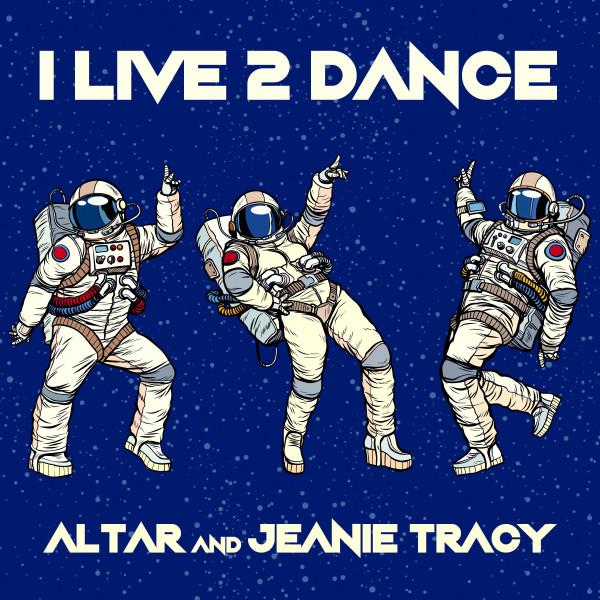
Jeanie Tracy

R&B
Soul
Tribal House
Other Electronic Music
 Viberate Rank: 211413
 Viberate Rank: 211413
 Monthly ListenersFollowers
 Subscribers
 Followers
 Followers
 FansTop Spotify Songs
| Track | 7-Day Streams | |
|---|---|---|
1 | 3.15K | |
2 | 3.11K | |
3 | 3.03K | |
4 | 2.51K | |
5 | 2.35K |
Top YouTube VideosMonthly ListenersFeatured in Playlists| Playlist | Followers | |
|---|---|---|
1 |  IBIZA CLASSICS 🍹1990-2026 Lounge & Restaurant | 220.31K |
2 |  Caribou - The Longest Mixtape: 1000+ Songs For You Caribou | 53.23K |
3 | 90s Dance Anthems Mark Jason | 47.94K |
4 |  🪐Floating Points Turntable🪐 Floating Points | 35.37K |
5 |  NIKKI BEACH 2026 Beach Playlist, Chilled House, Vocal House, Melodic House, Hed Kandi Simon Field | 34.13K |
Audience| City | Monthly Listeners | |
|---|---|---|
1 |  | 4.97K |
2 | | 1.28K |
3 | | 897 |
4 | | 830 |
5 | | 718 |
See full performance history, audience data, playlist activity, rankings, comparisons, and more in Viberate music analytics. Start with a free trial, then continue with a paid plan.
Jeanie Tracy’s Spotify BioHouston vocalist Jeanie Tracy began singing in the church choir in Fresno, where she grew up. Tracy also took opera and studied piano. She produced her own debut single on the Brown Door label "Making New Friends" before she moved to San Francisco. She played the lead in Oscar Brown Jr.'s Slave Driver in 1970, and then was spotted by Harvey Fuqua in 1976. Tracy was a songwriter and producer for the gospel group Voices of Harmony and also had a solo deal with Fuqua's Milk and Honey label. Her vocals were heard on the soundtrack for Francis Ford Coppola's Apocalypse Now, and she then began singing background vocals for Sylvester. They recorded a duet, "Here Is My Love," in 1981, and Tracy's own Fantasy session Me And You was issued in 1982. She sang lead on Freddie Hubbard's "Splash" that same year, and did background vocals on releases by Jeffrey Osborne, Narada Michael Walden, Peabo Bryson, Aretha Franklin/George Michael, Two Tons of Fun, the Skool Boyz, and Herbie Hancock. Tracy later… recorded on the Megatone label, doing dance-oriented material. Despite her undeniable power and range, she was unable to land a breakout hit until her first single for AM Records, 1999's "Can't Take My Eyes Off of You," hit the Top 20 dance charts. ~ Ron Wynn, Rovi
Viberate is a music analytics platform built for A&Rs, artist managers, labels, booking agents, marketers, and artists.
It helps music professionals track artist growth, analyze audience data, monitor playlist activity, compare artists, follow song performance, and identify opportunities across the music market.
Public artist pages provide a free preview of selected artist data. Paid plans provide access to deeper analytics, historical data, charts, comparisons, playlist tools, exports, alerts, reports, and additional professional features.
Yes. Public Viberate artist pages provide selected artist analytics and music data for free.
Viberate also offers a 7-day free trial of the full platform. A credit card is required to start the trial. The trial includes access to the complete product so users can test deeper artist analytics, historical views, playlist insights, comparisons, charts, exports, alerts, and reporting features before choosing a paid plan.
Viberate provides artist analytics across streaming, playlists, social media, video, radio airplay, songs, and audience markets.
Users can analyze Spotify performance, Spotify and Apple Music playlists, YouTube activity, TikTok and Instagram growth, radio spins, song performance, audience locations, demographics, rankings, and overall artist momentum.
Artist profiles also connect to music charts, similar artists, and comparison tools, helping users benchmark performance and evaluate artists in context.
Viberate updates key artist and track data daily.
For followed artists and tracks, selected data is refreshed multiple times per day. This helps teams monitor playlist changes, streaming movement, audience growth, releases, and campaign performance with more current data.
Update frequency can vary depending on the metric and data source.
Yes. Viberate lets users compare up to five artists side by side across streaming, social media, audience, and engagement metrics.
Users can compare fanbase growth, audience demographics, locations, Spotify performance, social metrics, and other artist data over selected time periods.
Artist comparison can be used for A&R scouting, benchmarking, booking decisions, campaign planning, and evaluating artists with similar audiences or market positions.