 Viberate
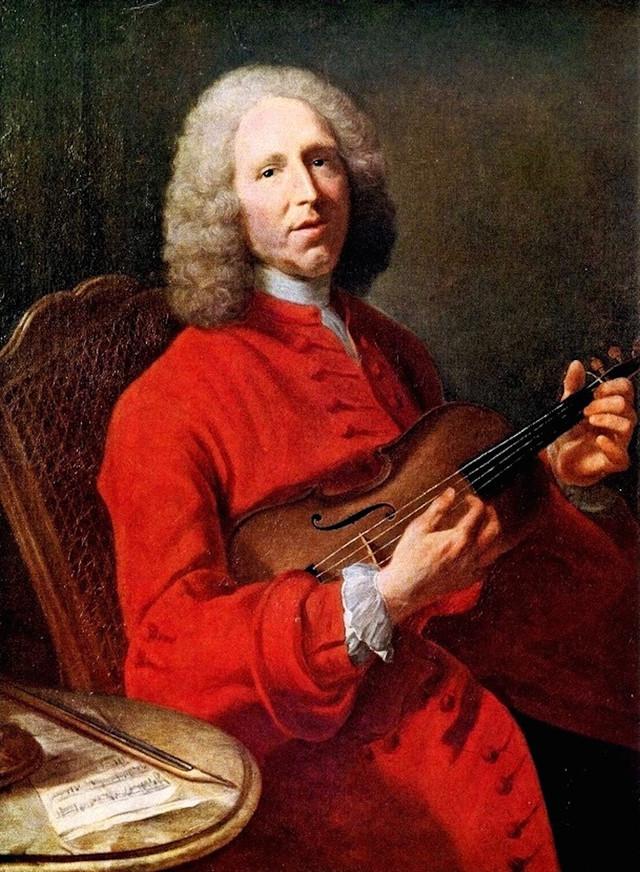
Jean-Philippe Rameau
 FRAClassical, Orchestral, Chamber Music
 FRAClassical, Orchestral, Chamber Music

Jean-Philippe Rameau was a notable French composer born in 1683. He made significant contributions to classical music, particularly in the orchestral genre. Rameau is best known for his operas and ballets, where he skillfully blended rich harmonies with vibrant melodies. His work laid the groundwork for the French opera tradition and influenced later composers. Rameau's music is characterized by its lively rhythms and innovative use of orchestration. He passed away in 1764, leaving behind a legacy that continues to inspire musicians and audiences alike.
Jean-Philippe Rameau's music continues to resonate with fans of classical and orchestral works. One standout piece, "Nouvelles suites de pièces de clavecin, Suite in A Minor, RCT 5: V. Fanfarinette," showcases a lively interplay of themes. The "Hymne a la nuit: La nuit, The Night" offers a more contemplative mood, reflecting Rameau's ability to evoke deep emotion through music.
Other notable tracks include "Suite in A Minor, RCT 5: I. Prélude," which sets the stage with its rhythmic patterns, and "Pieces de clavecin: Suite in E Minor: III. Gigue en rondeau I," known for its engaging tempo. Rameau's "Castor et Pollux, RCT 32 (1737 Version), Prologue: Ouverture" captures the grandeur of his operatic style, while "Tristes apprêts pâles flambeaux" highlights his skill in conveying drama. Additional tracks like "Premier Livre de Pièces de clavecin (Version 53): Gigue," "Pieces de clavecin: Suite in E Minor: IX. Tambourin," and "6 Concerts transcrits en sextuor, Sixième concert: I. La poule" round out a diverse repertoire that showcases his influence in the world of classical music.
Jean-Philippe Rameau's music continues to resonate with audiences through recent releases. The latest album, "John Eliot Gardiner Conducts French Baroque Music: Couperin, Rameau, Campra & Leclair," showcases a collection of works that reflect the elegance of the French Baroque period. This album features a range of compositions, including Rameau’s own pieces, highlighting the depth of his musical style.
In addition to the album, several singles have also emerged. Notable tracks include "Rameau: Castor et Pollux, RCT 32 (1737 Version), Prologue: Ouverture," which captures the essence of Rameau's operatic flair. The "Sarabande" from his "Premier Livre de Pièces de Clavecin" offers a glimpse into his keyboard artistry, while "Suite in E Minor, RCT 2: V. Le Rappel des oiseaux" brings forth a lively charm. The single "Les Boréades: Entrée de Polymnie" adds to the ongoing exploration of his operatic compositions. These releases provide an engaging experience for both new listeners and long-time fans of Rameau's work.
Jean-Philippe Rameau's music has been featured in several important performances and festivals. One notable venue is the Muziekgebouw aan 't IJ in Amsterdam, where his works have been presented in various concerts. The acoustics of this venue enhance the clarity of Rameau's intricate compositions, allowing audiences to appreciate his skill in orchestration.
In addition, Rameau's operas and orchestral pieces have been part of prominent festivals, including the Festival de Musique Baroque de Languedoc-Roussillon in France. Here, ensembles perform his music alongside other baroque composers, showcasing the diversity of the era. Other significant performances include concerts at the Royal Opera House in London and the Opéra National de Paris, where his influence on French music is highlighted.
These events contribute to the ongoing appreciation of Rameau's work, as musicians continue to explore his contributions to classical music.
Jean-Philippe Rameau's collaborations have brought unique interpretations to his work. One noteworthy piece is "Nouvelles suites de pièces de clavecin, Suite in A Minor, RCT 5: V. Fanfarinette," performed by Mahan Esfahani. This collaboration highlights the harpsichord's texture and Rameau's intricate compositions.
Another significant collaboration is found in "Castor et Pollux, RCT 32 (1737 Version), Prologue: Ouverture," featuring the Orfeo Orchestra under the direction of Gyorgy Vashegyi. Their rendition captures the drama inherent in Rameau's operatic style, showcasing the orchestral depth of his music.
In "Les Surprises de l'Amour, Act III Scene 5: Anacreon: Sarabande pour lycoris," Amel Brahim-Djelloul, Virginie Pochon, and Karine Deshayes contribute their vocal talents. This collaboration brings a fresh vocal interpretation to Rameau's work, emphasizing the emotional nuances in the piece.



