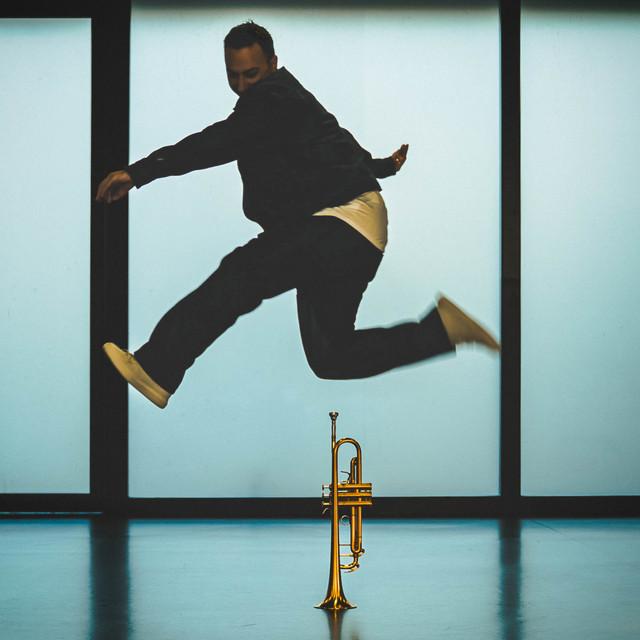
jazztek

Jazz
Nu Jazz
Lo-Fi
 Viberate Rank: 254096
 Viberate Rank: 254096
 Monthly ListenersFollowers
 Subscribers
 Followers
 Followers
 FansTop Spotify Songs
| Track | 7-Day Streams | |
|---|---|---|
1 | 629 | |
2 | 521 | |
3 | 434 | |
4 | 249 | |
5 | 247 |
Top YouTube Videos| Video | 7-Day Views | |
|---|---|---|
1 | 238 | |
2 | 53 | |
3 | 19 | |
4 | 9 | |
5 | 7 |
Monthly ListenersFeatured in Playlists| Playlist | Followers | |
|---|---|---|
1 |  This is jazztek (Hiroshi Yamaoka) jazztek | 25.80K |
2 | BEST OST DRAKOR ✨ Mutee | 20.32K |
3 |  Hotel Jazz: Lounge Jazz | Nu Jazz | Jazz House Bow-House | 4.84K |
4 |  東京漫步24時(11/21更新) 太空猴宇宙放送局 | 2.20K |
5 | Bossa Nova Solo Guitar jazztek | 1.18K |
Audience| City | Monthly Listeners | |
|---|---|---|
1 |  | 164 |
2 |  | 118 |
3 |  | 100 |
4 |  | 60 |
5 |  | 49 |
See full performance history, audience data, playlist activity, rankings, comparisons, and more in Viberate music analytics. Start with a free trial, then continue with a paid plan.
jazztek’s Spotify BioJazztek is the musical project of Hiroshi Yamaoka, a composer, producer, and guitarist/multi-instrumentalist who creatively blends jazz and technology in his music. Hiroshi also has a face as a business consultant and a dad.
Hiroshi has a background in jazz and classical composition, midi-programming, and studio production, having formally studied music at prestigious institutions. Born in Japan, studied in New York City, and now based in Dubai, Hiroshi draws inspiration from various genres such as electronica, world music, and jazz, creating a unique sound that transcends boundaries and categories.
Hiroshi uses live instruments such as archtop/stratcaster/classical guitars, fretless bass, keyboard, as well as software such as Digital Performer to produce music in his home studio. His music is innovative and exciting, incorporating the harmony, arrangement and melody of jazz with the rhythm and sound design of electronic music.
Hiroshi is influenced by jazz/classical masters and… contemporary electronic artists. He respects Keith Jarret, Maurice Ravel, Stievie Wonder, Don Sevesky, and others.
www.hiroshiyamaoka.com
info@hiroshiyamaoka.com
Viberate is a music analytics platform built for A&Rs, artist managers, labels, booking agents, marketers, and artists.
It helps music professionals track artist growth, analyze audience data, monitor playlist activity, compare artists, follow song performance, and identify opportunities across the music market.
Public artist pages provide a free preview of selected artist data. Paid plans provide access to deeper analytics, historical data, charts, comparisons, playlist tools, exports, alerts, reports, and additional professional features.
Yes. Public Viberate artist pages provide selected artist analytics and music data for free.
Viberate also offers a 7-day free trial of the full platform. A credit card is required to start the trial. The trial includes access to the complete product so users can test deeper artist analytics, historical views, playlist insights, comparisons, charts, exports, alerts, and reporting features before choosing a paid plan.
Viberate provides artist analytics across streaming, playlists, social media, video, radio airplay, songs, and audience markets.
Users can analyze Spotify performance, Spotify and Apple Music playlists, YouTube activity, TikTok and Instagram growth, radio spins, song performance, audience locations, demographics, rankings, and overall artist momentum.
Artist profiles also connect to music charts, similar artists, and comparison tools, helping users benchmark performance and evaluate artists in context.
Viberate updates key artist and track data daily.
For followed artists and tracks, selected data is refreshed multiple times per day. This helps teams monitor playlist changes, streaming movement, audience growth, releases, and campaign performance with more current data.
Update frequency can vary depending on the metric and data source.
Yes. Viberate lets users compare up to five artists side by side across streaming, social media, audience, and engagement metrics.
Users can compare fanbase growth, audience demographics, locations, Spotify performance, social metrics, and other artist data over selected time periods.
Artist comparison can be used for A&R scouting, benchmarking, booking decisions, campaign planning, and evaluating artists with similar audiences or market positions.