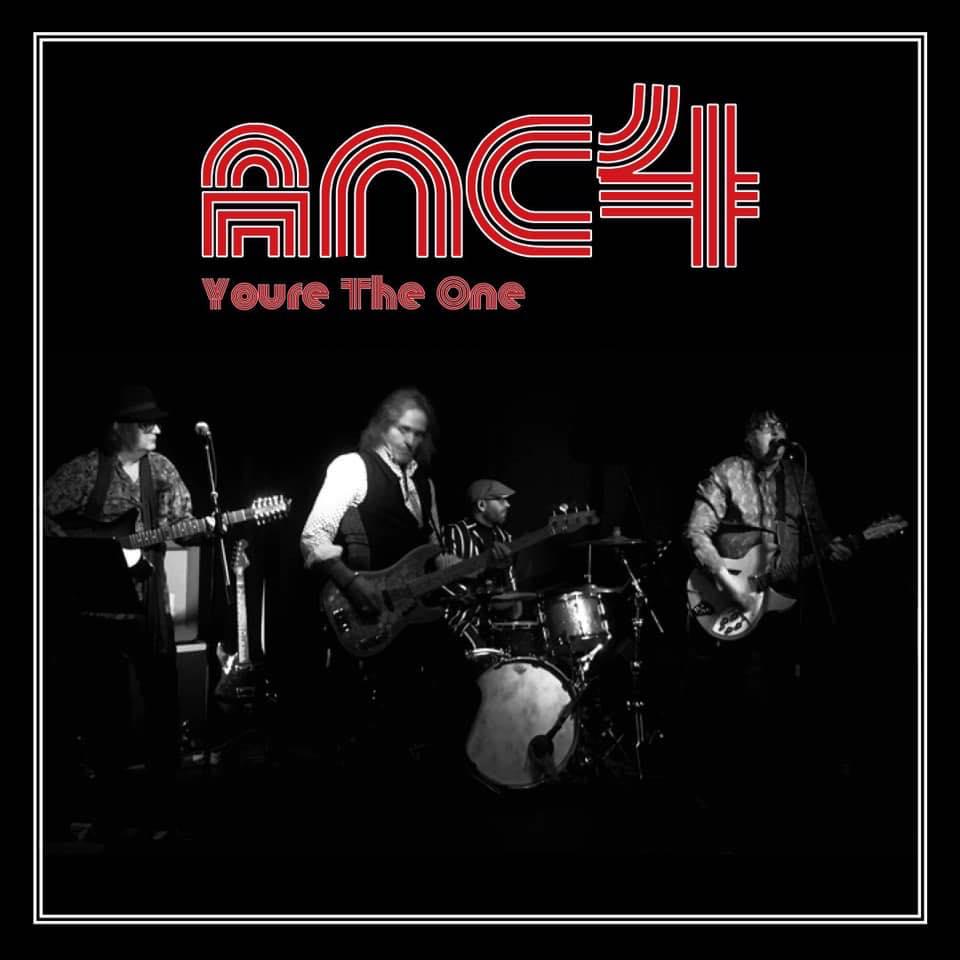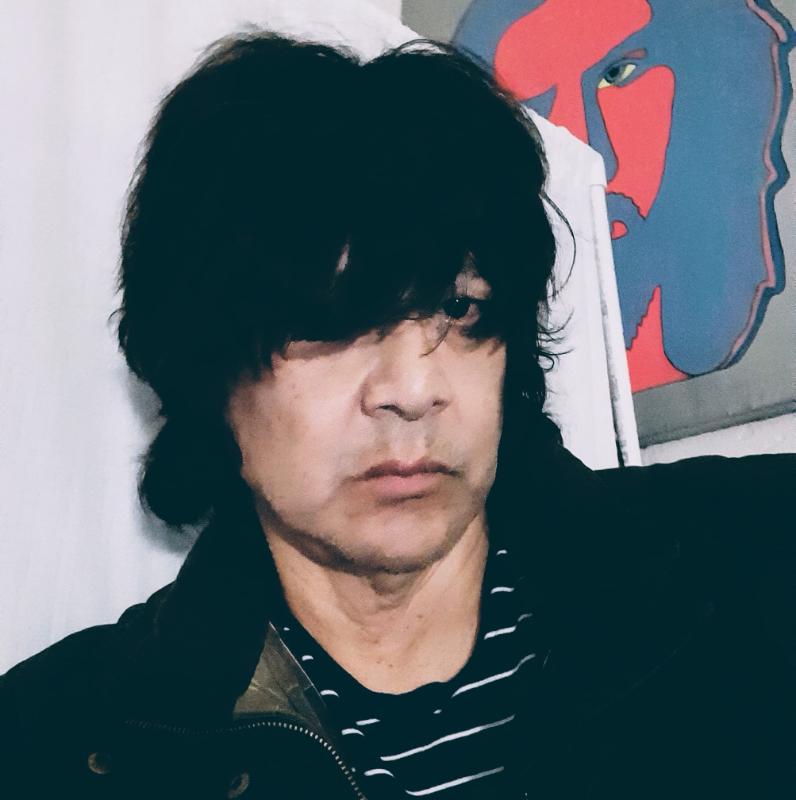
Javier Escovedo

Blues
Blues Rock
Power Pop
 Viberate Rank: 462422
 Viberate Rank: 462422
 Monthly ListenersFollowers
 Subscribers
 Followers
 Followers
 FansTop Spotify Songs
| Track | 7-Day Streams | |
|---|---|---|
1 | 35 | |
2 | 19 | |
3 | 10 | |
4 | 9 | |
5 | 7 |
Top YouTube VideosMonthly ListenersFeatured in Playlists| Playlist | Followers | |
|---|---|---|
1 |  Indie Rampage Andrew X | 17.31K |
2 |  El Sótano de Radio 3 Groovyfamily | 9.84K |
3 | Official SXSW Music 2015 Complete Playlist SXSW | 2.40K |
4 |  Official SXSW Music 2016 Complete Playlist SXSW | 1.76K |
5 |  Flor de Pasión - Juan de Pablos Jose Manuel Sanjuan Fasanar | 1.42K |
Audience| City | Monthly Listeners | |
|---|---|---|
1 |  | 8 |
2 | | 6 |
3 |  | 3 |
4 | | 3 |
5 | | 3 |
See full performance history, audience data, playlist activity, rankings, comparisons, and more in Viberate music analytics. Start with a free trial, then continue with a paid plan.
Javier Escovedo’s Spotify BioJavier Escovedo was born into music -- his older brothers Pete Escovedo and Coke Escovedo were celebrated Latin jazz musicians who also worked with Santana and formed the band Azteca, while another of his brothers, Alejandro Escovedo, earned a loyal following as an eclectic singer/songwriter, and his niece Sheila Escovedo was another jazz artist who was groomed by Prince into pop success under the name Sheila E. But Javier was the true rock & roll man in the family, a swaggering and confident guitarist and tunesmith, and he played with a handful of notable groups before launching a solo career.
Born and raised in San Diego, California, Javier Escovedo picked up the guitar at a young age, and after his sister's boyfriend showed him a few riffs, he was soon playing everything from garage rock staples to vintage Freddy Fender tunes. As one of the youngest siblings in a large family (Javier's mother was 40 and his father 55 when he was born), Javier developed a rebellious streak early, and… was already a fan of David Bowie and the New York Dolls when punk rock first began to make itself known. When Javier learned his high-school girlfriend had a brother who could play guitar and was interested in punk rock, he and Robert Lopez (who later gained fame as El Vez, "the Mexican Elvis") formed a band in 1976 called the Zeros, with Hector Peñalosa on bass and Baba Chenelle on drums. Playing simple but strong music in the manner of the Ramones and the New York Dolls (as Javier once told a reporter, "I knew I would never play like Mick Ronson or Jeff Beck, but I thought I might be able to play like Johnny Thunders"), the Zeros soon made a name for themselves in the Los Angeles punk rock community as one of the youngest bands on the scene, as well as one of the first with an all-Latino membership. In 1977, the Zeros released a single through Bomp Records, "Wimp" b/w "Don't Push Me Around," and a second appeared the following year, "Beat Your Heart Out" b/w "Wild Weekend." The Zeros gained a sizable following in California and toured the United States, but they broke up in 1980 before they could cut an album.
Javier relocated to Austin, Texas in the early '80s, where his brother Alejandro was living (this after he'd had his own run with an early West Coast punk band, the Nuns), and in 1982 they formed a group called the True Believers. Playing a fiery brand of roots rock with a three-guitar lineup (Javier, Alejandro, and Jon Dee Graham) giving the songs a major push, the True Believers were one of Austin's most celebrated bands in the '80s and seemed poised for a national breakthrough until corporate reorganization at their record label caused their contract to be dropped and their second album was pulled from release two weeks before it was due to ship. (The unreleased True Believers album, along with their self-titled debut, was finally released in 1994 on a collection titled Hard Road.)
After the breakup of the True Believers, Escovedo worked with the bands Will and the Kill and Sacred Hearts, joined Ken Stringfellow of the Posies in the side project Chariot, and re-formed the Zeros for live shows and a run of new recordings. However, after nearly 25 years, Javier's love of the rock & roll lifestyle had led to chronic drug addiction, and in 2000 he checked into rehab in order to focus on his health. Outside of his periodic work with the Zeros, Javier maintained a low profile, though he played occasional solo shows and in 2012 he took part in a short-lived True Believers reunion. That same year, Javier released his first solo album, titled City Lights, which affirmed his continued strength as a guitarist, vocalist, and songwriter. In 2016, Javier dropped a second solo effort, the lean and hard-rocking Kicked Out of Eden. ~ Mark Deming, Rovi
Viberate is a music analytics platform built for A&Rs, artist managers, labels, booking agents, marketers, and artists.
It helps music professionals track artist growth, analyze audience data, monitor playlist activity, compare artists, follow song performance, and identify opportunities across the music market.
Public artist pages provide a free preview of selected artist data. Paid plans provide access to deeper analytics, historical data, charts, comparisons, playlist tools, exports, alerts, reports, and additional professional features.
Yes. Public Viberate artist pages provide selected artist analytics and music data for free.
Viberate also offers a 7-day free trial of the full platform. A credit card is required to start the trial. The trial includes access to the complete product so users can test deeper artist analytics, historical views, playlist insights, comparisons, charts, exports, alerts, and reporting features before choosing a paid plan.
Viberate provides artist analytics across streaming, playlists, social media, video, radio airplay, songs, and audience markets.
Users can analyze Spotify performance, Spotify and Apple Music playlists, YouTube activity, TikTok and Instagram growth, radio spins, song performance, audience locations, demographics, rankings, and overall artist momentum.
Artist profiles also connect to music charts, similar artists, and comparison tools, helping users benchmark performance and evaluate artists in context.
Viberate updates key artist and track data daily.
For followed artists and tracks, selected data is refreshed multiple times per day. This helps teams monitor playlist changes, streaming movement, audience growth, releases, and campaign performance with more current data.
Update frequency can vary depending on the metric and data source.
Yes. Viberate lets users compare up to five artists side by side across streaming, social media, audience, and engagement metrics.
Users can compare fanbase growth, audience demographics, locations, Spotify performance, social metrics, and other artist data over selected time periods.
Artist comparison can be used for A&R scouting, benchmarking, booking decisions, campaign planning, and evaluating artists with similar audiences or market positions.