Javier Bátiz

Blues
Blues Rock
 Viberate Rank: 125271
 Viberate Rank: 125271
 Monthly ListenersFollowers
 Subscribers
 Followers
 Followers
 FansTop Spotify Songs
| Track | 7-Day Streams | |
|---|---|---|
1 | 7.59K | |
2 | 3.44K | |
3 | 2.77K | |
4 | 2.64K | |
5 | 2.64K |
Top YouTube VideosMonthly ListenersFeatured in Playlists| Playlist | Followers | |
|---|---|---|
1 |  Rock Urbano Spotify | 448.76K |
2 |  Los 70 México Spotify | 362.13K |
3 |  Rock Mexicano Avándaro Spotify | 47.23K |
4 |  Rock Mexicano Del Barrio Geovanni Martínez Dorantes | 38.11K |
5 |  Rock Nacional Mexicano - Clásicos del rock urbano Suminoe310 | 31.53K |
Audience| City | Monthly Listeners | |
|---|---|---|
1 | | 12.31K |
2 | | 2.09K |
3 | | 1.89K |
4 | | 1.21K |
5 | | 1.14K |
See full performance history, audience data, playlist activity, rankings, comparisons, and more in Viberate music analytics. Start with a free trial, then continue with a paid plan.
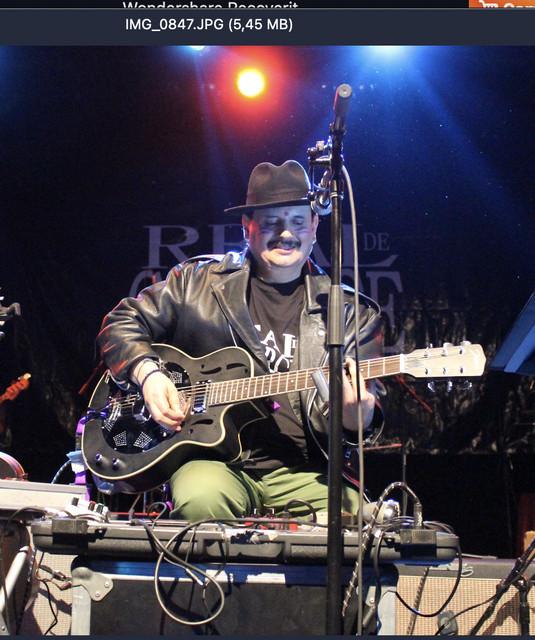
Javier Bátiz’s Spotify Bioguitarrista originario de la ciudad mexicana de Tijuana, fundador del movimiento tijuanense
de rock que vino a modernizar el concepto de esta música en México.
Reconocido como el padre del rock and roll mexicano, en 1957 Javier Bátiz, fundó en su natal
Tijuana un grupo llamados Los TJ’S, con el que recogía fielmente las influencias musicales
que se recibían en las ciudades fronterizas mexicanas del Blues y R&B.
Con Javier Bátiz se gestó en México el primer movimiento de rock autentico en nuestro país y
por ello su figura inspiró el nacimiento de una serie de grupos y bandas contestatarias que
vivirían el auténtico sentido contracultural que proponía el rock a nivel mundial, entre ellos la
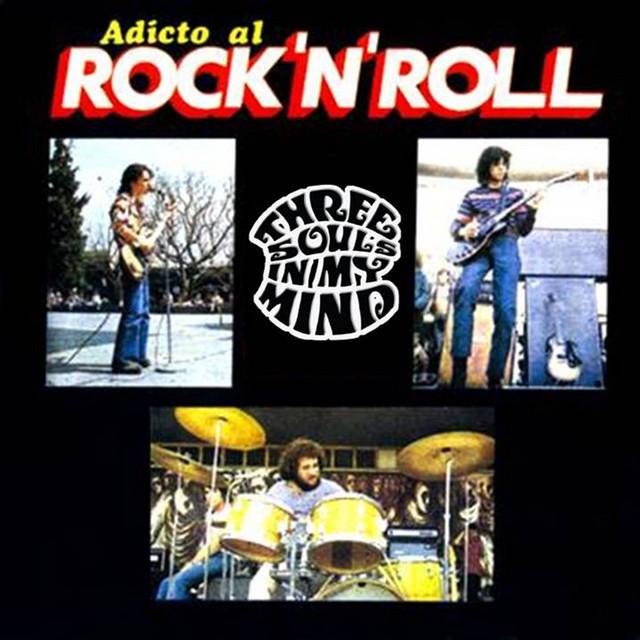
de ¨Los Three Souls in my Mind¨ de Alejandro Lora, a finales de los 60's.
Conocido como el maestro de gente como: Carlos Santana, Alex Lora, Abraham Laboriel, Fito
de la Parra (Canned Heat),Guillermo Briseño y mas, la figura de Javier Bátiz va mucho más
allá. Con una impresionante carrera de 58 años de rock… ininterrumpida, Bátiz sigue haciendo
ruido en la escena del rock.
Ganando premios como: Los Heraldo, Las Palmas de Oro, Medallas Phonos, El Xochipili, La
Lira de Oro, Creador Emerito de BC, Fundador Forjador de Baja California, Sus Huellas en
Plaza Galerias de las Estrellas, Su estrella en el paseo de la Fama de Tijuana, etc.
Viberate is a music analytics platform built for A&Rs, artist managers, labels, booking agents, marketers, and artists.
It helps music professionals track artist growth, analyze audience data, monitor playlist activity, compare artists, follow song performance, and identify opportunities across the music market.
Public artist pages provide a free preview of selected artist data. Paid plans provide access to deeper analytics, historical data, charts, comparisons, playlist tools, exports, alerts, reports, and additional professional features.
Yes. Public Viberate artist pages provide selected artist analytics and music data for free.
Viberate also offers a 7-day free trial of the full platform. A credit card is required to start the trial. The trial includes access to the complete product so users can test deeper artist analytics, historical views, playlist insights, comparisons, charts, exports, alerts, and reporting features before choosing a paid plan.
Viberate provides artist analytics across streaming, playlists, social media, video, radio airplay, songs, and audience markets.
Users can analyze Spotify performance, Spotify and Apple Music playlists, YouTube activity, TikTok and Instagram growth, radio spins, song performance, audience locations, demographics, rankings, and overall artist momentum.
Artist profiles also connect to music charts, similar artists, and comparison tools, helping users benchmark performance and evaluate artists in context.
Viberate updates key artist and track data daily.
For followed artists and tracks, selected data is refreshed multiple times per day. This helps teams monitor playlist changes, streaming movement, audience growth, releases, and campaign performance with more current data.
Update frequency can vary depending on the metric and data source.
Yes. Viberate lets users compare up to five artists side by side across streaming, social media, audience, and engagement metrics.
Users can compare fanbase growth, audience demographics, locations, Spotify performance, social metrics, and other artist data over selected time periods.
Artist comparison can be used for A&R scouting, benchmarking, booking decisions, campaign planning, and evaluating artists with similar audiences or market positions.