Jared Harder

Country
Contemporary Country
 Viberate Rank: 450570
 Viberate Rank: 450570
 Monthly ListenersFollowers
 Subscribers
 Followers
 Followers
 FansTop Spotify Songs
| Track | 7-Day Streams | |
|---|---|---|
1 | 25 | |
2 | 7 | |
3 | 6 | |
4 | 4 | |
5 | 1 |
Top YouTube Videos| Video | 7-Day Views | |
|---|---|---|
1 | 8 |
Monthly ListenersFeatured in Playlists| Playlist | Followers | |
|---|---|---|
1 | The Voice Performances (Studio Version) Ariff Firmansyah | 2.03K |
2 | The Voice USA Winners Season 1-14 Shirley Kovach | 1.98K |
3 | The Voice Battles and Duets ClexaTWD | 1.77K |
Audience| City | Monthly Listeners | |
|---|---|---|
1 | | 5 |
2 | | 3 |
3 | | 3 |
4 |  | 3 |
See full performance history, audience data, playlist activity, rankings, comparisons, and more in Viberate music analytics. Start with a free trial, then continue with a paid plan.
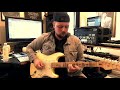
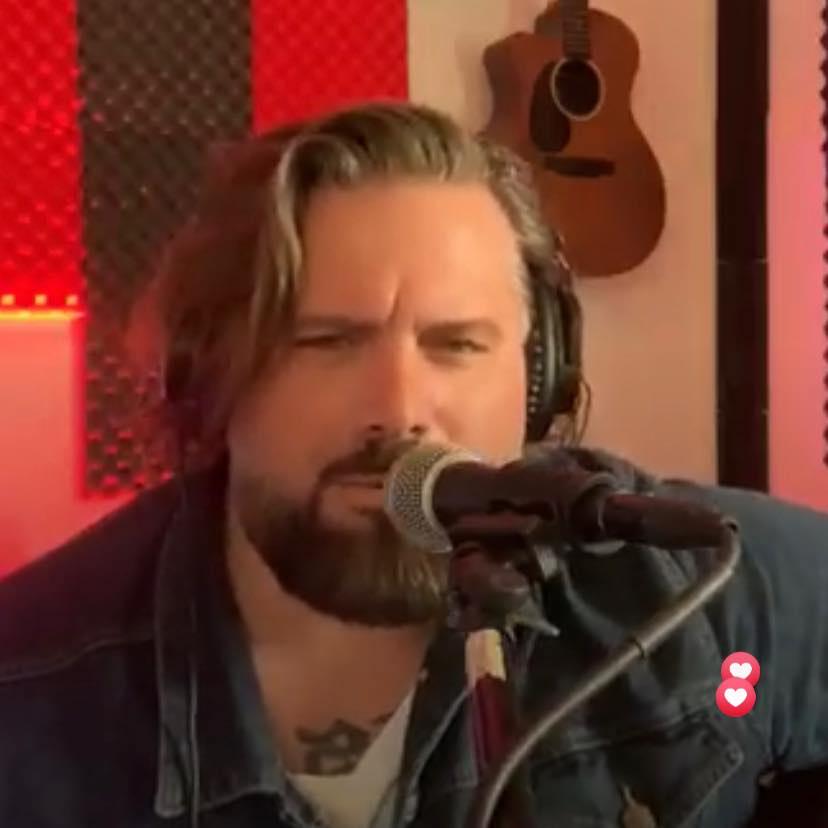
Jared Harder’s Spotify BioRaised in southern Missouri, Jared Harder has a sound rooted in traditional country, while also bringing forth a sound influenced by a wide range of modern music and artists.
Having grown up as a pastors kid in a small town, Harder cut his teeth on southern gospel that he heard around home, along with also having an early exposure to country staples like Merle Haggard, Buck Owens, and Johnny Cash, thanks to time spent around his Grandpa's farm. At the age of three years old Harder made his debut singing in front of a live audience, which took place at none other than his church. As Harder grew older he began to expand his musical influences, but stayed true to his roots. Harder is also a self taught multi-instrumentalist who gained some recognition when he took the final slot of country superstar Blake Shelton's team on Season 10 of NBC's The Voice in 2016. Since then, he has relocated to Nashville, Tennessee to pursue music, full-time. Get to know the artist behind the music by… following Jared on Instagram and TikTok (@JaredHarder).
Viberate is a music analytics platform built for A&Rs, artist managers, labels, booking agents, marketers, and artists.
It helps music professionals track artist growth, analyze audience data, monitor playlist activity, compare artists, follow song performance, and identify opportunities across the music market.
Public artist pages provide a free preview of selected artist data. Paid plans provide access to deeper analytics, historical data, charts, comparisons, playlist tools, exports, alerts, reports, and additional professional features.
Yes. Public Viberate artist pages provide selected artist analytics and music data for free.
Viberate also offers a 7-day free trial of the full platform. A credit card is required to start the trial. The trial includes access to the complete product so users can test deeper artist analytics, historical views, playlist insights, comparisons, charts, exports, alerts, and reporting features before choosing a paid plan.
Viberate provides artist analytics across streaming, playlists, social media, video, radio airplay, songs, and audience markets.
Users can analyze Spotify performance, Spotify and Apple Music playlists, YouTube activity, TikTok and Instagram growth, radio spins, song performance, audience locations, demographics, rankings, and overall artist momentum.
Artist profiles also connect to music charts, similar artists, and comparison tools, helping users benchmark performance and evaluate artists in context.
Viberate updates key artist and track data daily.
For followed artists and tracks, selected data is refreshed multiple times per day. This helps teams monitor playlist changes, streaming movement, audience growth, releases, and campaign performance with more current data.
Update frequency can vary depending on the metric and data source.
Yes. Viberate lets users compare up to five artists side by side across streaming, social media, audience, and engagement metrics.
Users can compare fanbase growth, audience demographics, locations, Spotify performance, social metrics, and other artist data over selected time periods.
Artist comparison can be used for A&R scouting, benchmarking, booking decisions, campaign planning, and evaluating artists with similar audiences or market positions.