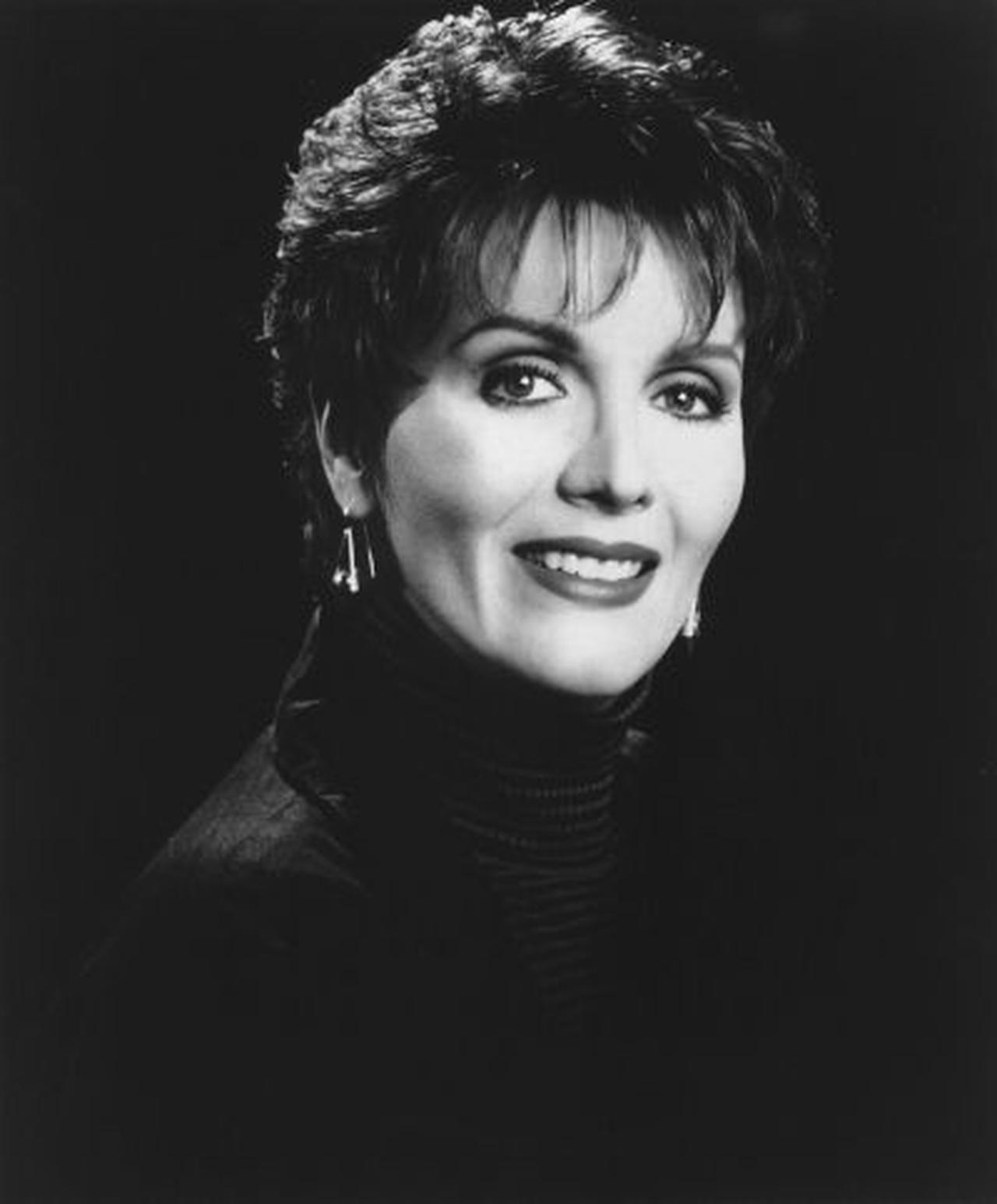
Jane Olivor

Classical
Classical Crossover
Big band Jazz
 Viberate Rank: 189618
 Viberate Rank: 189618
 Monthly ListenersFollowers
 Subscribers
 Followers
 Followers
 FansTop Spotify Songs
| Track | 7-Day Streams | |
|---|---|---|
1 | 18.18K | |
2 | 6.92K | |
3 | 734 | |
4 | 656 | |
5 | 545 |
Top YouTube Videos| Video | 7-Day Views | |
|---|---|---|
1 | 1.63K |
Monthly ListenersFeatured in Playlists| Playlist | Followers | |
|---|---|---|
1 | Oldies (ABBA, The Carpenters, Air Supply,..) 22l7fij43itb7njp7lbr6xgpq | 155.76K |
2 | 80s and 90s Best Lovesongs of All Time Dahlia | 94.93K |
3 | 70's 80's 90’s CLASSIC LOVE SONGS MikeUmahag | 92.53K |
4 |  Cruisin' Love Songs thedarkden | 39.00K |
5 | Duets Love Songs Of All Time Kyle Eucare Asuncion | 28.84K |
Audience| City | Monthly Listeners | |
|---|---|---|
1 |  | 1.98K |
2 | | 1.17K |
3 | | 823 |
4 | | 811 |
5 | | 731 |
See full performance history, audience data, playlist activity, rankings, comparisons, and more in Viberate music analytics. Start with a free trial, then continue with a paid plan.
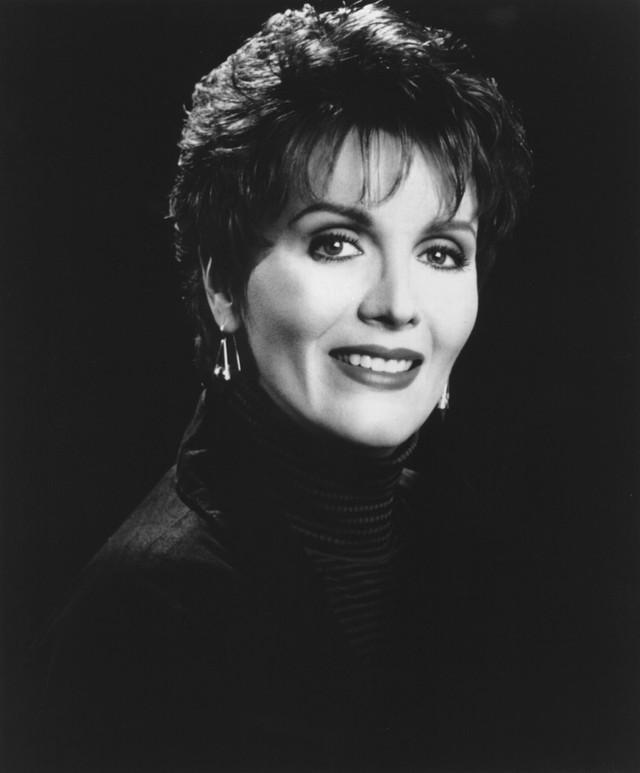
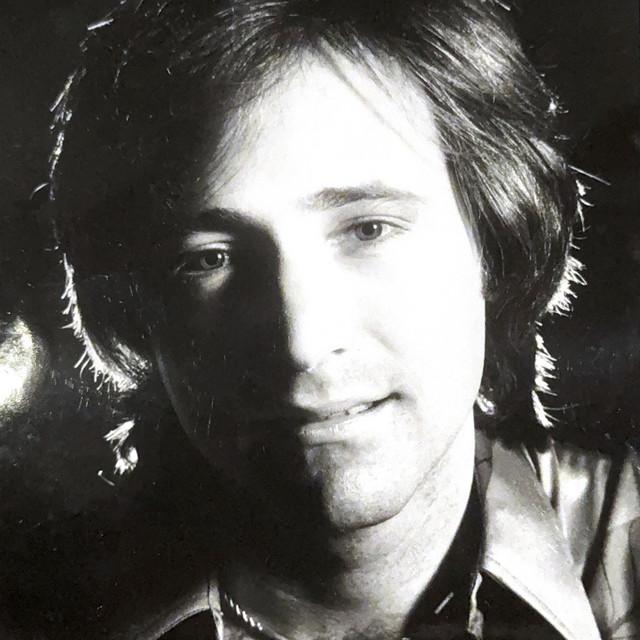
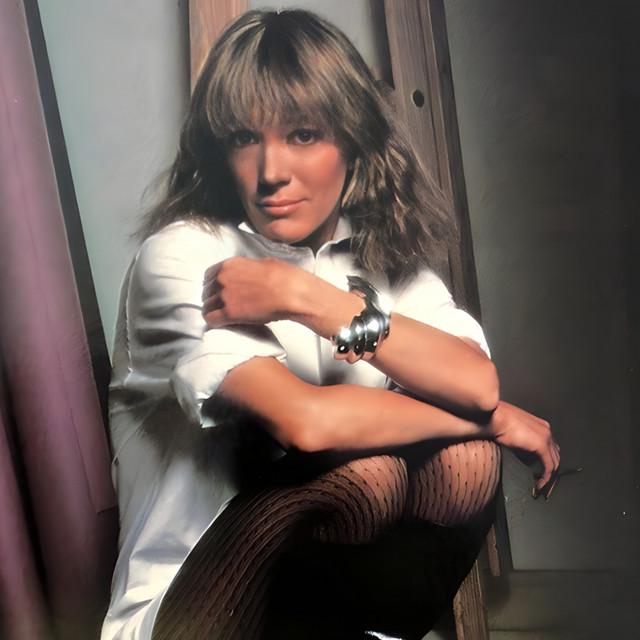
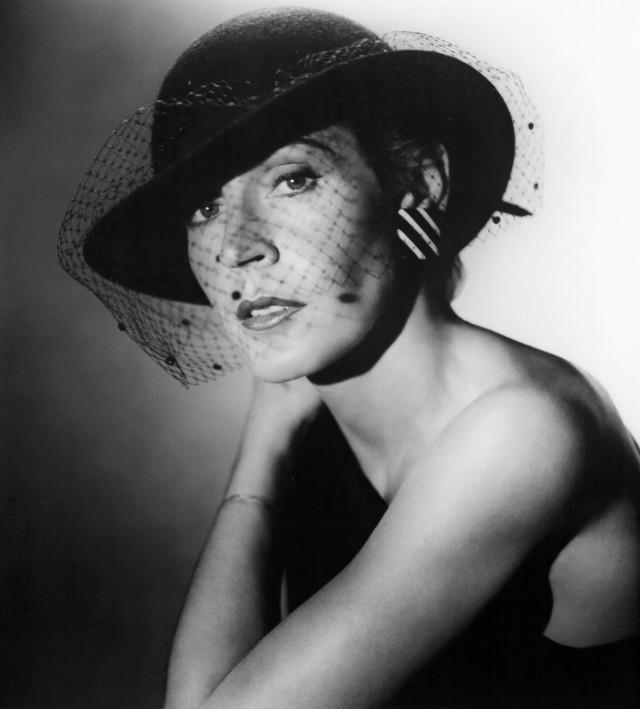
Jane Olivor’s Spotify BioJane Cohen from Brooklyn, NY, remade herself into French-style cabaret singer Jane Olivor in the downtown Manhattan club scene of the early '70s. Employing an emphatic style that reminded some listeners of French chanteuse Edith Piaf and others of fellow Brooklynite Barbra Streisand, Olivor built a following among gay men and other fans of traditional pop, transforming songs like "Some Enchanted Evening" from the Broadway musical South Pacific and the Fleetwoods' 1959 hit "Come Softly to Me" into personal statements at venues such as the Greenwich Village nightclub Reno Sweeney's and the Garment District supper club the Ballroom. She attracted enough attention that Columbia Records signed her, issuing her debut album, First Night, in 1976. That LP failed to chart despite positive critical notices, but "Some Enchanted Evening" belatedly became a minor singles chart entry just before the September 1977 release of her second album, Chasing Rainbows, which reached the Top 100 bestsellers,… remaining in the charts for three months. With that, Olivor began to appear in major concert halls around the country.
Stay the Night, released in the spring of 1978, featured another minor chart entry, Olivor's cover of the Chiffons' 1963 hit "He's So Fine," which marked a slight improvement in her chart statistics. She next sang a duet with Johnny Mathis on "The Last Time I Felt Like This," the theme from the 1978 film Same Time Next Year. The recording made the Top 20 on the easy listening charts, and when it was nominated for the Academy Award for Best Song, Mathis and Olivor sang it at the Oscar ceremony. By now, Olivor was headlining at the Greek Theatre in Los Angeles, Carnegie Hall in New York, and other prestigious venues. Her fourth album, The Best Side of Goodbye, released in the winter of 1980, was her highest charting one yet. In December 1981, she recorded shows at the Berklee School of Music in Boston that were released in the spring of 1982 as her fifth album, In Concert.
Stage fright, apprehension about the speed of her career ascent, and unpleasant experiences in the music business caused Olivor to take what was at first intended to be a one-year hiatus from performing. She married, but soon after, her husband was diagnosed with cancer; she abandoned her career to care for him, but he died in 1986. In the meantime, she had entered into a dispute with Columbia over money she felt owed. She did not return to performing until 1993, when she found she had maintained a loyal following around the country. She gradually became more active and, in the fall of 2000, released her first new studio album in more than 20 years, Love Decides, on Varèse Sarabande Records. She followed it in the fall of 2001 with a holiday collection, Songs of the Season. ~ William Ruhlmann, Rovi
Viberate is a music analytics platform built for A&Rs, artist managers, labels, booking agents, marketers, and artists.
It helps music professionals track artist growth, analyze audience data, monitor playlist activity, compare artists, follow song performance, and identify opportunities across the music market.
Public artist pages provide a free preview of selected artist data. Paid plans provide access to deeper analytics, historical data, charts, comparisons, playlist tools, exports, alerts, reports, and additional professional features.
Yes. Public Viberate artist pages provide selected artist analytics and music data for free.
Viberate also offers a 7-day free trial of the full platform. A credit card is required to start the trial. The trial includes access to the complete product so users can test deeper artist analytics, historical views, playlist insights, comparisons, charts, exports, alerts, and reporting features before choosing a paid plan.
Viberate provides artist analytics across streaming, playlists, social media, video, radio airplay, songs, and audience markets.
Users can analyze Spotify performance, Spotify and Apple Music playlists, YouTube activity, TikTok and Instagram growth, radio spins, song performance, audience locations, demographics, rankings, and overall artist momentum.
Artist profiles also connect to music charts, similar artists, and comparison tools, helping users benchmark performance and evaluate artists in context.
Viberate updates key artist and track data daily.
For followed artists and tracks, selected data is refreshed multiple times per day. This helps teams monitor playlist changes, streaming movement, audience growth, releases, and campaign performance with more current data.
Update frequency can vary depending on the metric and data source.
Yes. Viberate lets users compare up to five artists side by side across streaming, social media, audience, and engagement metrics.
Users can compare fanbase growth, audience demographics, locations, Spotify performance, social metrics, and other artist data over selected time periods.
Artist comparison can be used for A&R scouting, benchmarking, booking decisions, campaign planning, and evaluating artists with similar audiences or market positions.