Jane Morgan

Pop
Mainstream Pop
 Viberate Rank: 169398
 Viberate Rank: 169398
 Monthly ListenersFollowers
 Subscribers
 Followers
 Followers
 FansTop Spotify Songs
| Track | 7-Day Streams | |
|---|---|---|
1 | 6.86K | |
2 | 4.90K | |
3 | 4.37K | |
4 | 4.37K | |
5 | 3.27K |
Top YouTube VideosMonthly ListenersFeatured in Playlists| Playlist | Followers | |
|---|---|---|
1 |  The Morning Show - soundtrack seasons 1, 2, 3 & 4 your own kind of music | 43.22K |
2 |  Every Official UK Number 1 Ever Official Charts | 33.96K |
3 |  Essential Classics Essential Classics | 31.39K |
4 |  Rockabilly Peter Karlsson | 13.32K |
5 |  Fallout TV show soundtrack: All songs Cameron Frew | 8.74K |
Audience| City | Monthly Listeners | |
|---|---|---|
1 |  | 639 |
2 |  | 508 |
3 | | 452 |
4 | | 452 |
5 |  | 406 |
See full performance history, audience data, playlist activity, rankings, comparisons, and more in Viberate music analytics. Start with a free trial, then continue with a paid plan.
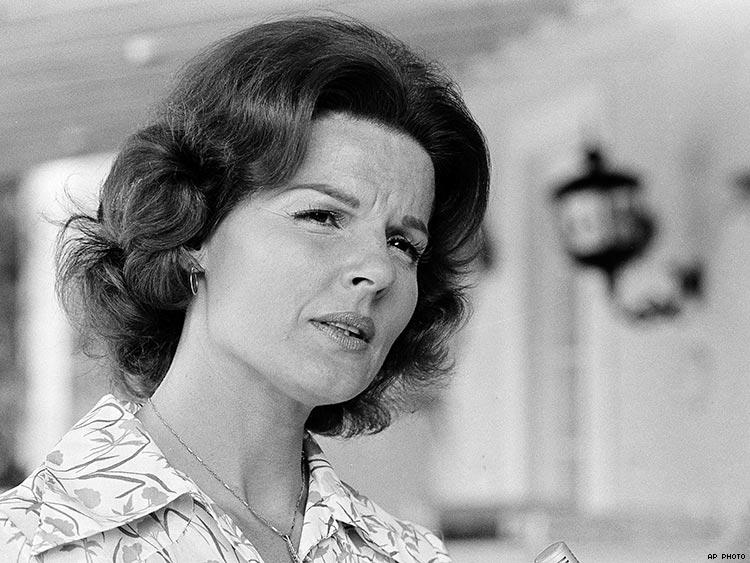
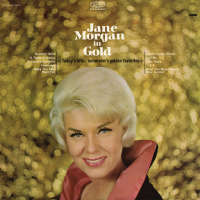
Jane Morgan’s Spotify BioVocalist Jane Morgan is known best for her lone Top Ten hit, "Fascination," drawn from the 1957 Billy Wilder film Love in the Afternoon. Born in Boston (as Jane Currier) but raised in Florida, Morgan was an early success as a singer in France. She made the transition back to America as a nightclub act, and signed to Kapp in the mid-'50s.
Jane Morgan made her chart debut late in 1956, appearing alongside Roger Williams on "Two Different Worlds."
One year later she hit number seven with her theme "Fascination," based on the old French composition "Valse Tzigane." Both "The Day the Rains Came" and "With Open Arms" followed "Fascination" into the Top 40 during the late '50s, but Morgan had disappeared from the charts by the turn of the decade. (Her last hit was also a movie theme, for 1959's Happy Anniversary, directed by David Miller and featuring David Niven.) She continued recording for Kapp until 1962, and resurfaced four years later on Epic for Fresh Flavor, a rock-crossover LP that was… only slightly embarrassing (her cover of "Good Lovin'" is a minor moment of kitsch). ~ John Bush, Rovi
Viberate is a music analytics platform built for A&Rs, artist managers, labels, booking agents, marketers, and artists.
It helps music professionals track artist growth, analyze audience data, monitor playlist activity, compare artists, follow song performance, and identify opportunities across the music market.
Public artist pages provide a free preview of selected artist data. Paid plans provide access to deeper analytics, historical data, charts, comparisons, playlist tools, exports, alerts, reports, and additional professional features.
Yes. Public Viberate artist pages provide selected artist analytics and music data for free.
Viberate also offers a 7-day free trial of the full platform. A credit card is required to start the trial. The trial includes access to the complete product so users can test deeper artist analytics, historical views, playlist insights, comparisons, charts, exports, alerts, and reporting features before choosing a paid plan.
Viberate provides artist analytics across streaming, playlists, social media, video, radio airplay, songs, and audience markets.
Users can analyze Spotify performance, Spotify and Apple Music playlists, YouTube activity, TikTok and Instagram growth, radio spins, song performance, audience locations, demographics, rankings, and overall artist momentum.
Artist profiles also connect to music charts, similar artists, and comparison tools, helping users benchmark performance and evaluate artists in context.
Viberate updates key artist and track data daily.
For followed artists and tracks, selected data is refreshed multiple times per day. This helps teams monitor playlist changes, streaming movement, audience growth, releases, and campaign performance with more current data.
Update frequency can vary depending on the metric and data source.
Yes. Viberate lets users compare up to five artists side by side across streaming, social media, audience, and engagement metrics.
Users can compare fanbase growth, audience demographics, locations, Spotify performance, social metrics, and other artist data over selected time periods.
Artist comparison can be used for A&R scouting, benchmarking, booking decisions, campaign planning, and evaluating artists with similar audiences or market positions.