Jamie Barnes

Asian
Indian Folk
Christian Music
 Viberate Rank: 596719
 Viberate Rank: 596719
 Monthly ListenersFollowers
 Subscribers
 Followers
 Followers
 FansTop Spotify SongsTop YouTube VideosMonthly ListenersFeatured in Playlists
| Playlist | Followers | |
|---|---|---|
1 |  Hymns for Hipsters Evan Lemkuil | 45.04K |
2 |  Hymns: 3,000 Traditional Hymns by Modern Artists brucekonold | 15.52K |
3 | Christian Folk/Indie Kevin Hou | 9.19K |
4 |  Christian Folk (Best of/Sampler) Josiah Jorgensen | 7.89K |
5 |  UNPLUGGED WORSHIP sarahgloor | 5.78K |
Audience| City | Monthly Listeners | |
|---|---|---|
1 | | 81 |
2 | | 75 |
3 | | 59 |
4 | | 54 |
5 | | 54 |
See full performance history, audience data, playlist activity, rankings, comparisons, and more in Viberate music analytics. Start with a free trial, then continue with a paid plan.
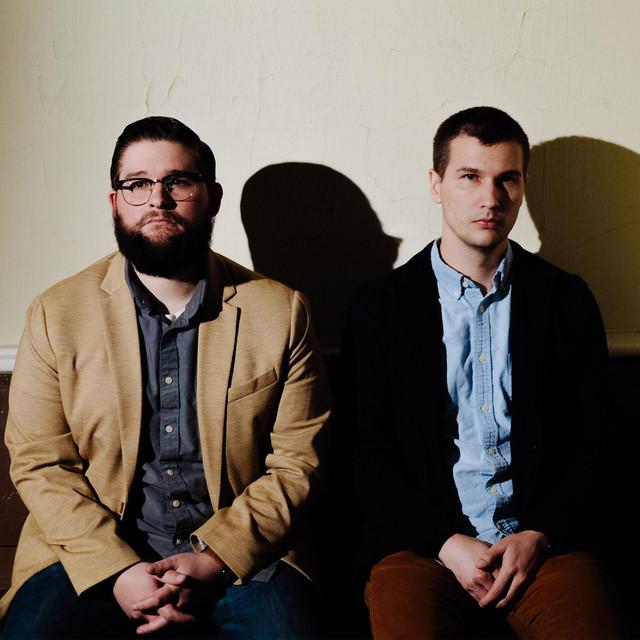
Jamie Barnes’ Spotify BioMost of Jamie Barnes' laid-back indie folk is highly personal work that incorporates religious imagery, love notes, and internal struggles. With a strong aptitude for learning instruments by ear, he includes a wide variety of small household instruments like toy piano, xylophone, flute, tabla, and glockenspiel in his bedroom recordings, but generally builds his songs around his soothing voice and a lone acoustic guitar. Barnes picked up his first guitar at age 11, and began sharpening his skills in family jam sessions with his father, who had played in a band that opened for the Doors and the Beach Boys, and his big brother. At 15, Barnes began playing around Louisville, KY, with a few bands. Around the time he was 18, after being inspired by the imagery of Songs of Leonard Cohen and other emotionally provocative artists like Low, Tom Waits, and Gillian Welch, Barnes created a demo with the hopes of making music that was akin to a comforting dream. He shopped his homemade CD around to… a handful of labels and then went off to play some shows with After the Panic. When he returned, he received a response from Brian John Mitchell at Silber.
Mitchell signed the fledgling artist, despite the fact that Barnes had a considerably different sound than most of the label's droning noise-rock bands, which include Origami Arktika, Clang Quartet, and Remora. In 2003, before Barnes was 20, Silber released his lo-fi debut album, The Fallen Acrobat, which he had recorded in his bedroom over the course of a year. In 2006, Barnes followed his debut with the more complex and rewarding Honey from the Ribcage. This release displayed a more orchestrated and personal approach to songwriting, with underlying tones of questioned spirituality and distress. "Second Guess My Own" illustrates how he lost several years from his life due to a memory loss, and "Red Prescription" is about his battle with the prescription drugs that caused that memory loss. Here, his lyrics often act as a diary tracking his fears and life-altering events, simultaneously drawing parallels to the biblical story of Samson. After this record, Barnes relocated to the Pink Bullet label; The Recalibrated Heart, a fuller album that continued to follow his spiritual journey into the intimate realms of self-produced bedroom recording, arrived in 2007. ~ Jason Lymangrover, Rovi
Viberate is a music analytics platform built for A&Rs, artist managers, labels, booking agents, marketers, and artists.
It helps music professionals track artist growth, analyze audience data, monitor playlist activity, compare artists, follow song performance, and identify opportunities across the music market.
Public artist pages provide a free preview of selected artist data. Paid plans provide access to deeper analytics, historical data, charts, comparisons, playlist tools, exports, alerts, reports, and additional professional features.
Yes. Public Viberate artist pages provide selected artist analytics and music data for free.
Viberate also offers a 7-day free trial of the full platform. A credit card is required to start the trial. The trial includes access to the complete product so users can test deeper artist analytics, historical views, playlist insights, comparisons, charts, exports, alerts, and reporting features before choosing a paid plan.
Viberate provides artist analytics across streaming, playlists, social media, video, radio airplay, songs, and audience markets.
Users can analyze Spotify performance, Spotify and Apple Music playlists, YouTube activity, TikTok and Instagram growth, radio spins, song performance, audience locations, demographics, rankings, and overall artist momentum.
Artist profiles also connect to music charts, similar artists, and comparison tools, helping users benchmark performance and evaluate artists in context.
Viberate updates key artist and track data daily.
For followed artists and tracks, selected data is refreshed multiple times per day. This helps teams monitor playlist changes, streaming movement, audience growth, releases, and campaign performance with more current data.
Update frequency can vary depending on the metric and data source.
Yes. Viberate lets users compare up to five artists side by side across streaming, social media, audience, and engagement metrics.
Users can compare fanbase growth, audience demographics, locations, Spotify performance, social metrics, and other artist data over selected time periods.
Artist comparison can be used for A&R scouting, benchmarking, booking decisions, campaign planning, and evaluating artists with similar audiences or market positions.