James P. Johnson

Jazz
Swing
Classical Crossover
 Viberate Rank: 155472
 Viberate Rank: 155472
 Monthly ListenersFollowers
 Subscribers
 Followers
 Followers
 FansTop Spotify Songs
| Track | 7-Day Streams | |
|---|---|---|
1 | 5.57K | |
2 | 4.41K | |
3 | 3.38K | |
4 | 3.00K | |
5 | 2.48K |
Top YouTube VideosMonthly ListenersFeatured in Playlists| Playlist | Followers | |
|---|---|---|
1 |  Jazz Meets Classical Spotify | 321.57K |
2 |  Jazz Piano Classics Spotify | 158.63K |
3 |  1000 Recordings to Hear Before You Die (Tom Moon): Album Index Ulysses' Classical | 94.30K |
4 |  1920s: The Roaring Twenties! Nathalie.L | 66.78K |
5 |  chez baldwin ikechúkwú casmir onyewuenyi | 51.91K |
Audience| City | Monthly Listeners | |
|---|---|---|
1 |  | 767 |
2 |  | 670 |
3 | | 660 |
4 | | 566 |
5 |  | 559 |
See full performance history, audience data, playlist activity, rankings, comparisons, and more in Viberate music analytics. Start with a free trial, then continue with a paid plan.
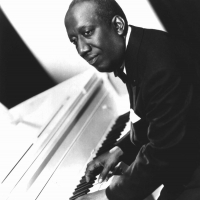
James P. Johnson’s Spotify BioOne of the great jazz pianists of all time, James P. Johnson was the king of stride pianists in the 1920s. He began working in New York clubs as early as 1913 and was quickly recognized as the pacesetter. In 1917, Johnson began making piano rolls. Duke Ellington learned from these (by slowing them down to half-speed), and a few years later, Johnson became Fats Waller's teacher and inspiration. During the '20s (starting in 1921), Johnson began to record, he was the nightly star at Harlem rent parties (accompanied by Waller and Willie "The Lion" Smith) and he wrote some of his most famous compositions during this period. For the 1923 Broadway show Running Wild (one of his dozen scores), Johnson composed "The Charleston" and "Old Fashioned Love," his earlier piano feature "Carolina Shout" became the test piece for other pianists, and some of his other songs included "If I Could Be with You One Hour Tonight" and "A Porter's Love Song to a Chambermaid."
Ironically, Johnson, the most… sophisticated pianist of the 1920s, was also an expert accompanist for blues singers and he starred on several memorable Bessie Smith and Ethel Waters recordings. In addition to his solo recordings, Johnson led some hot combos on records and guested with Perry Bradford and Clarence Williams; he also shared the spotlight with Fats Waller on a few occasions. Because he was very interested in writing longer works, Johnson (who had composed "Yamekraw" in 1927) spent much of the '30s working on such pieces as "Harlem Symphony," "Symphony in Brown," and a blues opera. Unfortunately much of this music has been lost through the years. Johnson, who was only semi-active as a pianist throughout much of the '30s, started recording again in 1939, often sat in with Eddie Condon, and was active in the '40s despite some minor strokes. A major stroke in 1955 finished off his career. Most of his recordings have been reissued on CD. ~ Scott Yanow, Rovi
Viberate is a music analytics platform built for A&Rs, artist managers, labels, booking agents, marketers, and artists.
It helps music professionals track artist growth, analyze audience data, monitor playlist activity, compare artists, follow song performance, and identify opportunities across the music market.
Public artist pages provide a free preview of selected artist data. Paid plans provide access to deeper analytics, historical data, charts, comparisons, playlist tools, exports, alerts, reports, and additional professional features.
Yes. Public Viberate artist pages provide selected artist analytics and music data for free.
Viberate also offers a 7-day free trial of the full platform. A credit card is required to start the trial. The trial includes access to the complete product so users can test deeper artist analytics, historical views, playlist insights, comparisons, charts, exports, alerts, and reporting features before choosing a paid plan.
Viberate provides artist analytics across streaming, playlists, social media, video, radio airplay, songs, and audience markets.
Users can analyze Spotify performance, Spotify and Apple Music playlists, YouTube activity, TikTok and Instagram growth, radio spins, song performance, audience locations, demographics, rankings, and overall artist momentum.
Artist profiles also connect to music charts, similar artists, and comparison tools, helping users benchmark performance and evaluate artists in context.
Viberate updates key artist and track data daily.
For followed artists and tracks, selected data is refreshed multiple times per day. This helps teams monitor playlist changes, streaming movement, audience growth, releases, and campaign performance with more current data.
Update frequency can vary depending on the metric and data source.
Yes. Viberate lets users compare up to five artists side by side across streaming, social media, audience, and engagement metrics.
Users can compare fanbase growth, audience demographics, locations, Spotify performance, social metrics, and other artist data over selected time periods.
Artist comparison can be used for A&R scouting, benchmarking, booking decisions, campaign planning, and evaluating artists with similar audiences or market positions.