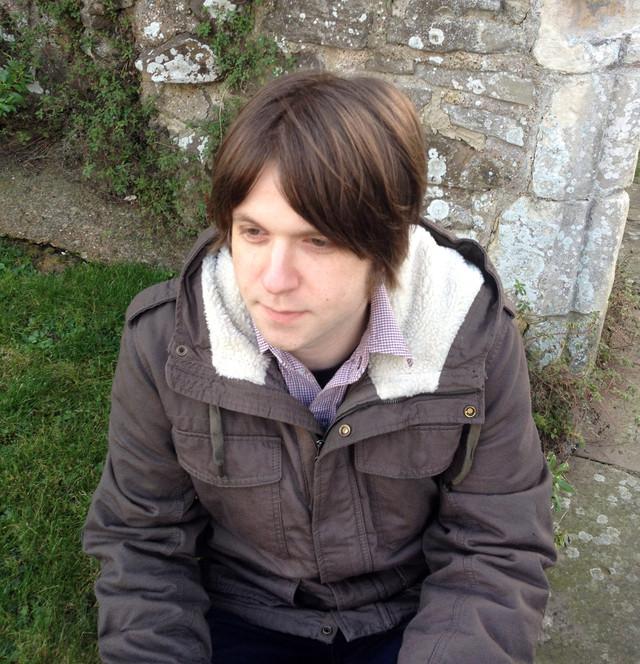
James Blackshaw

Rock
Folk Rock
Indie Folk
 Viberate Rank: 259038
 Viberate Rank: 259038
 Monthly ListenersFollowers
 Subscribers
 Followers
 Followers
 FansTop Spotify Songs
| Track | 7-Day Streams | |
|---|---|---|
1 | 1.28K | |
2 | 503 | |
3 | 385 | |
4 | 359 | |
5 | 244 |
Top YouTube VideosMonthly ListenersFeatured in Playlists| Playlist | Followers | |
|---|---|---|
1 |  Focus Music - Work | Studying | Concentration Kroschi | 112.12K |
2 | WAVR.AI | 18.83K |
3 | The Fray, One Republic, Coldplay, etc. Gelton Morada | 12.46K |
4 |  Folk Instrumental dukannstgarnix | 9.78K |
5 |  Duyster (all tracks ever played) Wike | 8.15K |
Audience| City | Monthly Listeners | |
|---|---|---|
1 | | 135 |
2 |  | 111 |
3 |  | 99 |
4 | | 77 |
5 | | 76 |
See full performance history, audience data, playlist activity, rankings, comparisons, and more in Viberate music analytics. Start with a free trial, then continue with a paid plan.
James Blackshaw’s Spotify BioA brilliant and innovative 12-string guitar player, James Blackshaw was born in 1981 in London. Another in a long string of amazing British acoustic guitar wizards, Blackshaw has been compared at various times to Bert Jansch, Davy Graham, Robbie Basho, John Fahey, Glenn Jones, Jack Rose, and Leo Kottke, among others, but his sound, often modal and based on improvising across set themes, is entirely his own. Blackshaw released several limited CD-R albums as he began his career, including 2004's Celeste and Lost Prayers and Motionless Dancers, 2005's Sunshrine, and the live Waking Into Sleep in 2006. Important Records issued O True Believers in 2006, after which Blackshaw moved to Tompkins Square Records, which released The Cloud of Unknowing in 2007 and began reissuing his back catalog (Celeste and Sunshrine both reappeared from Tompkins Square in 2008). A second Tompkins Square CD of new material, Litany of Echoes, was also issued in 2008.
Released in 2010, All Is Falling featured… Blackshaw working in the studio with electric 12-string guitar for the first time. Love Is the Plan, The Plan Is Death was released on Important in 2012. It featured Blackshaw playing nylon-string guitar, piano, Hammond B-3 organ, and vibraphone. In early 2013, he collaborated with pianist and composer Lubomyr Melnyk on the album Watchers. Later that year, he was invited by Yann Tiersen to celebrate the centenary of Louis Feuillade's silent film series Fantômas. His composed a score for Le Faux Magistrat, the fifth and final film in the series, which was performed and recorded at the Théâtre de Châtelet in Paris on Halloween. Blackshaw performed the 75-minute work with guests including drummer Simon Scott (Slowdive). It was released commercially by Tompkins Square in July of 2014.
Blackshaw changed directions again for Summoning Suns, his debut as a vocalist, singing on five of its seven tracks. It was issued by Important Records in March of 2015. ~ Steve Leggett, Rovi
Viberate is a music analytics platform built for A&Rs, artist managers, labels, booking agents, marketers, and artists.
It helps music professionals track artist growth, analyze audience data, monitor playlist activity, compare artists, follow song performance, and identify opportunities across the music market.
Public artist pages provide a free preview of selected artist data. Paid plans provide access to deeper analytics, historical data, charts, comparisons, playlist tools, exports, alerts, reports, and additional professional features.
Yes. Public Viberate artist pages provide selected artist analytics and music data for free.
Viberate also offers a 7-day free trial of the full platform. A credit card is required to start the trial. The trial includes access to the complete product so users can test deeper artist analytics, historical views, playlist insights, comparisons, charts, exports, alerts, and reporting features before choosing a paid plan.
Viberate provides artist analytics across streaming, playlists, social media, video, radio airplay, songs, and audience markets.
Users can analyze Spotify performance, Spotify and Apple Music playlists, YouTube activity, TikTok and Instagram growth, radio spins, song performance, audience locations, demographics, rankings, and overall artist momentum.
Artist profiles also connect to music charts, similar artists, and comparison tools, helping users benchmark performance and evaluate artists in context.
Viberate updates key artist and track data daily.
For followed artists and tracks, selected data is refreshed multiple times per day. This helps teams monitor playlist changes, streaming movement, audience growth, releases, and campaign performance with more current data.
Update frequency can vary depending on the metric and data source.
Yes. Viberate lets users compare up to five artists side by side across streaming, social media, audience, and engagement metrics.
Users can compare fanbase growth, audience demographics, locations, Spotify performance, social metrics, and other artist data over selected time periods.
Artist comparison can be used for A&R scouting, benchmarking, booking decisions, campaign planning, and evaluating artists with similar audiences or market positions.