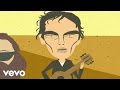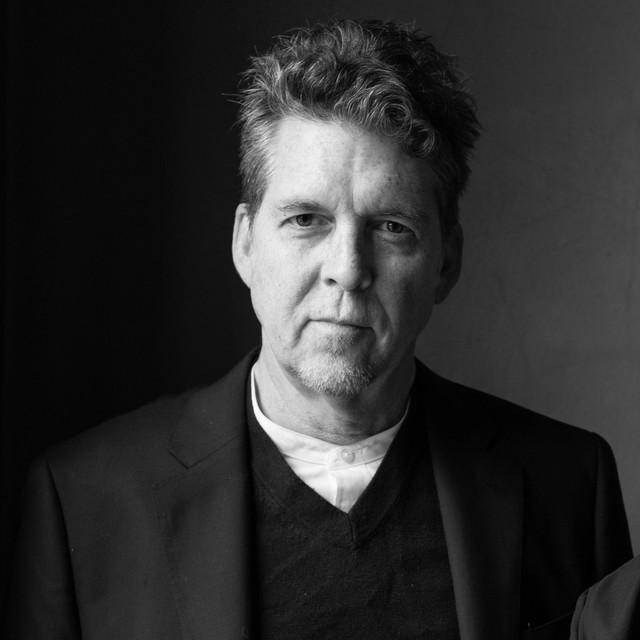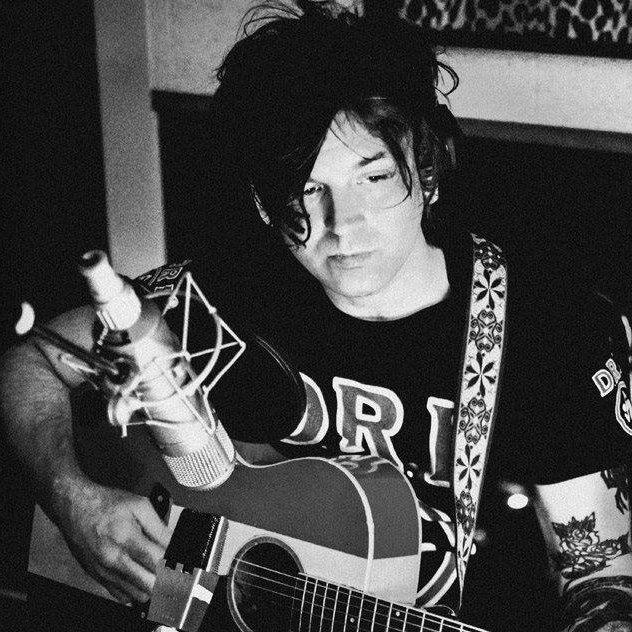
Jakob Dylan

Country
Americana/Alt Country
Jazz Blues
 Viberate Rank: 121487
 Viberate Rank: 121487
 Monthly ListenersFollowers
 Subscribers
 Followers
 Followers
 FansTop Spotify SongsTop YouTube VideosMonthly ListenersFeatured in Playlists
| Playlist | Followers | |
|---|---|---|
1 |  Fidi & Bumsi Spotify | 353.24K |
2 |  Mi casa es la tuya : Playlist Oficial Filtr Éxitos | 76.23K |
3 | Jazz · Blues · Soul · Funk · Swing Carles Sirvent | 59.35K |
4 |  Happy Chill Morning Anina Mortel | 28.80K |
5 |  Love - TV Soundtrack (A Netflix Original Series) Tyler Ortega | 28.04K |
Audience| City | Monthly Listeners | |
|---|---|---|
1 |  | 413 |
2 | | 295 |
3 |  | 243 |
4 | | 238 |
5 | | 231 |
See full performance history, audience data, playlist activity, rankings, comparisons, and more in Viberate music analytics. Start with a free trial, then continue with a paid plan.
Jakob Dylan’s Spotify BioBeing the son of one of the most influential, innovative, eccentric, and unique songwriters in the history of Western pop music probably opened some doors for Jakob Dylan, but being Bob Dylan's son was just as likely a heavy load to carry as well, and the younger Dylan handled the pressure with relative élan. Born in 1969, Jakob Dylan was raised in Los Angeles by his mother, Sara Lowndes, after his parents' divorce in 1977.
He studied at private schools in L.A. and New York, and eased into the music business during the late '80s by forming the Wallflowers with guitarist Tobi Miller, keyboard player Rami Jaffee, bassist Barrie Maguire, and drummer Peter Yanowitz. Featuring a classic heartland sound that was closer to Tom Petty & the Heartbreakers or John Mellencamp than any of Bob Dylan's work, the band signed with Virgin and released a self-titled debut album in 1992. The record sold poorly, however, and Virgin dropped the band.
Dylan assembled a second version of the Wallflowers, one in… which he and Jaffee were joined by a trio of new members -- guitarist Michael Ward, bassist Greg Richling, and drummer Mario Calire. The "new" group signed to Interscope Records and recorded an album with producer (and Dylan family friend) T Bone Burnett. Bringing Down the Horse was released in 1996, producing the alternative radio hit "6th Avenue Heartache." A second single from the same album, "One Headlight," followed later in the year, and by the spring of 1997 it had become a Top Ten hit, firmly establishing the Wallflowers as a legitimate commercial band.
While the media naturally played up Dylan's connection to his father, the Wallflowers possessed their own sound, and Jakob's similarities to his dad -- as both a singer and a songwriter -- were only occasional at best. A third single from Bringing Down the Horse, "The Difference," was issued in 1997, and the album hung on as a big seller throughout 1997. One year later, "One Headlight" won Grammys for Best Rock Song and Best Rock Performance by a Duo or Group with Vocal.
The typical next move would have been to quickly record a third album, but Dylan and the Wallflowers decided to take a long break from the studio instead. They returned in October 2000 with Breach, a fairly impressive effort that was largely ignored by mainstream radio. Red Letter Days appeared a year later in 2001, featuring a more commercial sound, and the band closed out its deal with Interscope by issuing Rebel, Sweetheart two years later.
Dylan signed a solo contract in 2006 with Columbia Records, his dad's longtime label, and issued the acoustic-based Seeing Things -- recorded by Rick Rubin at the producer's Hollywood Hills studio -- under his own name in 2008. Although the move seemingly left the status of the Wallflowers up in the air, the band reconvened one year later to tour in support of a greatest-hits album. It wasn't long before Dylan turned back to his solo career, though, and he released the sophomore effort Women + Country in 2010. ~ Steve Leggett, Rovi
Viberate is a music analytics platform built for A&Rs, artist managers, labels, booking agents, marketers, and artists.
It helps music professionals track artist growth, analyze audience data, monitor playlist activity, compare artists, follow song performance, and identify opportunities across the music market.
Public artist pages provide a free preview of selected artist data. Paid plans provide access to deeper analytics, historical data, charts, comparisons, playlist tools, exports, alerts, reports, and additional professional features.
Yes. Public Viberate artist pages provide selected artist analytics and music data for free.
Viberate also offers a 7-day free trial of the full platform. A credit card is required to start the trial. The trial includes access to the complete product so users can test deeper artist analytics, historical views, playlist insights, comparisons, charts, exports, alerts, and reporting features before choosing a paid plan.
Viberate provides artist analytics across streaming, playlists, social media, video, radio airplay, songs, and audience markets.
Users can analyze Spotify performance, Spotify and Apple Music playlists, YouTube activity, TikTok and Instagram growth, radio spins, song performance, audience locations, demographics, rankings, and overall artist momentum.
Artist profiles also connect to music charts, similar artists, and comparison tools, helping users benchmark performance and evaluate artists in context.
Viberate updates key artist and track data daily.
For followed artists and tracks, selected data is refreshed multiple times per day. This helps teams monitor playlist changes, streaming movement, audience growth, releases, and campaign performance with more current data.
Update frequency can vary depending on the metric and data source.
Yes. Viberate lets users compare up to five artists side by side across streaming, social media, audience, and engagement metrics.
Users can compare fanbase growth, audience demographics, locations, Spotify performance, social metrics, and other artist data over selected time periods.
Artist comparison can be used for A&R scouting, benchmarking, booking decisions, campaign planning, and evaluating artists with similar audiences or market positions.