Jake Andrews

Blues
Blues Rock
 Viberate Rank: 368813
 Viberate Rank: 368813
 Monthly ListenersFollowers
 Subscribers
 Followers
 Followers
 FansTop Spotify Songs
| Track | 7-Day Streams | |
|---|---|---|
1 | 162 | |
2 | 25 | |
3 | 21 | |
4 | 21 | |
5 | 21 |
Top YouTube VideosMonthly ListenersFeatured in Playlists| Playlist | Followers | |
|---|---|---|
1 |  Slow Guitar Blues Hakon Stefansson | 11.43K |
2 |  CHeard’s Instrumental Rock Mix drcheard | 5.33K |
3 | Boogie Dance Music ferdi356 | 4.34K |
4 | Bluesrock At It‘s Best Ronny | 3.69K |
5 |  Austin Blues Radio (Official) Timeless Hits Radio | 2.38K |
Audience| City | Monthly Listeners | |
|---|---|---|
1 | | 33 |
2 |  | 16 |
3 |  | 13 |
4 | | 13 |
5 |  | 12 |
See full performance history, audience data, playlist activity, rankings, comparisons, and more in Viberate music analytics. Start with a free trial, then continue with a paid plan.
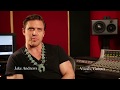
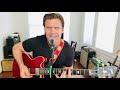
Jake Andrews’ Spotify BioBorn and raised in Austin, Texas, Andrews began playing guitar at age 5, taught by his father, John Andrews of the 60's Roots Band Mother Earth. Since the age of 8 he has been trading licks with and opening for such masters as Albert King, B.B. King, Albert Collins, Buddy Guy, Otis Rush, and Jimmie Vaughan, starting at his hometown’s legendary club Antone’s. By his early teens he was wowing audiences and fellow musicians at such premier blues venues as B.B. King's in Memphis and Los Angeles and Slim's in San Francisco. He has performed at major festivals such as the San Francisco Blues Festival and Madison Blues Festival with Ray Charles. Andrews has been featured on CBS, Austin City Limits, Guitar Player, Texas Monthly and Vintage Guitar among numerous other publications. Jake has toured and played with artists including the Allman Brothers, The Doobie Brothers, Susan Tedeschi, Boz Scaggs, Buddy Guy, Gary Clark Jr. and George Thorogood.
In 2017 Jake released his newest album “In The… Shadows”. The album delivers a 21st century wall of sound-heavy songs and intense vocals make for a powerful, tough, rockin’ guitar heaven. Leaning more towards rock than blues, “In The Shadows” is not for the faint of heart. The title track is tailor made for rock-radio and has the potential to be a breakout hit.
Viberate is a music analytics platform built for A&Rs, artist managers, labels, booking agents, marketers, and artists.
It helps music professionals track artist growth, analyze audience data, monitor playlist activity, compare artists, follow song performance, and identify opportunities across the music market.
Public artist pages provide a free preview of selected artist data. Paid plans provide access to deeper analytics, historical data, charts, comparisons, playlist tools, exports, alerts, reports, and additional professional features.
Yes. Public Viberate artist pages provide selected artist analytics and music data for free.
Viberate also offers a 7-day free trial of the full platform. A credit card is required to start the trial. The trial includes access to the complete product so users can test deeper artist analytics, historical views, playlist insights, comparisons, charts, exports, alerts, and reporting features before choosing a paid plan.
Viberate provides artist analytics across streaming, playlists, social media, video, radio airplay, songs, and audience markets.
Users can analyze Spotify performance, Spotify and Apple Music playlists, YouTube activity, TikTok and Instagram growth, radio spins, song performance, audience locations, demographics, rankings, and overall artist momentum.
Artist profiles also connect to music charts, similar artists, and comparison tools, helping users benchmark performance and evaluate artists in context.
Viberate updates key artist and track data daily.
For followed artists and tracks, selected data is refreshed multiple times per day. This helps teams monitor playlist changes, streaming movement, audience growth, releases, and campaign performance with more current data.
Update frequency can vary depending on the metric and data source.
Yes. Viberate lets users compare up to five artists side by side across streaming, social media, audience, and engagement metrics.
Users can compare fanbase growth, audience demographics, locations, Spotify performance, social metrics, and other artist data over selected time periods.
Artist comparison can be used for A&R scouting, benchmarking, booking decisions, campaign planning, and evaluating artists with similar audiences or market positions.