Jahn Dough

Hip Hop
Contemporary Hip Hop
 Viberate Rank: 407563
 Viberate Rank: 407563
 Monthly ListenersFollowers
 Subscribers
 Followers
 Followers
 FansTop Spotify Songs
| Track | 7-Day Streams | |
|---|---|---|
1 | 13 | |
2 | 6 | |
3 | 6 | |
4 | 5 | |
5 | 5 |
Top YouTube VideosMonthly ListenersFeatured in Playlists| Playlist | Followers | |
|---|---|---|
1 |  Ethereal Vibrations MINTAGE RADIO | 19.70K |
2 |  hola Slimb | 13.20K |
3 |  All American Soundtrack CW em461125 | 7.48K |
4 |  “music and mystique” JAYLION | 4.05K |
5 |  Songs You Should Know About FOUR CORNERS | 3.17K |
Audience| City | Monthly Listeners | |
|---|---|---|
1 | | 13 |
2 | | 5 |
3 | | 4 |
4 | | 4 |
5 | | 3 |
See full performance history, audience data, playlist activity, rankings, comparisons, and more in Viberate music analytics. Start with a free trial, then continue with a paid plan.
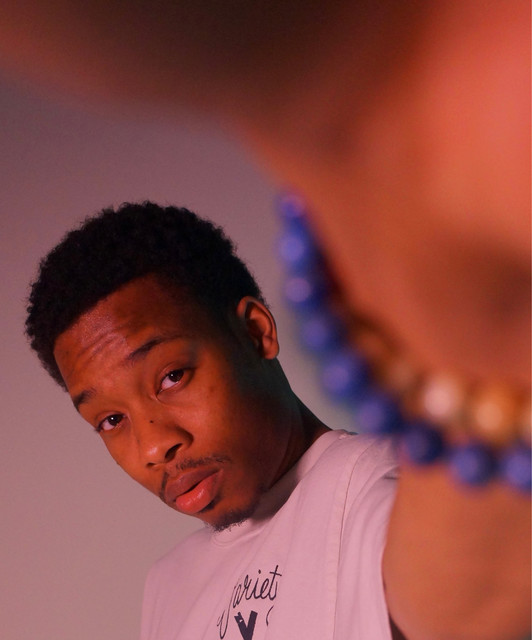
Jahn Dough’s Spotify BioFrom an early age, California native Jahn Dough found joy and understanding within music. Born Devin Parhms, Jahn Dough remembers vibing to music of all genres, from both west and east coast hip hop to jazz and blues. His early hip hop influences include Spice 1, Xzibit, MC Eiht, DJ Quik, Biggie, and E-40 to name a few. Specifically, Jahn Dough credits his eclectic taste to the influence of his older brother, Darnell. They would listen to hip hop from all eras while driving around in the car, windows down – it was then when Jahn Dough began rapping, memorizing Dr. Dre’s “2001” from top to bottom.
In 2007, Jahn Dough moved to Texas. Once there, he began to grow an appreciation for southern music in artists like OutKast, 36 Mafia and UGK. Jahn Dough began experimenting with his own sound in early junior high through writing music. He recorded his first mix tape as a senior in high school. Throughout college, he continued writing and recording, developing and honing his writing ability and… sound. For Jahn Dough, music has always been a way to escape and release from his external environment. He’s grown a love for the creative process and enjoys the freedom it brings him, both with writing and experimenting with many different sounds.
His goal has always been to be as authentic as possible, and relate to his audience. Jahn Dough wants to share with his fans his story and how that has influenced how he views this world.
Viberate is a music analytics platform built for A&Rs, artist managers, labels, booking agents, marketers, and artists.
It helps music professionals track artist growth, analyze audience data, monitor playlist activity, compare artists, follow song performance, and identify opportunities across the music market.
Public artist pages provide a free preview of selected artist data. Paid plans provide access to deeper analytics, historical data, charts, comparisons, playlist tools, exports, alerts, reports, and additional professional features.
Yes. Public Viberate artist pages provide selected artist analytics and music data for free.
Viberate also offers a 7-day free trial of the full platform. A credit card is required to start the trial. The trial includes access to the complete product so users can test deeper artist analytics, historical views, playlist insights, comparisons, charts, exports, alerts, and reporting features before choosing a paid plan.
Viberate provides artist analytics across streaming, playlists, social media, video, radio airplay, songs, and audience markets.
Users can analyze Spotify performance, Spotify and Apple Music playlists, YouTube activity, TikTok and Instagram growth, radio spins, song performance, audience locations, demographics, rankings, and overall artist momentum.
Artist profiles also connect to music charts, similar artists, and comparison tools, helping users benchmark performance and evaluate artists in context.
Viberate updates key artist and track data daily.
For followed artists and tracks, selected data is refreshed multiple times per day. This helps teams monitor playlist changes, streaming movement, audience growth, releases, and campaign performance with more current data.
Update frequency can vary depending on the metric and data source.
Yes. Viberate lets users compare up to five artists side by side across streaming, social media, audience, and engagement metrics.
Users can compare fanbase growth, audience demographics, locations, Spotify performance, social metrics, and other artist data over selected time periods.
Artist comparison can be used for A&R scouting, benchmarking, booking decisions, campaign planning, and evaluating artists with similar audiences or market positions.