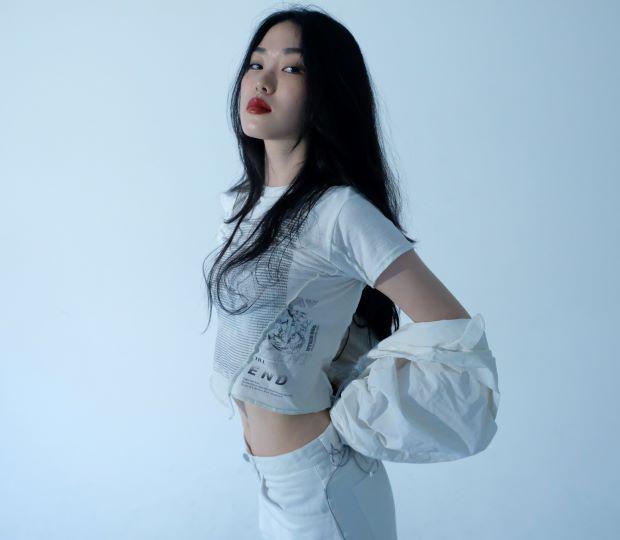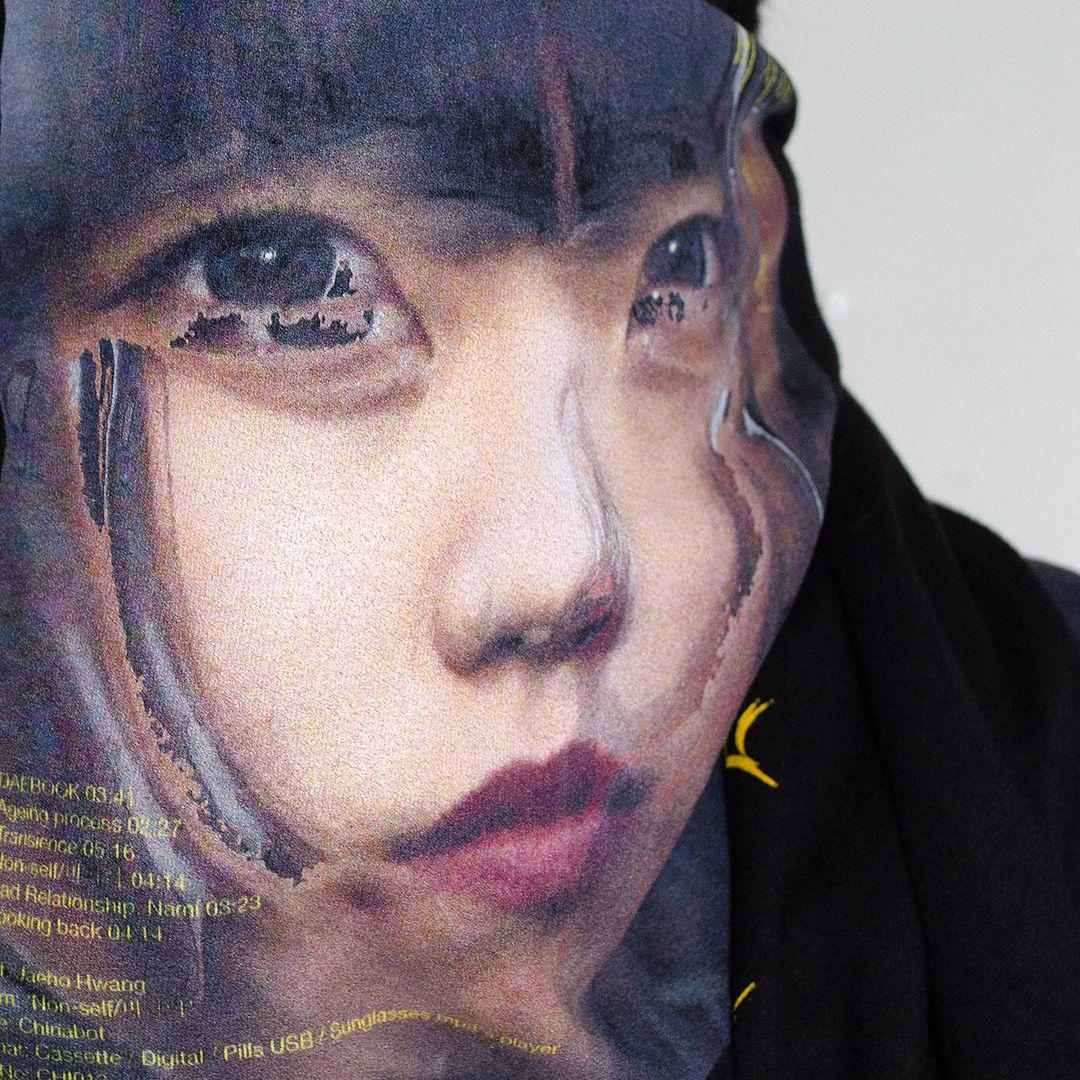
Jaeho Hwang

Electronic
Other Electronic Music
Downtempo
 Viberate Rank: 450195
 Viberate Rank: 450195
 Monthly ListenersFollowers
 Subscribers
 Followers
 Followers
 FansTop Spotify Songs
| Track | 7-Day Streams | |
|---|---|---|
1 | 18 | |
2 | 6 | |
3 | 6 | |
4 | 5 | |
5 | 5 |
Top YouTube VideosMonthly ListenersFeatured in Playlists| Playlist | Followers | |
|---|---|---|
1 |  deconstructed club /// post club w҉e҉n҉d҉e҉l҉i҉n҉ | 2.38K |
2 |  Deconstructed Club // Post-Club, Avant Club, Grime, Club not Club, Post-Industrial Tsunaki Kadowaki 🐾 | 1.65K |
3 |  Experimental julien | 1.40K |
Audience| City | Monthly Listeners | |
|---|---|---|
1 |  | 6 |
2 |  | 4 |
See full performance history, audience data, playlist activity, rankings, comparisons, and more in Viberate music analytics. Start with a free trial, then continue with a paid plan.
Jaeho Hwang’s Spotify BioJaeho Hwang is a London-based, South Korean composer and visual artist inspired by the Buddhist concept of impermanent selfhood, his first EP combines dark, industrial club beats with traditional Korean instruments and samples. He explores his sense of identity in the digital age as refracted through the Buddhist concept of anatta, or non-self—the belief that there is no unchanging, permanent soul or essence in living beings.
Jaeho draws from the dark, stuttering beats from London’s experimental club scene—harsh industrial sounds recall no-wave’s minimalist deconstruction. His use of traditional Korean instruments within this context, like the piri bamboo flute, or the stringed kayagum, recast traditional textures into modern form. On Sad Relationship, Jaeho samples the famous 80s South Korean pop ballad of the same name. The song glitches like a memory, warped and torn by an electronic tumult, and haunted by the original’s sentimental melody.
Viberate is a music analytics platform built for A&Rs, artist managers, labels, booking agents, marketers, and artists.
It helps music professionals track artist growth, analyze audience data, monitor playlist activity, compare artists, follow song performance, and identify opportunities across the music market.
Public artist pages provide a free preview of selected artist data. Paid plans provide access to deeper analytics, historical data, charts, comparisons, playlist tools, exports, alerts, reports, and additional professional features.
Yes. Public Viberate artist pages provide selected artist analytics and music data for free.
Viberate also offers a 7-day free trial of the full platform. A credit card is required to start the trial. The trial includes access to the complete product so users can test deeper artist analytics, historical views, playlist insights, comparisons, charts, exports, alerts, and reporting features before choosing a paid plan.
Viberate provides artist analytics across streaming, playlists, social media, video, radio airplay, songs, and audience markets.
Users can analyze Spotify performance, Spotify and Apple Music playlists, YouTube activity, TikTok and Instagram growth, radio spins, song performance, audience locations, demographics, rankings, and overall artist momentum.
Artist profiles also connect to music charts, similar artists, and comparison tools, helping users benchmark performance and evaluate artists in context.
Viberate updates key artist and track data daily.
For followed artists and tracks, selected data is refreshed multiple times per day. This helps teams monitor playlist changes, streaming movement, audience growth, releases, and campaign performance with more current data.
Update frequency can vary depending on the metric and data source.
Yes. Viberate lets users compare up to five artists side by side across streaming, social media, audience, and engagement metrics.
Users can compare fanbase growth, audience demographics, locations, Spotify performance, social metrics, and other artist data over selected time periods.
Artist comparison can be used for A&R scouting, benchmarking, booking decisions, campaign planning, and evaluating artists with similar audiences or market positions.