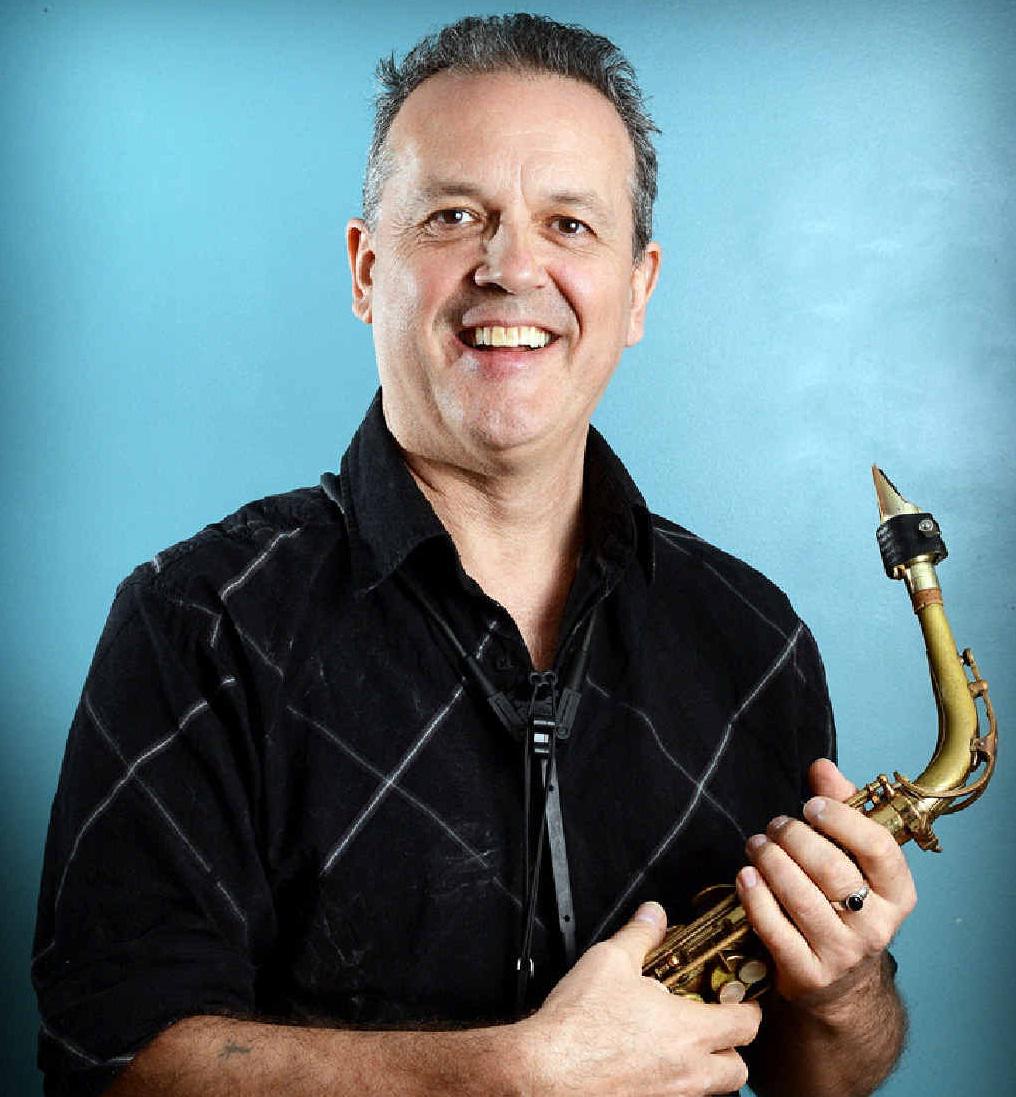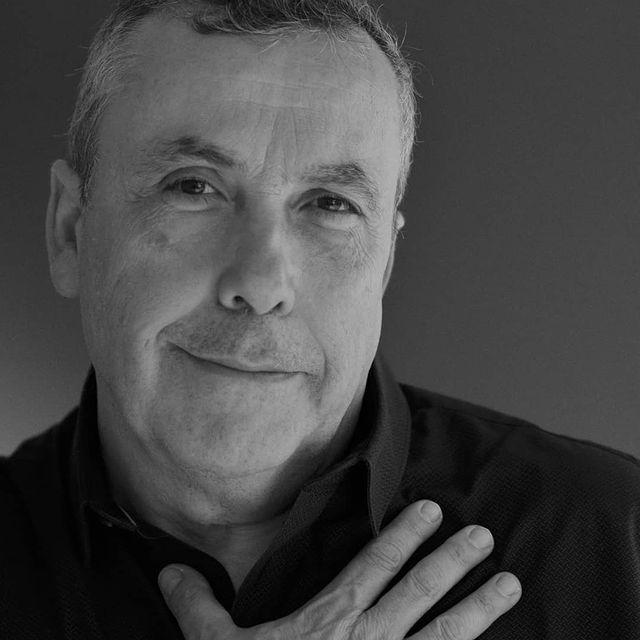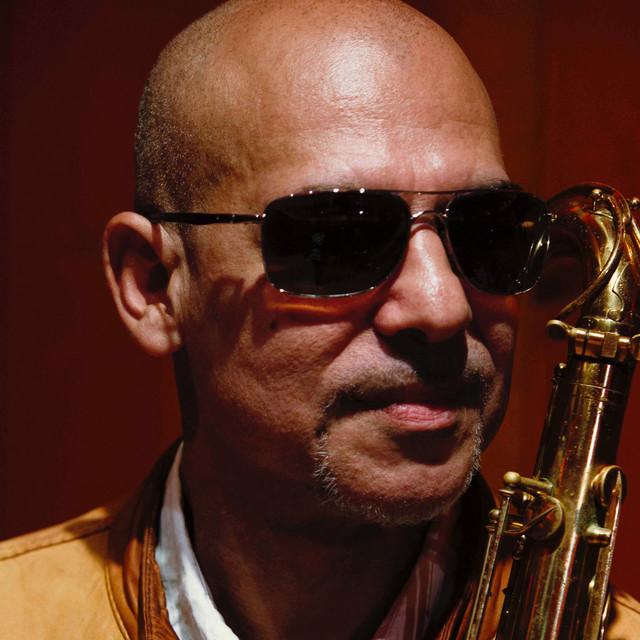
Jacques Schwarz-Bart
Jazz
Jazz Fusion
 Viberate Rank: 254088
 Viberate Rank: 254088
 Monthly ListenersFollowers
 Subscribers
 Followers
 Followers
 FansTop Spotify Songs
| Track | 7-Day Streams | |
|---|---|---|
1 | 199 | |
2 | 132 | |
3 | 100 | |
4 | 86 | |
5 | 65 |
Top YouTube VideosMonthly ListenersFeatured in Playlists| Playlist | Followers | |
|---|---|---|
1 |  Gnaoua Festival 2026: Official Playlist Spotify | 16.52K |
2 |  Contemporary Jazz Vibes SonicLume | 7.99K |
3 |  Jazz Brasil | Jazz Brasileiro | Brazilian Jazz Fran Rosas | 3.30K |
4 |  Mysterious Universe (music from) pigwink | 2.59K |
5 |  Serious Jazz Listener : modal free avant hard post bop malaparte | 2.06K |
Audience| City | Monthly Listeners | |
|---|---|---|
1 |  | 57 |
2 |  | 25 |
3 | | 23 |
4 | | 23 |
5 | | 22 |
See full performance history, audience data, playlist activity, rankings, comparisons, and more in Viberate music analytics. Start with a free trial, then continue with a paid plan.
Jacques Schwarz-Bart’s Spotify BioSaxophonist Jacques Schwarz-Bart is an ambitious performer with a vibrantly cross-pollinated sound informed by post-bop jazz, the percussive gwo ka rhythms of his native Guadeloupe, and R&B. An original member of Roy Hargrove's RH Factor, Schwarz-Bart has performed with a bevy of artists, including D'Angelo, Danilo Perez, Chucho Valdes, and Meshell Ndegeocello, among others. His own albums, like 2007's Soné Ka La, 2014's Jazz Racine Haiti, and 2018's Hazzan, have found him moving deftly from Afro-Caribbean and neo-soul sounds to Vodou traditions and Jewish liturgical music. In 2020, he further explored his hybrid gwo ka jazz style with Soné Ka La 2: Odyssey.
Born in 1962 in Les Abymes, Guadeloupe, Schwarz-Bart grew up in a creative family, the son of two award-winning writers, Black Guadeloupean novelist Simone Schwarz-Bart and French-Jewish author André Schwarz-Bart. As a child, he learned how to play the gwo ka drum with percussion master Anzala and became exposed to the French… Antillean biguine style of music. It was around age six that he first became interested in jazz and eventually taught himself how to play guitar by playing along to records. Although music was his passion, he initially headed towards politics, graduating from the Paris Institute of Political Studies (Sciences Po) and working for a time in the French Senate. It was during this period that he picked up the tenor saxophone. At age 27, he left his job to study at Boston's Berklee School of Music. There, he embarked on a fruitful performance career, collaborating with global-minded luminaries like Roy Hargrove and D'Angelo as well as Danilo Perez, Chucho Valdes, Ari Hoenig, and many others. In 1999, Schwarz-Bart made his solo debut with Immersion, a modal jazz album featuring pianist James Hurt. There were also recordings with guitarist Fernando Huergo, Hargrove's hip-hop-influenced RH Factor, Meshell Ndegeocello, Soulive, and more.
Following his time with Hargrove, Schwarz-Bart founded his own expansive ensemble, incorporating jazz, hip-hop, and R&B with Guadeloupean gwo ka rhythmic traditions. The group released two critically-lauded albums for Universal, 2007's Soné Ka La and 2008's Abyss. In 2010, he returned with another cross-pollinated album, the Caribbean jazz- and neo-soul-infused Rise Above, which featured his wife, former Brooklyn Funk Essentials singer Stephanie McKay. In 2012, he released The Art of Dreaming, which featured his longtime quartet with pianist Baptiste Trotignon, bassist Thomas Bramerie, and drummer Hans van Oosterhout.
Jazz Racine Haiti arrived in 2014 and found the saxophonist combining his contemporary jazz with Haitian traditions, including musique rasin and ritualistic Vodou music. It featured contributions by Vodou priests, singer Errol Josué, and percussionist Gaston Bonga, along with appearances by trumpeter Etienne Charles, drummer Obed Calvaire, bassist Luques Curtis, and keyboardist Milan Milanovic. Another quartet date, Hazzan, followed in 2018 and featured Schwarz-Bart's reinterpretation of Jewish liturgical chants. In 2020, he returned to his gwo ka and Caribbean-influenced sound with Soné Ka La 2: Odyssey. Along with contributions by singer Malika Tirolien, it featured pianist Grégory Privat, bassist Reggie Washington, drummer Arnaud Dolmen, and percussionist Sonny Troupé. ~ Matt Collar, Rovi
Viberate is a music analytics platform built for A&Rs, artist managers, labels, booking agents, marketers, and artists.
It helps music professionals track artist growth, analyze audience data, monitor playlist activity, compare artists, follow song performance, and identify opportunities across the music market.
Public artist pages provide a free preview of selected artist data. Paid plans provide access to deeper analytics, historical data, charts, comparisons, playlist tools, exports, alerts, reports, and additional professional features.
Yes. Public Viberate artist pages provide selected artist analytics and music data for free.
Viberate also offers a 7-day free trial of the full platform. A credit card is required to start the trial. The trial includes access to the complete product so users can test deeper artist analytics, historical views, playlist insights, comparisons, charts, exports, alerts, and reporting features before choosing a paid plan.
Viberate provides artist analytics across streaming, playlists, social media, video, radio airplay, songs, and audience markets.
Users can analyze Spotify performance, Spotify and Apple Music playlists, YouTube activity, TikTok and Instagram growth, radio spins, song performance, audience locations, demographics, rankings, and overall artist momentum.
Artist profiles also connect to music charts, similar artists, and comparison tools, helping users benchmark performance and evaluate artists in context.
Viberate updates key artist and track data daily.
For followed artists and tracks, selected data is refreshed multiple times per day. This helps teams monitor playlist changes, streaming movement, audience growth, releases, and campaign performance with more current data.
Update frequency can vary depending on the metric and data source.
Yes. Viberate lets users compare up to five artists side by side across streaming, social media, audience, and engagement metrics.
Users can compare fanbase growth, audience demographics, locations, Spotify performance, social metrics, and other artist data over selected time periods.
Artist comparison can be used for A&R scouting, benchmarking, booking decisions, campaign planning, and evaluating artists with similar audiences or market positions.