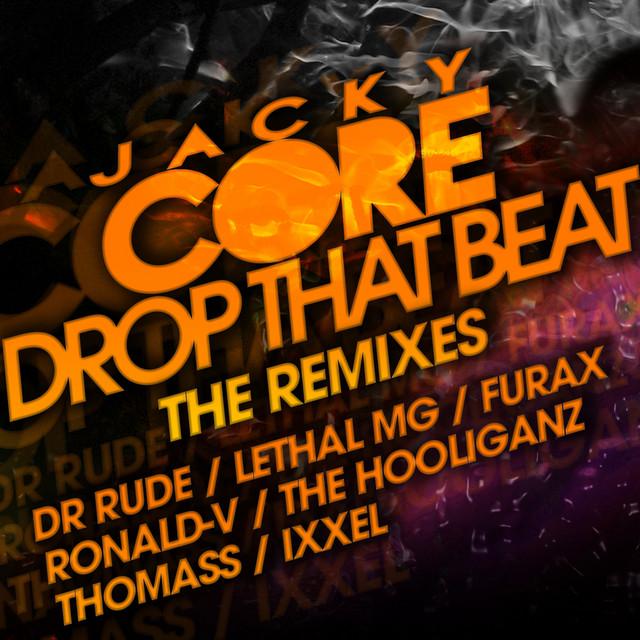
Jacky Core

Electronic
Dance
 Viberate Rank: 227440
 Viberate Rank: 227440
 Monthly ListenersFollowers
 Subscribers
 Followers
 Followers
 FansTop Spotify Songs
| Track | 7-Day Streams | |
|---|---|---|
1 | 17.34K | |
2 | 5.00K | |
3 | 4.37K | |
4 | 3.23K | |
5 | 2.76K |
Top YouTube VideosMonthly ListenersFeatured in Playlists| Playlist | Followers | |
|---|---|---|
1 |  Retro 1990-2000 - House/Trance/Techno/Acid - Belgium Florian Vansteene | 25.16K |
2 |  Jumpstyle 2027 | Flashback Festival playlist HARDCULTR.COM | 16.22K |
3 | Retro house 90’s Kristof | 14.54K |
4 |  Retro Belgium 1992 2002 - Techno Trance - Lagoa - H20 - Captain - Cherry Moon - Belgique davidmilles | 12.07K |
5 |  CAP'TAIN 1993-2026 Kill'Pin (MYKE REBEL) | 10.60K |
Audience| City | Monthly Listeners | |
|---|---|---|
1 | | 2.62K |
2 |  | 1.27K |
3 | | 1.10K |
4 |  | 1.01K |
5 | | 702 |
See full performance history, audience data, playlist activity, rankings, comparisons, and more in Viberate music analytics. Start with a free trial, then continue with a paid plan.
Jacky Core’s Spotify BioA Belgium-based house and trance DJ who got his start while still in his teens, Jacky Core (born Jacky Aru) first made a name for himself in 1987 at a DJ contest. In the early days, Jacky went by the performance name of Twins, and was signed to Diki Records. In 1993, he got a residency at the club Complexe Cap'tain, a job that he maintained throughout most of his career. Outside of his mixes and DJ work, Jacky also built up a name in production, starting the recording company Kytezo in 2004. This would end up becoming an umbrella label under which labels like Kaktus and artists such as Klash, Major Bryce, and Fog System (to name but a few) would be signed. A collection of his work at the Cap'tain was released to great success on the French charts in 2007. ~ Chris True, Rovi
Viberate is a music analytics platform built for A&Rs, artist managers, labels, booking agents, marketers, and artists.
It helps music professionals track artist growth, analyze audience data, monitor playlist activity, compare artists, follow song performance, and identify opportunities across the music market.
Public artist pages provide a free preview of selected artist data. Paid plans provide access to deeper analytics, historical data, charts, comparisons, playlist tools, exports, alerts, reports, and additional professional features.
Yes. Public Viberate artist pages provide selected artist analytics and music data for free.
Viberate also offers a 7-day free trial of the full platform. A credit card is required to start the trial. The trial includes access to the complete product so users can test deeper artist analytics, historical views, playlist insights, comparisons, charts, exports, alerts, and reporting features before choosing a paid plan.
Viberate provides artist analytics across streaming, playlists, social media, video, radio airplay, songs, and audience markets.
Users can analyze Spotify performance, Spotify and Apple Music playlists, YouTube activity, TikTok and Instagram growth, radio spins, song performance, audience locations, demographics, rankings, and overall artist momentum.
Artist profiles also connect to music charts, similar artists, and comparison tools, helping users benchmark performance and evaluate artists in context.
Viberate updates key artist and track data daily.
For followed artists and tracks, selected data is refreshed multiple times per day. This helps teams monitor playlist changes, streaming movement, audience growth, releases, and campaign performance with more current data.
Update frequency can vary depending on the metric and data source.
Yes. Viberate lets users compare up to five artists side by side across streaming, social media, audience, and engagement metrics.
Users can compare fanbase growth, audience demographics, locations, Spotify performance, social metrics, and other artist data over selected time periods.
Artist comparison can be used for A&R scouting, benchmarking, booking decisions, campaign planning, and evaluating artists with similar audiences or market positions.