Jace Campbell

Rock
Alternative Rock
 Viberate Rank: 582383
 Viberate Rank: 582383
 Monthly ListenersFollowers
 Subscribers
 Followers
 Followers
 FansTop Spotify Songs
| Track | 7-Day Streams | |
|---|---|---|
1 | 14 | |
2 | 11 | |
3 | 4 | |
4 | 4 | |
5 | 3 |
Top YouTube VideosMonthly ListenersFeatured in PlaylistsAudience| City | Monthly Listeners | |
|---|---|---|
1 | | 14 |
2 | | 3 |
3 | | 3 |
4 | | 3 |
See full performance history, audience data, playlist activity, rankings, comparisons, and more in Viberate music analytics. Start with a free trial, then continue with a paid plan.
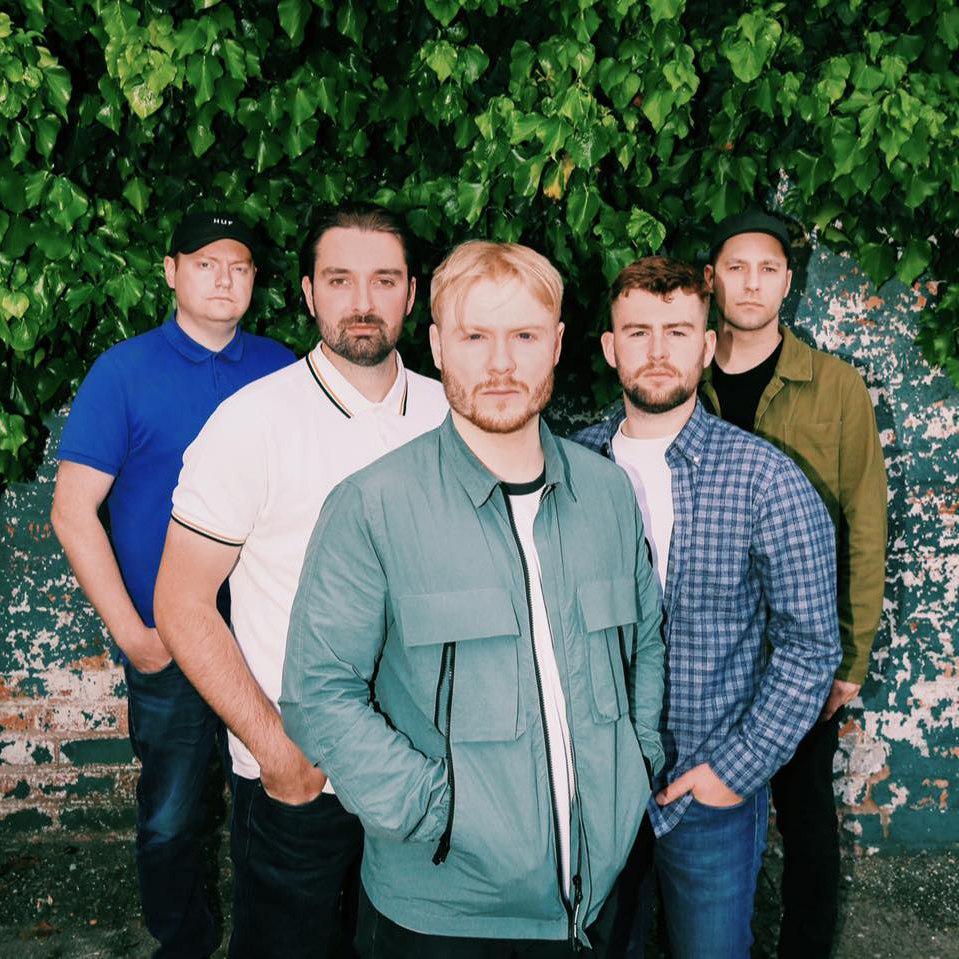
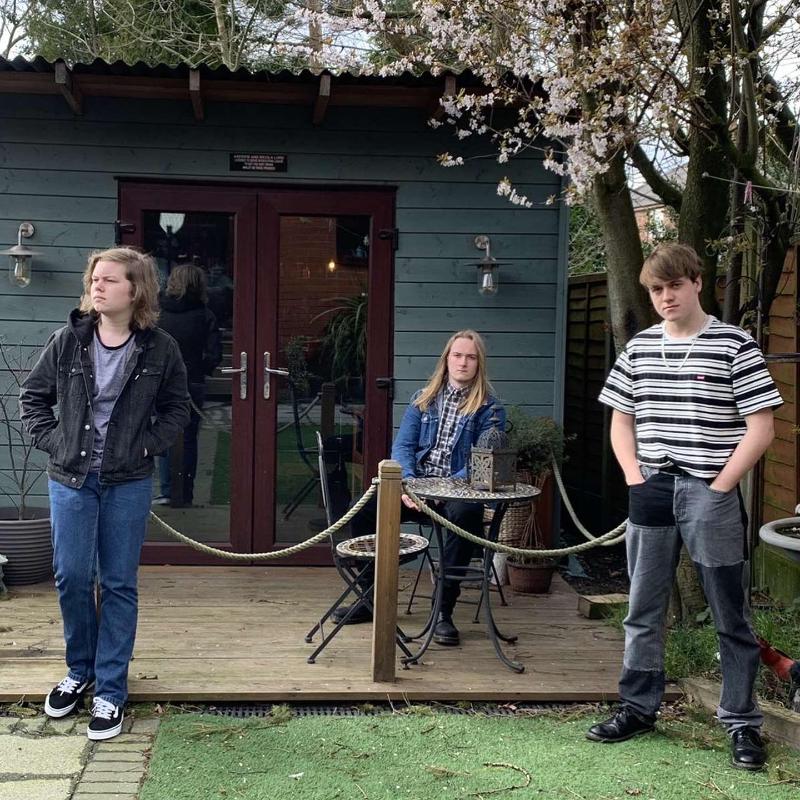
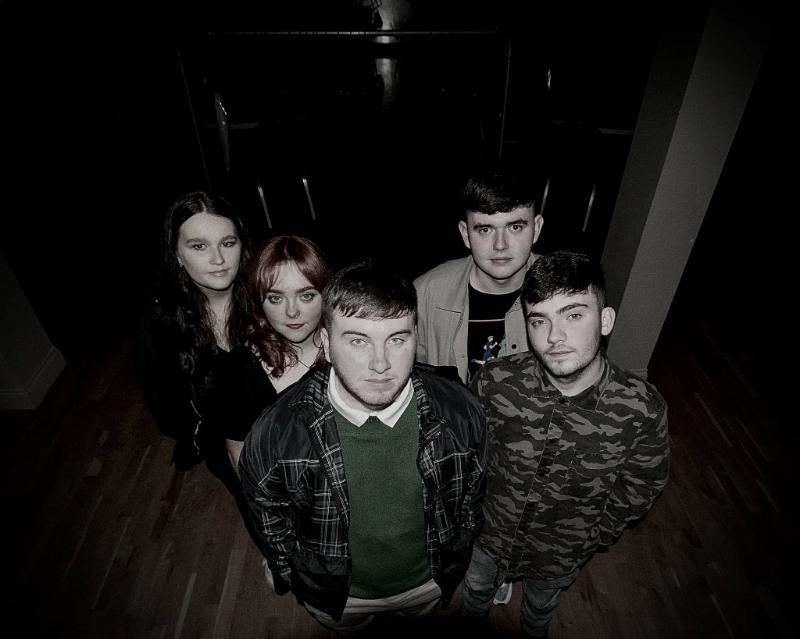
Jace Campbell’s Spotify BioJace Campbell is a 22-year-old artist from Salford, Greater Manchester, blending ambient guitar with Britpop-esque melodies, big choruses, and guitar-driven tracks coloured by a true northern twang. His songs mix kitchen-sink realism with poetic, clever lyricism.
Jace picked up guitar at 13 and cut his teeth playing gigs across Salford and Manchester. During Covid he posted daily covers on X, gaining interactions from Liam Gallagher, Tim Burgess and Gary Neville. After lockdown his original “History is History!”, about Salford losing historic landmarks, went viral locally and featured in Salford City News.
His debut single “Lost” (2021), released at 17, hit #4 on the iTunes Alternative chart and now has near 20k streams. “History is History!” and “You’ve Only Done It for the Love” followed. He supported Jonny Brown (Twisted Wheel) and played Shiiine On Weekender.
In 2024 he released his debut EP “The Ballad of the Dirty Irwell,” with tracks like “Stone Cold” and “What Will It Take? (For… You)” earning plays on XS Manchester and BBC Radio London. He also released a Christmas single.
Jace has worked with promoters including Scruff of the Neck and This Feeling, playing The Deaf Institute, Manchester Academy 3 and selling out Off The Square. He’s modelled for Terrace Cult and helped launch Salford City’s Adidas jacket with Salford Lads Club.
With a second EP due in 2026 and momentum behind singles “Pep Talk” and “Lipstick”—Jace Campbell is on the rise.
Viberate is a music analytics platform built for A&Rs, artist managers, labels, booking agents, marketers, and artists.
It helps music professionals track artist growth, analyze audience data, monitor playlist activity, compare artists, follow song performance, and identify opportunities across the music market.
Public artist pages provide a free preview of selected artist data. Paid plans provide access to deeper analytics, historical data, charts, comparisons, playlist tools, exports, alerts, reports, and additional professional features.
Yes. Public Viberate artist pages provide selected artist analytics and music data for free.
Viberate also offers a 7-day free trial of the full platform. A credit card is required to start the trial. The trial includes access to the complete product so users can test deeper artist analytics, historical views, playlist insights, comparisons, charts, exports, alerts, and reporting features before choosing a paid plan.
Viberate provides artist analytics across streaming, playlists, social media, video, radio airplay, songs, and audience markets.
Users can analyze Spotify performance, Spotify and Apple Music playlists, YouTube activity, TikTok and Instagram growth, radio spins, song performance, audience locations, demographics, rankings, and overall artist momentum.
Artist profiles also connect to music charts, similar artists, and comparison tools, helping users benchmark performance and evaluate artists in context.
Viberate updates key artist and track data daily.
For followed artists and tracks, selected data is refreshed multiple times per day. This helps teams monitor playlist changes, streaming movement, audience growth, releases, and campaign performance with more current data.
Update frequency can vary depending on the metric and data source.
Yes. Viberate lets users compare up to five artists side by side across streaming, social media, audience, and engagement metrics.
Users can compare fanbase growth, audience demographics, locations, Spotify performance, social metrics, and other artist data over selected time periods.
Artist comparison can be used for A&R scouting, benchmarking, booking decisions, campaign planning, and evaluating artists with similar audiences or market positions.