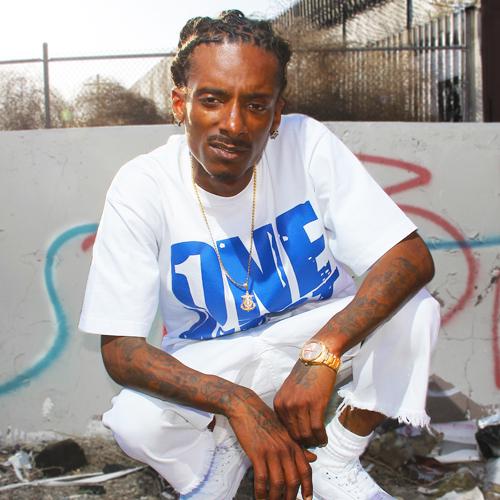
J. Davi$

Hip Hop
Contemporary Hip Hop
 Viberate Rank: 39134
 Viberate Rank: 39134
 Monthly ListenersFollowers
 Subscribers
 Followers
 Followers
 FansTop Spotify Songs
| Track | 7-Day Streams | |
|---|---|---|
1 | 974.03K | |
2 | 587 | |
3 | 360 | |
4 | 77 | |
5 | 63 |
Top YouTube Videos| Video | 7-Day Views | |
|---|---|---|
1 | 469 | |
2 | 10 |
Monthly ListenersFeatured in Playlists| Playlist | Followers | |
|---|---|---|
1 |  BILLIONS CLUB Spotify | 985.00K |
2 |  Best Rap Songs of All Time IndieMassive Hits | 510.81K |
3 |  Rap Hits (2010 - 2023) Membrives | 389.50K |
4 |  2010s Hip-Hop Spotify | 388.72K |
5 |  Rap Hits 2010-2026 ES-A | 348.92K |
Audience| City | Monthly Listeners | |
|---|---|---|
1 | | 26 |
2 | | 12 |
3 | | 9 |
4 | | 9 |
5 | | 8 |
See full performance history, audience data, playlist activity, rankings, comparisons, and more in Viberate music analytics. Start with a free trial, then continue with a paid plan.
J. Davi$’s Spotify BioRapper Javan Davis is known for his featured verse on Rob $tone's Top 30 pop hit "Chill Bill." Davis had taken a taken a liking to an instrumental produced by Purp Dogg -- a slow, booming track with a whistling melody sampled from Bernard Herrmann's theme for the 1968 film Twisted Nerve, later heard in Quentin Tarantino's Kill Bill, Vol. 1 -- and brought it to $tone's attention. $tone recorded some escapade-inspired rhymes over the beat and added fellow rappers Davis and Spooks as featured artists. Originally released independently in 2015, the track was licensed by major-label RCA, which propelled it onto the Billboard charts the following year. By the end of that November, it cracked the Top 30 of the Hot 100 and the Top Ten of Hot Rap Songs, and was included on the streaming playlist The RCA-List. Davis, like $tone, is a member of 1207, a collective based in the San Diego Country, California town of Lemon Grove. ~ Andy Kellman, Rovi
Viberate is a music analytics platform built for A&Rs, artist managers, labels, booking agents, marketers, and artists.
It helps music professionals track artist growth, analyze audience data, monitor playlist activity, compare artists, follow song performance, and identify opportunities across the music market.
Public artist pages provide a free preview of selected artist data. Paid plans provide access to deeper analytics, historical data, charts, comparisons, playlist tools, exports, alerts, reports, and additional professional features.
Yes. Public Viberate artist pages provide selected artist analytics and music data for free.
Viberate also offers a 7-day free trial of the full platform. A credit card is required to start the trial. The trial includes access to the complete product so users can test deeper artist analytics, historical views, playlist insights, comparisons, charts, exports, alerts, and reporting features before choosing a paid plan.
Viberate provides artist analytics across streaming, playlists, social media, video, radio airplay, songs, and audience markets.
Users can analyze Spotify performance, Spotify and Apple Music playlists, YouTube activity, TikTok and Instagram growth, radio spins, song performance, audience locations, demographics, rankings, and overall artist momentum.
Artist profiles also connect to music charts, similar artists, and comparison tools, helping users benchmark performance and evaluate artists in context.
Viberate updates key artist and track data daily.
For followed artists and tracks, selected data is refreshed multiple times per day. This helps teams monitor playlist changes, streaming movement, audience growth, releases, and campaign performance with more current data.
Update frequency can vary depending on the metric and data source.
Yes. Viberate lets users compare up to five artists side by side across streaming, social media, audience, and engagement metrics.
Users can compare fanbase growth, audience demographics, locations, Spotify performance, social metrics, and other artist data over selected time periods.
Artist comparison can be used for A&R scouting, benchmarking, booking decisions, campaign planning, and evaluating artists with similar audiences or market positions.