Izza Kizza

Hip Hop
Trap
 Viberate Rank: 559152
 Viberate Rank: 559152
 Monthly ListenersFollowers
 Subscribers
 Followers
 Followers
 FansTop Spotify Songs
| Track | 7-Day Streams | |
|---|---|---|
1 | 144 | |
2 | 84 | |
3 | 84 | |
4 | 64 | |
5 | 60 |
Top YouTube Videos| Video | 7-Day Views | |
|---|---|---|
1 | 1 |
Monthly ListenersFeatured in Playlists| Playlist | Followers | |
|---|---|---|
1 | girlbossnetflix | 21.63K |
2 | House, Dubstep, Hiphop, pop osv Kid Cudi | 7.76K |
3 |  Madden NFL 2003-27 Soundtrack magickassassin | 7.29K |
4 |  Turntablism, Scratch, Beats, DJ arensan | 6.52K |
5 | Popping music 1242001450 | 4.64K |
Audience| City | Monthly Listeners | |
|---|---|---|
1 | | 20 |
2 | | 14 |
3 | | 10 |
4 | | 10 |
5 | | 8 |
See full performance history, audience data, playlist activity, rankings, comparisons, and more in Viberate music analytics. Start with a free trial, then continue with a paid plan.
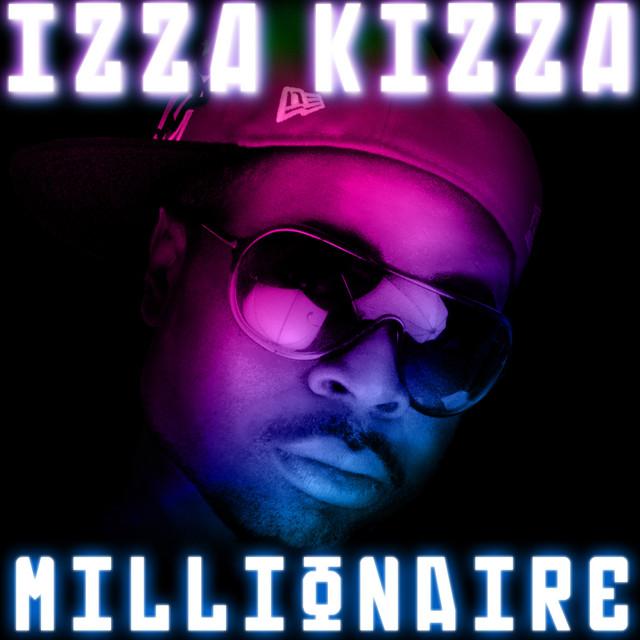
Izza Kizza’s Spotify BioAs soon as Izza Kizza joined the roster of Timbaland's Mosley Music Group, he and his eccentric Southern rap style generated a buzz among rap listeners long before the release of his debut album. Born Terry Davis in the rural town of Valdosta, GA, he began performing music at the age of 12 with his brother and friend. Inspired by Run-D.M.C., he was increasingly drawn into the hip-hop scene and eventually developed an eccentric Southern rap style in the tradition of OutKast, Missy Elliott, and Ludacris. His name, Izza Kizza, is rooted in Malcolm McLaren's 1981 funk favorite "Double Dutch Bus," memorably sampled by Missy Elliott on her 2003 hit "Gossip Folks." After garnering a sizable local following, Izza Kizza drew interest from farther afield, in particular the New Jersey-based production team Soul Diggaz (i.e., K-Mack, Bless, and Corte Ellis), which signed and began producing music for him. The Soul Diggaz had strong ties with many top artists in the pop-rap field, including Missy… Elliott, whom they'd worked with on a Gap commercial; plus, one of the Soul Diggaz, Corte Ellis, was particularly close with the Timbaland camp, having co-written songs with Mosley Music Group producer Nathaniel "Danjahandz" Hills. These relationships brought together Izza Kizza, the Soul Diggaz, Missy Elliott, and Timbaland for "Walk the Dawg." Featuring a guest performance by Missy Elliott and featured in the film Step Up 2: The Streets, the song was released as Izza Kizza's debut single and spread quickly across the Internet as a promotional MP3. ~ Jason Birchmeier, Rovi
Viberate is a music analytics platform built for A&Rs, artist managers, labels, booking agents, marketers, and artists.
It helps music professionals track artist growth, analyze audience data, monitor playlist activity, compare artists, follow song performance, and identify opportunities across the music market.
Public artist pages provide a free preview of selected artist data. Paid plans provide access to deeper analytics, historical data, charts, comparisons, playlist tools, exports, alerts, reports, and additional professional features.
Yes. Public Viberate artist pages provide selected artist analytics and music data for free.
Viberate also offers a 7-day free trial of the full platform. A credit card is required to start the trial. The trial includes access to the complete product so users can test deeper artist analytics, historical views, playlist insights, comparisons, charts, exports, alerts, and reporting features before choosing a paid plan.
Viberate provides artist analytics across streaming, playlists, social media, video, radio airplay, songs, and audience markets.
Users can analyze Spotify performance, Spotify and Apple Music playlists, YouTube activity, TikTok and Instagram growth, radio spins, song performance, audience locations, demographics, rankings, and overall artist momentum.
Artist profiles also connect to music charts, similar artists, and comparison tools, helping users benchmark performance and evaluate artists in context.
Viberate updates key artist and track data daily.
For followed artists and tracks, selected data is refreshed multiple times per day. This helps teams monitor playlist changes, streaming movement, audience growth, releases, and campaign performance with more current data.
Update frequency can vary depending on the metric and data source.
Yes. Viberate lets users compare up to five artists side by side across streaming, social media, audience, and engagement metrics.
Users can compare fanbase growth, audience demographics, locations, Spotify performance, social metrics, and other artist data over selected time periods.
Artist comparison can be used for A&R scouting, benchmarking, booking decisions, campaign planning, and evaluating artists with similar audiences or market positions.