Ivypaint

Punk
Pop Punk
 Viberate Rank: 343635
 Viberate Rank: 343635
 Monthly ListenersFollowers
 Subscribers
 Followers
 Followers
 FansTop Spotify Songs
| Track | 7-Day Streams | |
|---|---|---|
1 | 442 | |
2 | 218 | |
3 | 56 | |
4 | 54 | |
5 | 25 |
Top YouTube VideosMonthly ListenersFeatured in Playlists| Playlist | Followers | |
|---|---|---|
1 |  Punk/Rock Ricki Castanieto | 18.40K |
2 |  feral bangers for mentally ill adults Nawat Crow | 4.21K |
3 |  Pop Punk Frozen-Heart-Music | 4.03K |
4 |  New Wave Pop Punk // nobody likes you in 2023 CatchyTwentyTwo | 2.99K |
5 |  This Is Not A Phase Doug Heiser | 2.35K |
Audience| City | Monthly Listeners | |
|---|---|---|
1 |  | 22 |
2 | | 20 |
3 | | 18 |
4 | | 17 |
5 | | 17 |
See full performance history, audience data, playlist activity, rankings, comparisons, and more in Viberate music analytics. Start with a free trial, then continue with a paid plan.
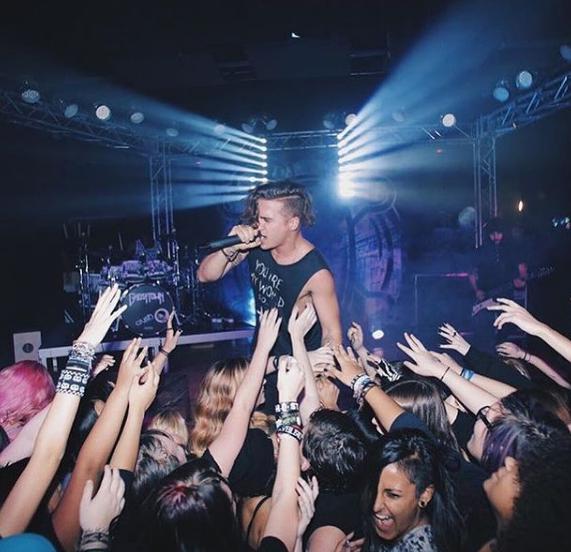
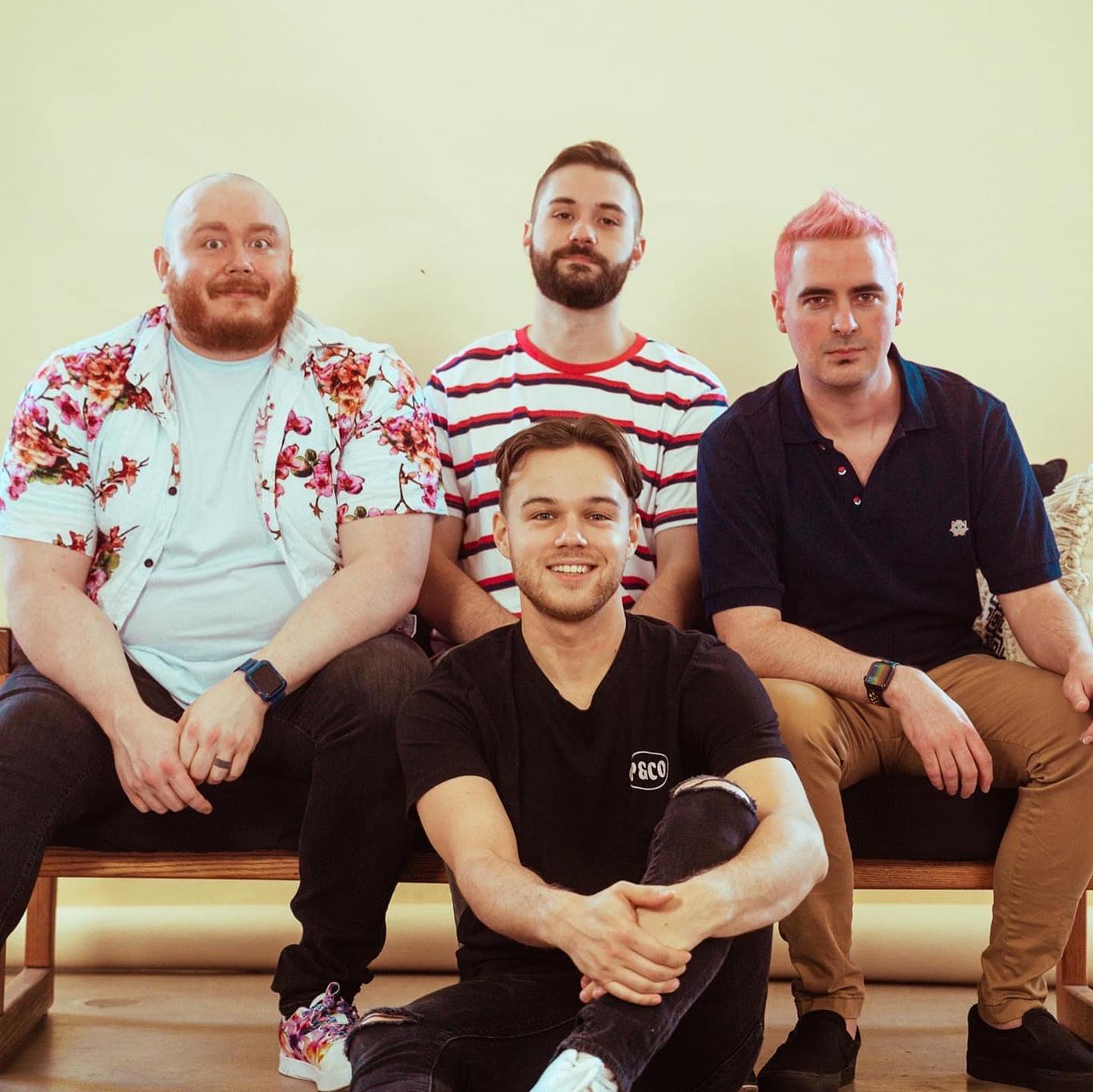
Ivypaint’s Spotify BioThe pop-punk band Ivypaint was formed in 2018 in Orlando, Florida, by Sean Duong (Vocals), and eventually filled out by Christian Wheeler (Lead Guitar), Jason Flanders (Drums), and Adam Chenkus (Bass). In 2021, Chenkus amicably stepped away from the music scene, where his role was eventually filled by Cal Mueller (Rhythm Guitar).
With an emphasis on catchy melodies, vulnerable lyrics, emotive vocals, and driving guitars, Ivypaint cites influences such as Neck Deep, Waterparks, and Blink-182. Their debut EP “Quiet Compassion,” featuring lead single “Little Liaison,” was released in June 2019, as the creative output that Duong utilized as an emotional therapy of sorts, covering topics such as failed relationships, and questionings of mental stability, all while still maintaining melodic sensibility.
After the release of “Quiet Compassion,” Ivypaint were in full throttle, creating buzz within the alternative scene with their sophomore EP “Blue Light,” featuring singles “50/50” (featuring… Kellin Quinn of Sleeping With Sirens), and “Melatonin.” The band further cemented themselves as a force to be reckoned with in 2022, where they released their third EP "Never Pleasure," featuring "Buggin' Out", and showcased at the SXSW music festival in Austin, Texas, followed by an east coast tour of the United States with the band "Sorry Ghost."
Ivypaintband@gmail.com
YouTube.com/Ivypaint
Production, Mixing, and Mastering by Jacob Craddock of Miramar Drive
Viberate is a music analytics platform built for A&Rs, artist managers, labels, booking agents, marketers, and artists.
It helps music professionals track artist growth, analyze audience data, monitor playlist activity, compare artists, follow song performance, and identify opportunities across the music market.
Public artist pages provide a free preview of selected artist data. Paid plans provide access to deeper analytics, historical data, charts, comparisons, playlist tools, exports, alerts, reports, and additional professional features.
Yes. Public Viberate artist pages provide selected artist analytics and music data for free.
Viberate also offers a 7-day free trial of the full platform. A credit card is required to start the trial. The trial includes access to the complete product so users can test deeper artist analytics, historical views, playlist insights, comparisons, charts, exports, alerts, and reporting features before choosing a paid plan.
Viberate provides artist analytics across streaming, playlists, social media, video, radio airplay, songs, and audience markets.
Users can analyze Spotify performance, Spotify and Apple Music playlists, YouTube activity, TikTok and Instagram growth, radio spins, song performance, audience locations, demographics, rankings, and overall artist momentum.
Artist profiles also connect to music charts, similar artists, and comparison tools, helping users benchmark performance and evaluate artists in context.
Viberate updates key artist and track data daily.
For followed artists and tracks, selected data is refreshed multiple times per day. This helps teams monitor playlist changes, streaming movement, audience growth, releases, and campaign performance with more current data.
Update frequency can vary depending on the metric and data source.
Yes. Viberate lets users compare up to five artists side by side across streaming, social media, audience, and engagement metrics.
Users can compare fanbase growth, audience demographics, locations, Spotify performance, social metrics, and other artist data over selected time periods.
Artist comparison can be used for A&R scouting, benchmarking, booking decisions, campaign planning, and evaluating artists with similar audiences or market positions.