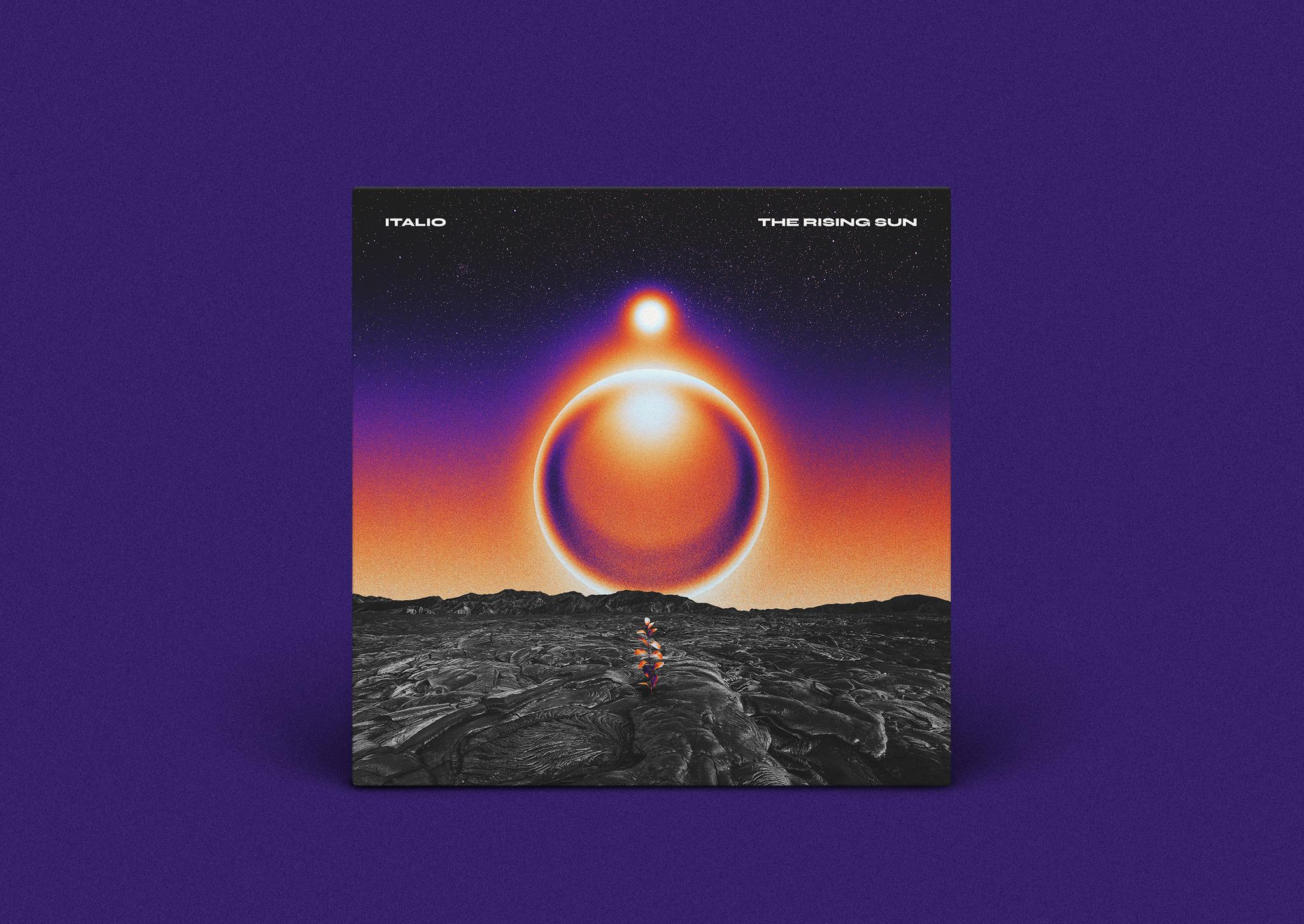
Italio

Rock
Indie Rock
Pop Rock
 Viberate Rank: 681020
 Viberate Rank: 681020
 Monthly ListenersFollowers
 Subscribers
 Followers
 Followers
 FansTop Spotify Songs
| Track | 7-Day Streams | |
|---|---|---|
1 | 1 |
Top YouTube VideosMonthly ListenersFeatured in PlaylistsAudience| City | Monthly Listeners | |
|---|---|---|
1 |  | 1 |
2 |  | 1 |
3 |  | 1 |
4 |  | 1 |
5 | | 1 |
See full performance history, audience data, playlist activity, rankings, comparisons, and more in Viberate music analytics. Start with a free trial, then continue with a paid plan.
Italio’s Spotify BioThe river Italio near Yakutat, Alaska, was named after Frank Italio. The river was a famous place where the Italio family could commercial fish during the summer season, trap and subsist for resources during the winters. He passed away on December 23, 1929. Indeed the Italio River was rich in Tlingit culture and the family traditions continue even to this day.
In those days there was no such thing as Sr’s and Jr’s in families. The elder Italio had a son whom he named Frank Italio. He was born on July 7, 1870. As he grew older, he eventually became the culture barrier for his clan, the Shungukweidi’s. His Tlingit name was Kuchein.
In Tlingit tradition there are two moieties of which each have clans. One moiety is called Eagle and the other is Raven. Robert is Raven of the L’uknaxidi clan. His wife is an Eagle of the Shungukweidi clan. Men and women marry people into what we call the opposite moiety. The children follow their mother’s clan and so in this case their children are also Eagle… and Shungukweidi. They also have Tlingit names and one of his boys is named Italio and carries Frank Italio’s Shungukweidi’s name---Kuchein. Robert wants his children to stay close to their culture, and naming him Italio is a way for the boy to remember who he is.
Italio band is from Juneau, Alaska. We got our name from Italio River. We are Alaskan Native. We make original music and some of our songs reflect our native heritage.
Gunaal’cheech
Stream Listen Follow
Viberate is a music analytics platform built for A&Rs, artist managers, labels, booking agents, marketers, and artists.
It helps music professionals track artist growth, analyze audience data, monitor playlist activity, compare artists, follow song performance, and identify opportunities across the music market.
Public artist pages provide a free preview of selected artist data. Paid plans provide access to deeper analytics, historical data, charts, comparisons, playlist tools, exports, alerts, reports, and additional professional features.
Yes. Public Viberate artist pages provide selected artist analytics and music data for free.
Viberate also offers a 7-day free trial of the full platform. A credit card is required to start the trial. The trial includes access to the complete product so users can test deeper artist analytics, historical views, playlist insights, comparisons, charts, exports, alerts, and reporting features before choosing a paid plan.
Viberate provides artist analytics across streaming, playlists, social media, video, radio airplay, songs, and audience markets.
Users can analyze Spotify performance, Spotify and Apple Music playlists, YouTube activity, TikTok and Instagram growth, radio spins, song performance, audience locations, demographics, rankings, and overall artist momentum.
Artist profiles also connect to music charts, similar artists, and comparison tools, helping users benchmark performance and evaluate artists in context.
Viberate updates key artist and track data daily.
For followed artists and tracks, selected data is refreshed multiple times per day. This helps teams monitor playlist changes, streaming movement, audience growth, releases, and campaign performance with more current data.
Update frequency can vary depending on the metric and data source.
Yes. Viberate lets users compare up to five artists side by side across streaming, social media, audience, and engagement metrics.
Users can compare fanbase growth, audience demographics, locations, Spotify performance, social metrics, and other artist data over selected time periods.
Artist comparison can be used for A&R scouting, benchmarking, booking decisions, campaign planning, and evaluating artists with similar audiences or market positions.