Isham Jones

Jazz
Big band Jazz
Swing
 Viberate Rank: 220448
 Viberate Rank: 220448
 Monthly ListenersFollowers
 Subscribers
 Followers
 Followers
 FansTop Spotify Songs
| Track | 7-Day Streams | |
|---|---|---|
1 | 3.93K | |
2 | 3.82K | |
3 | 2.31K | |
4 | 2.20K | |
5 | 1.69K |
Top YouTube VideosMonthly ListenersFeatured in Playlists| Playlist | Followers | |
|---|---|---|
1 |  Fallout Radio Jon | 170.85K |
2 | 1920s - 1940s Jazz and Swing verinaverona | 51.42K |
3 |  Old Jazz 1920s Wai Phoo | 44.42K |
4 | Jazz Standards Playlist tmorral22 | 19.75K |
5 | BSO Selectas: Selección de Bandas Sonoras OST Jesus Prieto Mier | 19.69K |
Audience| City | Monthly Listeners | |
|---|---|---|
1 |  | 345 |
2 |  | 271 |
3 |  | 237 |
4 | | 234 |
5 | | 213 |
See full performance history, audience data, playlist activity, rankings, comparisons, and more in Viberate music analytics. Start with a free trial, then continue with a paid plan.
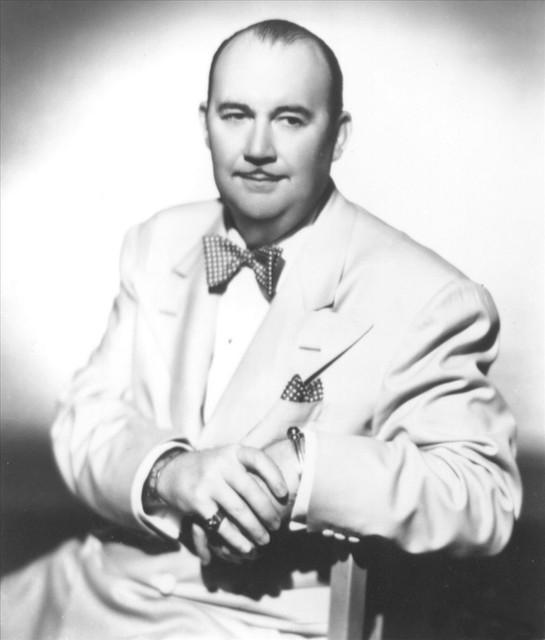
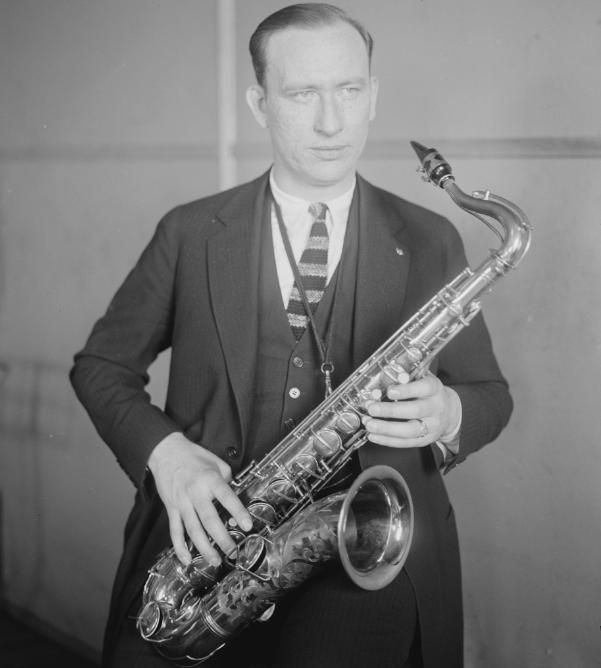
Isham Jones’ Spotify BioIsham Jones led and broke up several bands during the 1920s and '30s, but his greatest legacy is as a songwriter, having composed "It Had to Be You," "On the Alamo," "I'll See You in My Dreams," "The One I Love Belongs to Somebody Else," and "There Is No Greater Love," among others. Although he was originally a saxophonist and pianist, Isham Jones did not take any real solos with his bands. In the early '20s, his outfit featured trumpeter Louis Panico, a pretty good soloist for 1921. Jones recorded prolifically during 1920-1927, with most selections being jazz-oriented dance band performances. While his 1929-1932 recordings are more commercial, the musicianship is high and the melodic renditions are not without interest. Jones' 1932-1936 big band became the nucleus of the first Woody Herman Orchestra when Isham Jones decided to temporarily retire. He had another band in 1937 and recorded as late as 1947, but it is for his songs that he will always be remembered. ~ Scott Yanow, Rovi
Viberate is a music analytics platform built for A&Rs, artist managers, labels, booking agents, marketers, and artists.
It helps music professionals track artist growth, analyze audience data, monitor playlist activity, compare artists, follow song performance, and identify opportunities across the music market.
Public artist pages provide a free preview of selected artist data. Paid plans provide access to deeper analytics, historical data, charts, comparisons, playlist tools, exports, alerts, reports, and additional professional features.
Yes. Public Viberate artist pages provide selected artist analytics and music data for free.
Viberate also offers a 7-day free trial of the full platform. A credit card is required to start the trial. The trial includes access to the complete product so users can test deeper artist analytics, historical views, playlist insights, comparisons, charts, exports, alerts, and reporting features before choosing a paid plan.
Viberate provides artist analytics across streaming, playlists, social media, video, radio airplay, songs, and audience markets.
Users can analyze Spotify performance, Spotify and Apple Music playlists, YouTube activity, TikTok and Instagram growth, radio spins, song performance, audience locations, demographics, rankings, and overall artist momentum.
Artist profiles also connect to music charts, similar artists, and comparison tools, helping users benchmark performance and evaluate artists in context.
Viberate updates key artist and track data daily.
For followed artists and tracks, selected data is refreshed multiple times per day. This helps teams monitor playlist changes, streaming movement, audience growth, releases, and campaign performance with more current data.
Update frequency can vary depending on the metric and data source.
Yes. Viberate lets users compare up to five artists side by side across streaming, social media, audience, and engagement metrics.
Users can compare fanbase growth, audience demographics, locations, Spotify performance, social metrics, and other artist data over selected time periods.
Artist comparison can be used for A&R scouting, benchmarking, booking decisions, campaign planning, and evaluating artists with similar audiences or market positions.