Ironing Board Sam

Blues
Classic Blues
 Viberate Rank: 556818
 Viberate Rank: 556818
 Monthly ListenersFollowers
 Subscribers
 Followers
 Followers
 FansTop Spotify Songs
| Track | 7-Day Streams | |
|---|---|---|
1 | 24 | |
2 | 24 | |
3 | 13 | |
4 | 11 | |
5 | 9 |
Top YouTube VideosMonthly ListenersFeatured in Playlists| Playlist | Followers | |
|---|---|---|
1 |  70's Funk Soul trottta | 11.82K |
2 | Radio Swiss Jazz michael8robinson | 8.70K |
3 |  WWOZ 90.7 FM (New Orleans Radio) Bryson Whitney | 6.48K |
4 | New Orleans soul, blues & funk eliassonsimon | 4.57K |
5 |  New Orleans Voodoo barbeariadoze | 1.31K |
Audience| City | Monthly Listeners | |
|---|---|---|
1 |  | 5 |
2 |  | 5 |
3 | | 4 |
4 |  | 4 |
5 | | 4 |
See full performance history, audience data, playlist activity, rankings, comparisons, and more in Viberate music analytics. Start with a free trial, then continue with a paid plan.
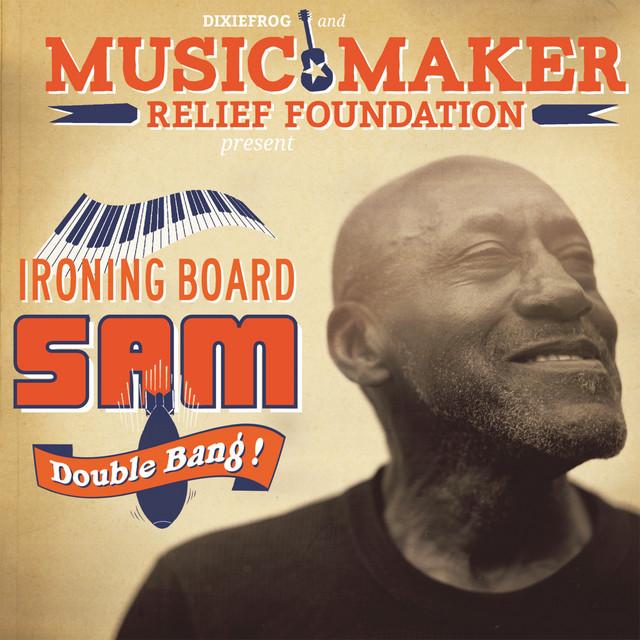
Ironing Board Sam’s Spotify BioIroning Board was born in 1939 in Rock Hill, South Carolina. He began playing shows on piano and organ when he was only 14. In the late ‘50s, he moved to Miami — where he got his stage name: He became legendary in the early 1960s for inventing the first portable, electronic keyboard. He called it the “button board.” It was made from upholstery tacks wired to 64 radio tubes and was mounted on a 2×4 that sat on an ironing board. To say that Sam is inventive just doesn’t cut it. In his hometown of New Orleans, he played while floating above Jackson Square in a hot-air balloon, played underwater in his homemade giant aquarium, and rode around in a Cadillac he had fitted with crystal chandeliers. One of his spangled keyboards now sits in the National Museum of African American Music in Nashville.
From Miami, Sam moved to Memphis, where he was backed by a band that included a young Jimi Hendrix. But finally, he settled in the Crescent City, where he was a regular at the New Orleans Jazz &… Heritage Festival and became one of the city’s most beloved characters.
Sam retired after playing professionally for more than 55 years, during which he amassed a staggering repertoire of both originals and classic blues and R&B songs. Sam’s voice was powerful and soulful, and his piano prowess was remarkable. After Sam joined the Music Maker family in 2010, he relocated to Hillsborough, North Carolina. They booked gigs for him until he retired from playing.
Viberate is a music analytics platform built for A&Rs, artist managers, labels, booking agents, marketers, and artists.
It helps music professionals track artist growth, analyze audience data, monitor playlist activity, compare artists, follow song performance, and identify opportunities across the music market.
Public artist pages provide a free preview of selected artist data. Paid plans provide access to deeper analytics, historical data, charts, comparisons, playlist tools, exports, alerts, reports, and additional professional features.
Yes. Public Viberate artist pages provide selected artist analytics and music data for free.
Viberate also offers a 7-day free trial of the full platform. A credit card is required to start the trial. The trial includes access to the complete product so users can test deeper artist analytics, historical views, playlist insights, comparisons, charts, exports, alerts, and reporting features before choosing a paid plan.
Viberate provides artist analytics across streaming, playlists, social media, video, radio airplay, songs, and audience markets.
Users can analyze Spotify performance, Spotify and Apple Music playlists, YouTube activity, TikTok and Instagram growth, radio spins, song performance, audience locations, demographics, rankings, and overall artist momentum.
Artist profiles also connect to music charts, similar artists, and comparison tools, helping users benchmark performance and evaluate artists in context.
Viberate updates key artist and track data daily.
For followed artists and tracks, selected data is refreshed multiple times per day. This helps teams monitor playlist changes, streaming movement, audience growth, releases, and campaign performance with more current data.
Update frequency can vary depending on the metric and data source.
Yes. Viberate lets users compare up to five artists side by side across streaming, social media, audience, and engagement metrics.
Users can compare fanbase growth, audience demographics, locations, Spotify performance, social metrics, and other artist data over selected time periods.
Artist comparison can be used for A&R scouting, benchmarking, booking decisions, campaign planning, and evaluating artists with similar audiences or market positions.