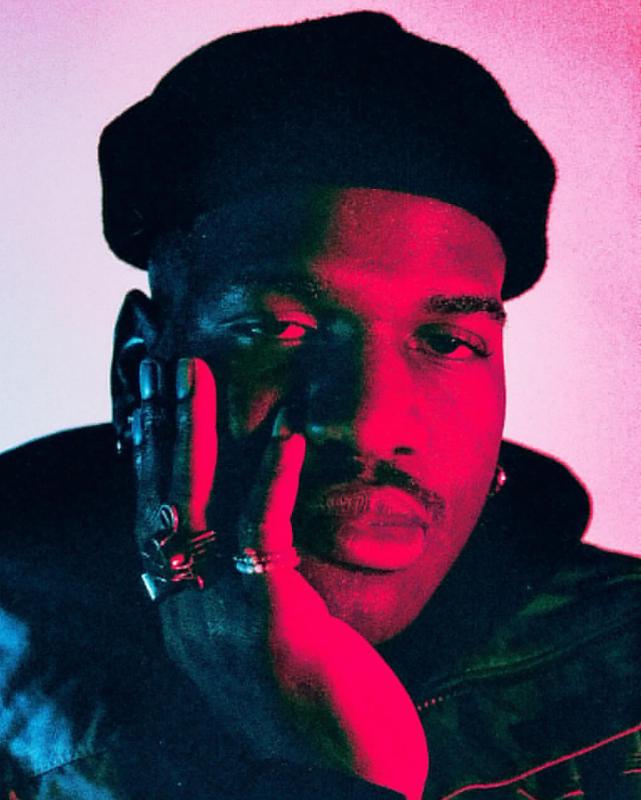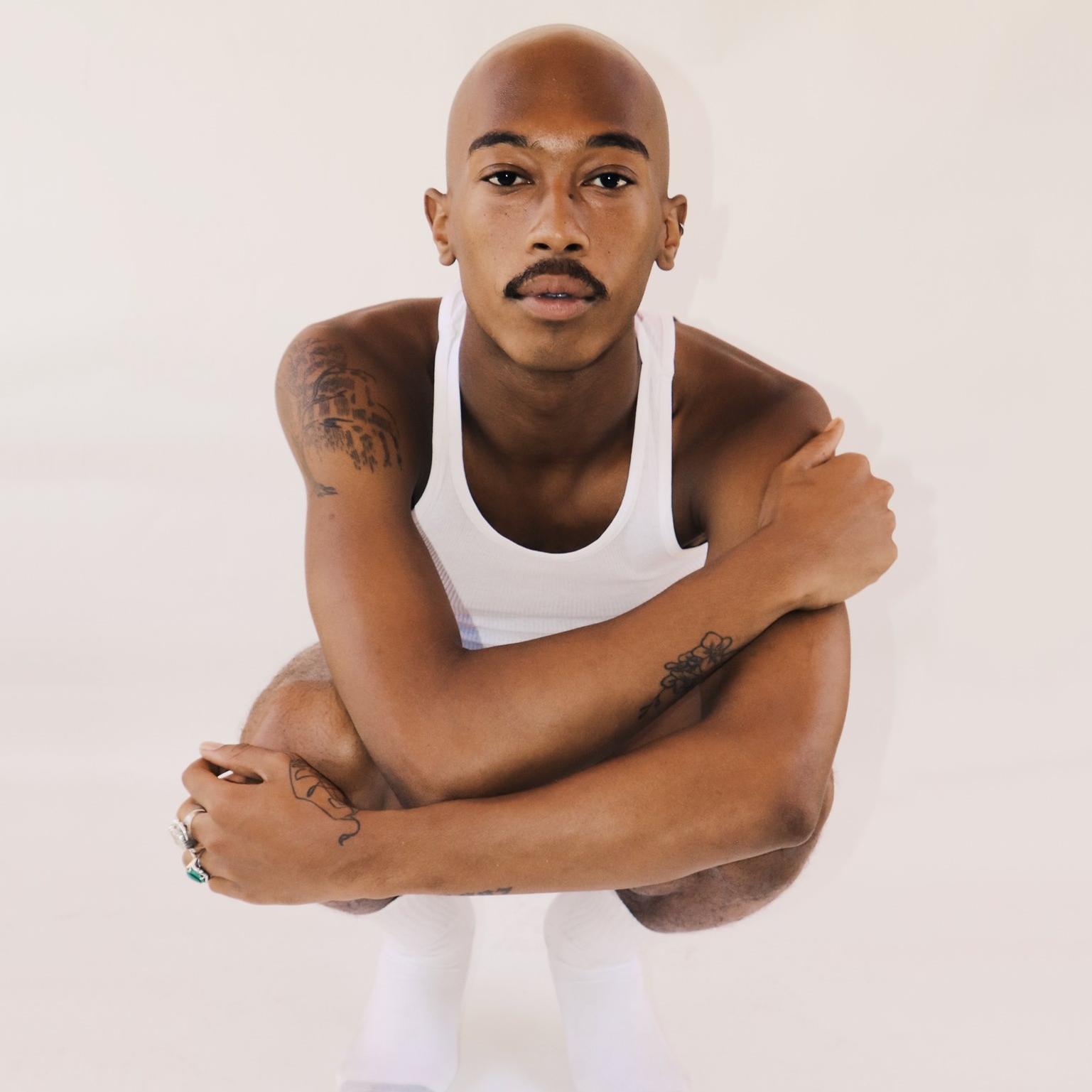
Iris Temple

R&B
Neo Soul
Contemporary R&B
 Viberate Rank: 217910
 Viberate Rank: 217910
 Monthly ListenersFollowers
 Subscribers
 Followers
 Followers
 FansTop Spotify Songs
| Track | 7-Day Streams | |
|---|---|---|
1 | 2.00K | |
2 | 1.23K | |
3 | 604 | |
4 | 548 | |
5 | 454 |
Top YouTube VideosMonthly ListenersFeatured in Playlists| Playlist | Followers | |
|---|---|---|
1 | Best Songs Ever Kobe Beaudoin | 39.34K |
2 |  KRNB Dyllan Nguyen | 34.79K |
3 |  In my own world Matthew Meyer | 24.22K |
4 | San Francisco Street – Sun Rai suryathio | 20.84K |
5 |  WRMFZY BEATS wrmfzy | 18.79K |
Audience| City | Monthly Listeners | |
|---|---|---|
1 | | 334 |
2 | | 295 |
3 | | 293 |
4 | | 172 |
5 | | 168 |
See full performance history, audience data, playlist activity, rankings, comparisons, and more in Viberate music analytics. Start with a free trial, then continue with a paid plan.
Iris Temple’s Spotify BioIris Temple provides a refreshing head space with every chorus, every song. A tender adventure of sorrow and joy. The Chicago duo (by way of Kansas City) started making music together in 2015 and have steadily picked up speed and notoriety over the years. The two twenty-somethings (made up of Quinn Barlow on vocals/artwork and Quinn Cochran on vocals/production) have fine-tuned their eclectic sound and grown deeply in their craft. Focusing on strong songwriting, organic production, and sharp instrumentation, the group properly blends a medley of genres that they call home. From soul to hip-hop to R&B to folk and beyond, it's an inimitable, signature style. Over the years, Iris Temple has released loose singles, a trio of EPs (2016’s Duality, 2017’s Vistas and 2019’s The Ones We Love), and even toured both the U.S. and Europe in direct support of Xavier Omär. Expect plenty more in store for the buzzing duo: two talents balancing effortlessly atop their own high tide.
-Ben ‘Neonpajamas’… Niespodziany
Photos by Yasmine Mifdal
Viberate is a music analytics platform built for A&Rs, artist managers, labels, booking agents, marketers, and artists.
It helps music professionals track artist growth, analyze audience data, monitor playlist activity, compare artists, follow song performance, and identify opportunities across the music market.
Public artist pages provide a free preview of selected artist data. Paid plans provide access to deeper analytics, historical data, charts, comparisons, playlist tools, exports, alerts, reports, and additional professional features.
Yes. Public Viberate artist pages provide selected artist analytics and music data for free.
Viberate also offers a 7-day free trial of the full platform. A credit card is required to start the trial. The trial includes access to the complete product so users can test deeper artist analytics, historical views, playlist insights, comparisons, charts, exports, alerts, and reporting features before choosing a paid plan.
Viberate provides artist analytics across streaming, playlists, social media, video, radio airplay, songs, and audience markets.
Users can analyze Spotify performance, Spotify and Apple Music playlists, YouTube activity, TikTok and Instagram growth, radio spins, song performance, audience locations, demographics, rankings, and overall artist momentum.
Artist profiles also connect to music charts, similar artists, and comparison tools, helping users benchmark performance and evaluate artists in context.
Viberate updates key artist and track data daily.
For followed artists and tracks, selected data is refreshed multiple times per day. This helps teams monitor playlist changes, streaming movement, audience growth, releases, and campaign performance with more current data.
Update frequency can vary depending on the metric and data source.
Yes. Viberate lets users compare up to five artists side by side across streaming, social media, audience, and engagement metrics.
Users can compare fanbase growth, audience demographics, locations, Spotify performance, social metrics, and other artist data over selected time periods.
Artist comparison can be used for A&R scouting, benchmarking, booking decisions, campaign planning, and evaluating artists with similar audiences or market positions.