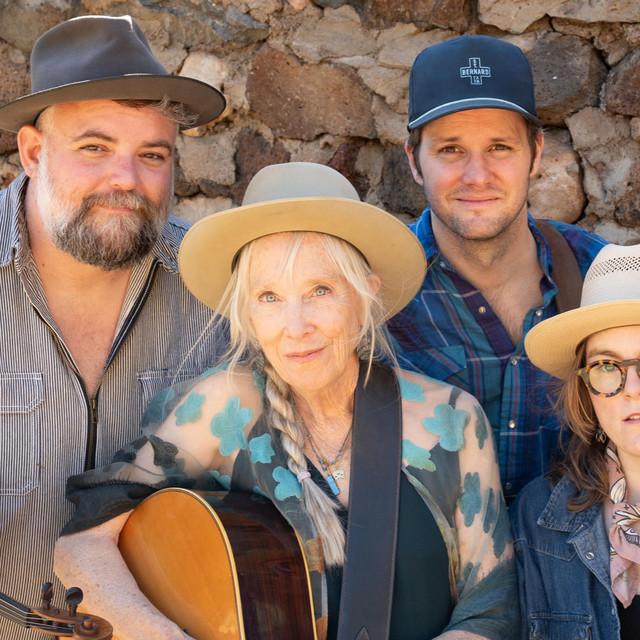
Irene Kelley

Country
Bluegrass
Americana/Alt Country
Contemporary Country
 Viberate Rank: 311494
 Viberate Rank: 311494
 Monthly ListenersFollowers
 Subscribers
 Followers
 Followers
 FansTop Spotify Songs
| Track | 7-Day Streams | |
|---|---|---|
1 | 793 | |
2 | 117 | |
3 | 75 | |
4 | 60 | |
5 | 33 |
Top YouTube Videos| Video | 7-Day Views | |
|---|---|---|
1 | 19 | |
2 | 9 | |
3 | 7 | |
4 | 5 | |
5 | 4 |
Monthly ListenersFeatured in Playlists| Playlist | Followers | |
|---|---|---|
1 |  Women of Bluegrass Spotify | 18.86K |
2 |  Bluegrass Christmas Spotify | 13.50K |
3 | Tidenes beste sommerlåter geireff | 3.30K |
4 | Happy Hour Beach Music Jimmy Buffett Fvale | 2.54K |
5 |  Country Queens - 2026 Hits RIGHT NOW! | 1.62K |
Audience| City | Monthly Listeners | |
|---|---|---|
1 | | 50 |
2 | | 32 |
3 | | 30 |
4 | | 26 |
5 | | 25 |
See full performance history, audience data, playlist activity, rankings, comparisons, and more in Viberate music analytics. Start with a free trial, then continue with a paid plan.
Irene Kelley’s Spotify BioWhen Irene Kelley left her native Pennsylvania to move to Nashville in 1984, she brought along her guitar, a handful of original material and a love for traditional and bluegrass music. She was signed to MCA Nashville’s country division and was adamant about having Carl Jackson, Sam Bush, Mark O'Connor and other bluegrass musicians join her on her first recording project. As she puts it, “The record was country, but the heart and soul was bluegrass.” This was at a time when bluegrass instrumentation had fallen out of favor along Nashville’s Music Row, so Irene concentrated on the songwriting that exposed her music to millions through hits like “A Little Bluer Than That,” for Alan Jackson, as well as songs performed and recorded by Ricky Skaggs & Sharon White, Loretta Lynn and Trisha Yearwood. More than three decades later, Irene has assumed her place in a long line of great American songwriters. Of her musical influences, she says: “Jean Ritchie’s songwriting to me was so amazing,… especially for someone just learning to write. Some of my other early favorites were Hazel Dickens and Alice Gerrard, Rodney Crowell, Pete Goble, Greg Allman and, of course, always Dolly Parton and Loretta Lynn.” Her latest project "BENNY'S TV REPAIR" is a return to her beginnings. “Bluegrass is the last frontier of country music,” Irene says, and it’s true that country stars like Keith Whitley, Vince Gill, Marty Stuart and cut their teeth on Bill Monroe’s genre of music.
Viberate is a music analytics platform built for A&Rs, artist managers, labels, booking agents, marketers, and artists.
It helps music professionals track artist growth, analyze audience data, monitor playlist activity, compare artists, follow song performance, and identify opportunities across the music market.
Public artist pages provide a free preview of selected artist data. Paid plans provide access to deeper analytics, historical data, charts, comparisons, playlist tools, exports, alerts, reports, and additional professional features.
Yes. Public Viberate artist pages provide selected artist analytics and music data for free.
Viberate also offers a 7-day free trial of the full platform. A credit card is required to start the trial. The trial includes access to the complete product so users can test deeper artist analytics, historical views, playlist insights, comparisons, charts, exports, alerts, and reporting features before choosing a paid plan.
Viberate provides artist analytics across streaming, playlists, social media, video, radio airplay, songs, and audience markets.
Users can analyze Spotify performance, Spotify and Apple Music playlists, YouTube activity, TikTok and Instagram growth, radio spins, song performance, audience locations, demographics, rankings, and overall artist momentum.
Artist profiles also connect to music charts, similar artists, and comparison tools, helping users benchmark performance and evaluate artists in context.
Viberate updates key artist and track data daily.
For followed artists and tracks, selected data is refreshed multiple times per day. This helps teams monitor playlist changes, streaming movement, audience growth, releases, and campaign performance with more current data.
Update frequency can vary depending on the metric and data source.
Yes. Viberate lets users compare up to five artists side by side across streaming, social media, audience, and engagement metrics.
Users can compare fanbase growth, audience demographics, locations, Spotify performance, social metrics, and other artist data over selected time periods.
Artist comparison can be used for A&R scouting, benchmarking, booking decisions, campaign planning, and evaluating artists with similar audiences or market positions.