Internal Void

Metal
Doom/Sludge Metal
 Viberate Rank: 419491
 Viberate Rank: 419491
 Monthly ListenersFollowers
 Subscribers
 Followers
 Followers
 FansTop Spotify Songs
| Track | 7-Day Streams | |
|---|---|---|
1 | 195 | |
2 | 39 | |
3 | 38 | |
4 | 36 | |
5 | 30 |
Top YouTube VideosMonthly ListenersFeatured in Playlists| Playlist | Followers | |
|---|---|---|
1 |  FENRIZ METAL Gylve | 32.35K |
2 |  Stoner Rock A-Z boogievan | 24.16K |
3 |  Truly Nice Music Patrick Holland | 7.99K |
4 |  Old School Doom Metal. Szchizophrenia | 5.91K |
5 |  𝐏𝐬𝐲𝐜𝐡edelic 𝐒𝐭𝐨𝐧𝐞𝐫 𝐌𝐚𝐫𝐬𝐡 𝙎𝙩𝙤𝙢𝙥𝙞𝙣𝙜𝙇𝙡𝙖𝙢𝙖 | 3.18K |
Audience| City | Monthly Listeners | |
|---|---|---|
1 |  | 10 |
2 |  | 10 |
3 |  | 10 |
4 |  | 8 |
5 | | 7 |
See full performance history, audience data, playlist activity, rankings, comparisons, and more in Viberate music analytics. Start with a free trial, then continue with a paid plan.
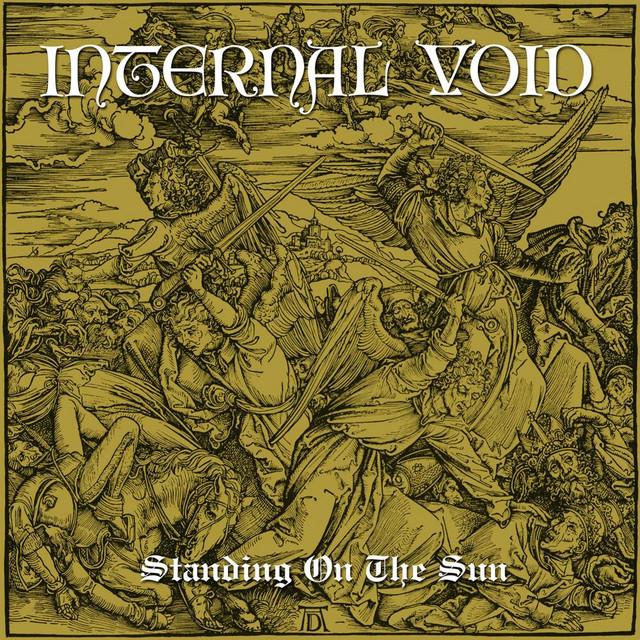
Internal Void’s Spotify BioA band that unfortunately tends to be forgotten amid the rich legacy of Maryland doom (also home to Pentagram, the Obsessed, Earthride, etc.), Internal Void emerged out of the town of Frederick, in 1987, and followed up a slew of heavily traded demos with 1993's Standing on the Sun CD. Acclaimed for its unadulterated Sabbath-derived style, the album was recorded by the lineup of vocalist J.D. Williams, guitarist Kelly Carmichael, bassist Adam Heinzmann, and drummer Eric Little, but after enduring many career-stalling travails (including the loss of their deal with Hellhound Records), the latter had been replaced by ex-Unorthodox man Ronnie Kalimon come the release of Internal Void's belated, aptly named second effort, Unearthed, in the year 2000. Carmichael and Heinzmann would subsequently join Bobby Leibling's resurrected Pentagram, alongside journeyman drummer Mike Smail (Cathedral, Dream Death, Penance, etc.), and took advantage while recording the Show 'Em How album to also work on… a third Internal Void CD, titled Matricide. ~ Eduardo Rivadavia, Rovi
Viberate is a music analytics platform built for A&Rs, artist managers, labels, booking agents, marketers, and artists.
It helps music professionals track artist growth, analyze audience data, monitor playlist activity, compare artists, follow song performance, and identify opportunities across the music market.
Public artist pages provide a free preview of selected artist data. Paid plans provide access to deeper analytics, historical data, charts, comparisons, playlist tools, exports, alerts, reports, and additional professional features.
Yes. Public Viberate artist pages provide selected artist analytics and music data for free.
Viberate also offers a 7-day free trial of the full platform. A credit card is required to start the trial. The trial includes access to the complete product so users can test deeper artist analytics, historical views, playlist insights, comparisons, charts, exports, alerts, and reporting features before choosing a paid plan.
Viberate provides artist analytics across streaming, playlists, social media, video, radio airplay, songs, and audience markets.
Users can analyze Spotify performance, Spotify and Apple Music playlists, YouTube activity, TikTok and Instagram growth, radio spins, song performance, audience locations, demographics, rankings, and overall artist momentum.
Artist profiles also connect to music charts, similar artists, and comparison tools, helping users benchmark performance and evaluate artists in context.
Viberate updates key artist and track data daily.
For followed artists and tracks, selected data is refreshed multiple times per day. This helps teams monitor playlist changes, streaming movement, audience growth, releases, and campaign performance with more current data.
Update frequency can vary depending on the metric and data source.
Yes. Viberate lets users compare up to five artists side by side across streaming, social media, audience, and engagement metrics.
Users can compare fanbase growth, audience demographics, locations, Spotify performance, social metrics, and other artist data over selected time periods.
Artist comparison can be used for A&R scouting, benchmarking, booking decisions, campaign planning, and evaluating artists with similar audiences or market positions.