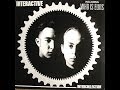
Interactive

Electronic
Techno
Trance
Hardstyle/Hardcore
 Viberate Rank: 86360
 Viberate Rank: 86360
 Monthly ListenersFollowers
 Subscribers
 Followers
 Followers
 FansTop Spotify Songs
| Track | 7-Day Streams | |
|---|---|---|
1 | 22.89K | |
2 | 13.43K | |
3 | 10.82K | |
4 | 8.56K | |
5 | 5.21K |
Top YouTube Videos| Video | 7-Day Views | |
|---|---|---|
1 | 8.22K | |
2 | 3.20K | |
3 | 2.64K | |
4 | 2.51K | |
5 | 2.05K |
Monthly ListenersFeatured in Playlists| Playlist | Followers | |
|---|---|---|
1 |  Trance Anthems 90s-00s Shane Codd | 161.04K |
2 | ⭐️ 90s Club Anthems ⭐️ ES | 140.35K |
3 |  Thunderdome Classics Adrian | 138.34K |
4 |  Clubland Classix 2000’s Bobby-A03 | 116.89K |
5 |  De officiële Foute 1500 | editie 2026 | Qmusic QmusicNL | 90.55K |
Audience| City | Monthly Listeners | |
|---|---|---|
1 | | 4.69K |
2 | | 4.08K |
3 |  | 3.14K |
4 | | 2.94K |
5 |  | 2.84K |
See full performance history, audience data, playlist activity, rankings, comparisons, and more in Viberate music analytics. Start with a free trial, then continue with a paid plan.
Interactive’s Spotify BioInteractive was formed in 1990 by Ramon Zenker and Jens Lissat. It was originally meant to be a studio project and their first single “The Techno Wave” became one of the first german techno releases. Marc Innocent was brought in to add his vocal on their next production “No Control”. They decided then that Marc and Ramon should present Interactive as a Live Act.
Their national and international break-through came in 1992 with “Who Is Elvis”, which was one of the the first techno-production to reach the sales charts in several countries. In 1994 Ramon decided that in future he only wanted to work in the studio and Marc continued to do the live gigs for Interactive on his own. That year they had their biggest hit, “Forever Young - Radio Version”, which achieved Gold Record status. This was followed by further hits, such as “Living Without Your Love”, “Tell Me When”, “Dildo - Radio Version”, and a tour throughout Europe as well as gigs in Russia, USA and Mexico.
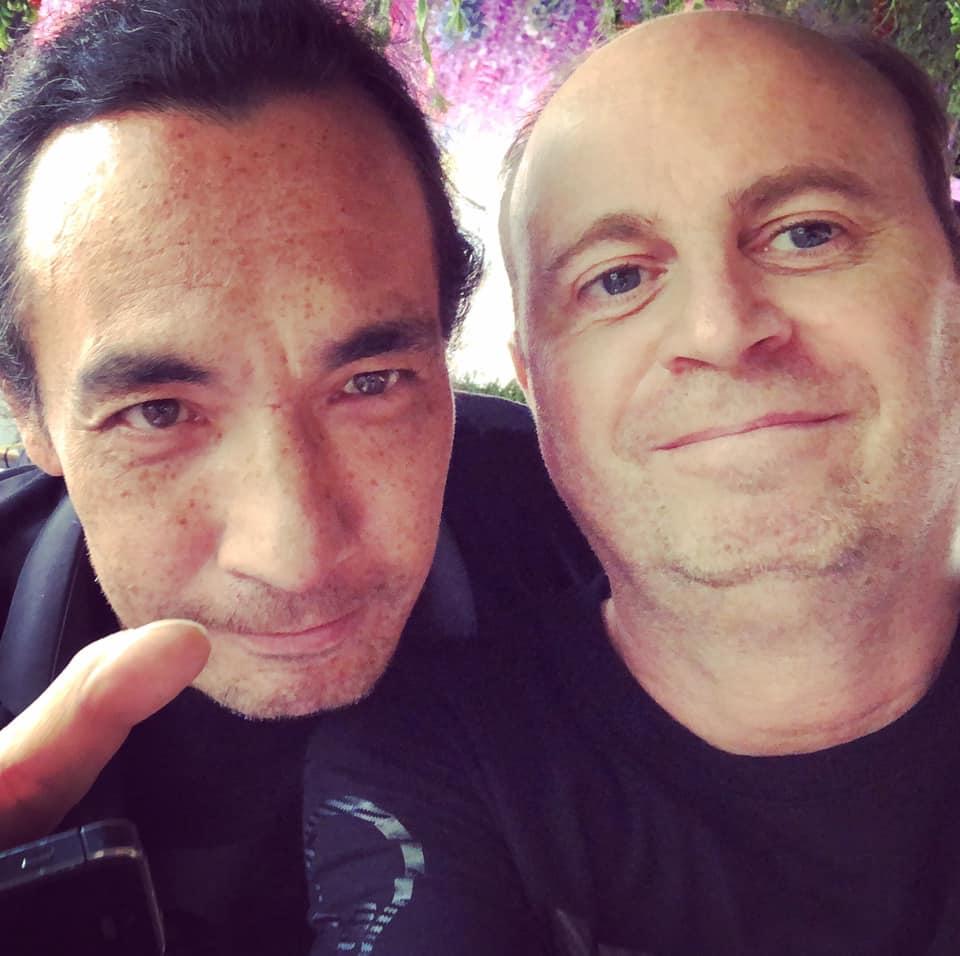
From 1996 they worked with… various singers. However, in 2002 Ramon decided that he would put the project Interactive on ice. Ramon and Marc stayed in touch and in 2016, twenty-five years after their first live show, they decided to bring Interactive back to life and made their comeback at the biggest 90s party in Germany, “The 90s – Live On Stage”, to huge applause.
Since 2020, Interactive release new hits, such as “Can You Feel the Love Tonight” and “Adiemus”, as well as new versions of their old material.
Viberate is a music analytics platform built for A&Rs, artist managers, labels, booking agents, marketers, and artists.
It helps music professionals track artist growth, analyze audience data, monitor playlist activity, compare artists, follow song performance, and identify opportunities across the music market.
Public artist pages provide a free preview of selected artist data. Paid plans provide access to deeper analytics, historical data, charts, comparisons, playlist tools, exports, alerts, reports, and additional professional features.
Yes. Public Viberate artist pages provide selected artist analytics and music data for free.
Viberate also offers a 7-day free trial of the full platform. A credit card is required to start the trial. The trial includes access to the complete product so users can test deeper artist analytics, historical views, playlist insights, comparisons, charts, exports, alerts, and reporting features before choosing a paid plan.
Viberate provides artist analytics across streaming, playlists, social media, video, radio airplay, songs, and audience markets.
Users can analyze Spotify performance, Spotify and Apple Music playlists, YouTube activity, TikTok and Instagram growth, radio spins, song performance, audience locations, demographics, rankings, and overall artist momentum.
Artist profiles also connect to music charts, similar artists, and comparison tools, helping users benchmark performance and evaluate artists in context.
Viberate updates key artist and track data daily.
For followed artists and tracks, selected data is refreshed multiple times per day. This helps teams monitor playlist changes, streaming movement, audience growth, releases, and campaign performance with more current data.
Update frequency can vary depending on the metric and data source.
Yes. Viberate lets users compare up to five artists side by side across streaming, social media, audience, and engagement metrics.
Users can compare fanbase growth, audience demographics, locations, Spotify performance, social metrics, and other artist data over selected time periods.
Artist comparison can be used for A&R scouting, benchmarking, booking decisions, campaign planning, and evaluating artists with similar audiences or market positions.