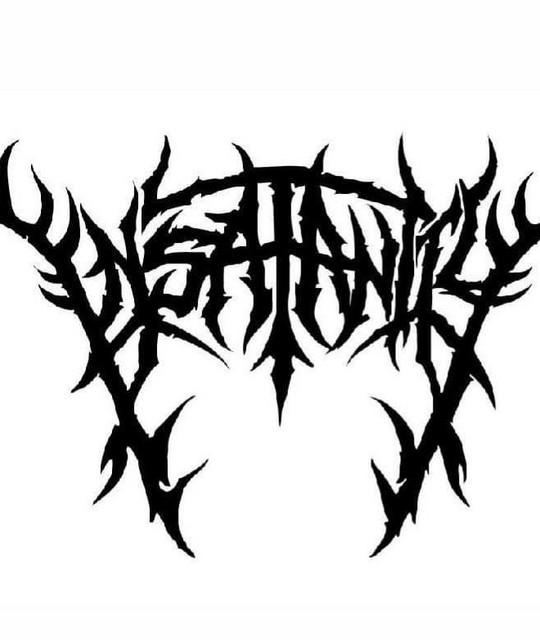
Insatanity

Metal
Death Metal
Black Metal
 Viberate Rank: 368267
 Viberate Rank: 368267
 Monthly ListenersFollowers
 Subscribers
 Followers
 Followers
 FansTop Spotify Songs
| Track | 7-Day Streams | |
|---|---|---|
1 | 112 | |
2 | 80 | |
3 | 44 | |
4 | 30 | |
5 | 30 |
Top YouTube VideosMonthly ListenersFeatured in Playlists| Playlist | Followers | |
|---|---|---|
1 |  Death Metal Classics @MansenSankari | 127.47K |
2 | Metal🤘🏻 Naydil González | 16.46K |
3 |  Death Metal Old School Stéphane Loisal | 12.90K |
4 |  Early Death Metal: The '80s & '90s Loudwire | 4.92K |
5 |  OSDM '88 - '97 Grégory Gaillez | 1.86K |
Audience| City | Monthly Listeners | |
|---|---|---|
1 |  | 11 |
2 |  | 8 |
3 | | 8 |
4 |  | 6 |
5 |  | 5 |
See full performance history, audience data, playlist activity, rankings, comparisons, and more in Viberate music analytics. Start with a free trial, then continue with a paid plan.
Insatanity’s Spotify BioInsatanity's uncompromising style helped to define the American Northeast's uniquely brutal death template.
Formed in 1992, The band released their self-titled debut demo in February of 1993. It established Insatanity as one of the most prominent metal bands in the Philadelphia area. They followed up with two more demos, Ad Maiorem Satanae Gloriam in 1994 and Unholiness Rising in 1995, before releasing their debut album, “Divine Decomposition”, in 1995 on Unisound International Records.
In July of 1997, released “Vengeance From Beyond The Grave”, a Split EP with New York based band @ImmortalSuffering.
After several years of regional touring, Insatanity reased an EP entitled “The Black Stone”. The band then headed out touring. After returning from tour, Insatanity again entered the studio to recorded their EP, “The Day God Died”.
In 2014, Insatanity toured Europe with @Bloodsoaked for the "Consuming Europe" tour. Then Insatanity did a 3 week US tour with Brazilian band @Nervochaos in… 2015.
In 2017, They released an EP entitled “Upon the Ivory Throne” and played the Las Vegas Deathfest. Early in 2018, Insatanity released the video, "Whose Hand Embalms" to promote the EP.
In 2020, Insatanity released their next full length album entitled, “Hymns of the Gods Before”.
Viberate is a music analytics platform built for A&Rs, artist managers, labels, booking agents, marketers, and artists.
It helps music professionals track artist growth, analyze audience data, monitor playlist activity, compare artists, follow song performance, and identify opportunities across the music market.
Public artist pages provide a free preview of selected artist data. Paid plans provide access to deeper analytics, historical data, charts, comparisons, playlist tools, exports, alerts, reports, and additional professional features.
Yes. Public Viberate artist pages provide selected artist analytics and music data for free.
Viberate also offers a 7-day free trial of the full platform. A credit card is required to start the trial. The trial includes access to the complete product so users can test deeper artist analytics, historical views, playlist insights, comparisons, charts, exports, alerts, and reporting features before choosing a paid plan.
Viberate provides artist analytics across streaming, playlists, social media, video, radio airplay, songs, and audience markets.
Users can analyze Spotify performance, Spotify and Apple Music playlists, YouTube activity, TikTok and Instagram growth, radio spins, song performance, audience locations, demographics, rankings, and overall artist momentum.
Artist profiles also connect to music charts, similar artists, and comparison tools, helping users benchmark performance and evaluate artists in context.
Viberate updates key artist and track data daily.
For followed artists and tracks, selected data is refreshed multiple times per day. This helps teams monitor playlist changes, streaming movement, audience growth, releases, and campaign performance with more current data.
Update frequency can vary depending on the metric and data source.
Yes. Viberate lets users compare up to five artists side by side across streaming, social media, audience, and engagement metrics.
Users can compare fanbase growth, audience demographics, locations, Spotify performance, social metrics, and other artist data over selected time periods.
Artist comparison can be used for A&R scouting, benchmarking, booking decisions, campaign planning, and evaluating artists with similar audiences or market positions.