Insanity Wave

Rock
Indie Rock
Power Pop
 Viberate Rank: 792833
 Viberate Rank: 792833
 Monthly ListenersFollowers
 Subscribers
 Followers
 Followers
 FansTop Spotify Songs
| Track | 7-Day Streams | |
|---|---|---|
1 | 34 | |
2 | 11 | |
3 | 3 | |
4 | 2 | |
5 | 1 |
Top YouTube VideosMonthly ListenersFeatured in Playlists| Playlist | Followers | |
|---|---|---|
1 |  RADIOACTIVO 98.5 FM ☢ FOXIII | 7.37K |
2 |  Generation Next by Pepsi (1998) Jaime Tomé | 5.00K |
3 |  Radioactivo 98.5 Sr.Whitey | 4.14K |
4 |  History of Power Pop Luthercal | 2.00K |
Audience| City | Monthly Listeners | |
|---|---|---|
1 | | 22 |
2 | | 13 |
3 | | 6 |
4 | | 6 |
5 | | 4 |
See full performance history, audience data, playlist activity, rankings, comparisons, and more in Viberate music analytics. Start with a free trial, then continue with a paid plan.
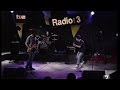
Insanity Wave’s Spotify BioInsanity Wave is a power pop band based in Madrid, Spain. The band started up in 1991 formed by a bunch of high school friends. The band consists of Chema Escriña (vocals and guitar) and Colman Gota (vocals and bass guitar).
In 1993, the band released their début, self-titled EP on La Fábrica Magnética. After two more years of touring, they released an LP—Go-Off. The album was also released in Brazil the following year, through Paradise Records.
Next, the band flew to Chicago to record an album with Jeff Murphy (Shoes) at Short Order Recorder. Do the Worm was released on Roto Records in Spain in 1997, and came out in the US in 1998 on spinART Records.
In 1999, the EP and two albums were compiled, along with other early recordings, for 3X33. Their third full-length album, The Minor League, was recorded in North Carolina with Mitch Easter at his Fidelitorium Studios, and was released on the band's own Elmer Music label in 2000. That same year, the band appeared in the Jaime Chávarri film… Besos para todos, as a 1960s group called Los Acapulco.
The band has also played in the big festivals such as FIB (Benicassim); Serie B ( La Rioja); Primavera Sound (Barcelona), and International Pop Overthrow (Liverpool) and has toured Portugal, Ireland, France, U.S.A. and U.K.
Their fourth and latest album, Late Night Shift, was released on March 10, 2008, produced by Mitch Easter at The Fidelitorium Studios in NC.
Viberate is a music analytics platform built for A&Rs, artist managers, labels, booking agents, marketers, and artists.
It helps music professionals track artist growth, analyze audience data, monitor playlist activity, compare artists, follow song performance, and identify opportunities across the music market.
Public artist pages provide a free preview of selected artist data. Paid plans provide access to deeper analytics, historical data, charts, comparisons, playlist tools, exports, alerts, reports, and additional professional features.
Yes. Public Viberate artist pages provide selected artist analytics and music data for free.
Viberate also offers a 7-day free trial of the full platform. A credit card is required to start the trial. The trial includes access to the complete product so users can test deeper artist analytics, historical views, playlist insights, comparisons, charts, exports, alerts, and reporting features before choosing a paid plan.
Viberate provides artist analytics across streaming, playlists, social media, video, radio airplay, songs, and audience markets.
Users can analyze Spotify performance, Spotify and Apple Music playlists, YouTube activity, TikTok and Instagram growth, radio spins, song performance, audience locations, demographics, rankings, and overall artist momentum.
Artist profiles also connect to music charts, similar artists, and comparison tools, helping users benchmark performance and evaluate artists in context.
Viberate updates key artist and track data daily.
For followed artists and tracks, selected data is refreshed multiple times per day. This helps teams monitor playlist changes, streaming movement, audience growth, releases, and campaign performance with more current data.
Update frequency can vary depending on the metric and data source.
Yes. Viberate lets users compare up to five artists side by side across streaming, social media, audience, and engagement metrics.
Users can compare fanbase growth, audience demographics, locations, Spotify performance, social metrics, and other artist data over selected time periods.
Artist comparison can be used for A&R scouting, benchmarking, booking decisions, campaign planning, and evaluating artists with similar audiences or market positions.