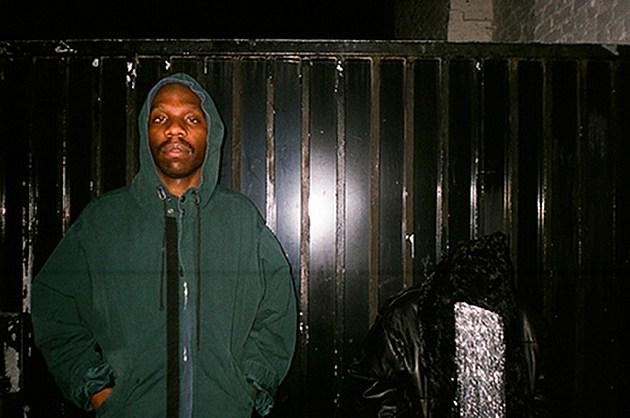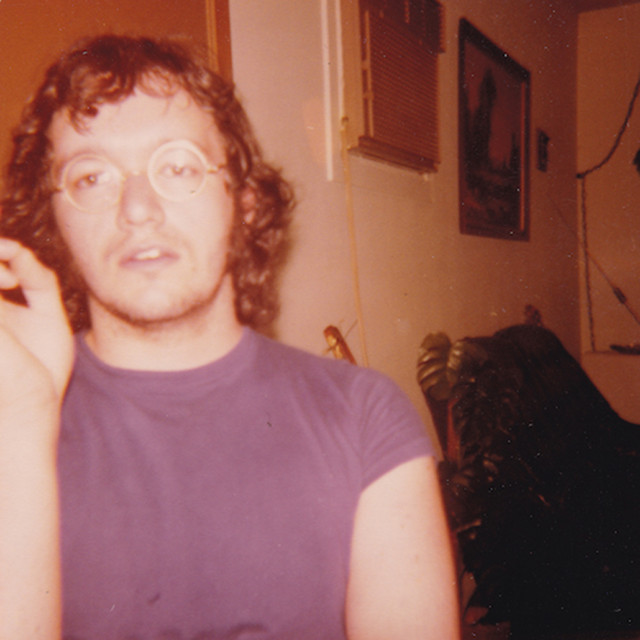
Inga Copeland

Electronic
Dance
Indie Pop
 Viberate Rank: 126782
 Viberate Rank: 126782
 Monthly ListenersFollowers
 Subscribers
 Followers
 Followers
 FansTop Spotify Songs
| Track | 7-Day Streams | |
|---|---|---|
1 | 64.71K | |
2 | 62.08K | |
3 | 12.47K | |
4 | 11.77K | |
5 | 6.07K |
Top YouTube VideosMonthly ListenersFeatured in Playlists| Playlist | Followers | |
|---|---|---|
1 |  🦋❤️🏍INSPO$ MOTOMAMI🏍❤️🦋 ROSALÍA | 66.21K |
2 |  Twin Peaks Vibes 📺 maddie f | 36.93K |
3 |  HIDDEN Sound ⠓⠊⠙⠙⠑⠝® HIDDEN.NY | 25.38K |
4 | Psychedelic rock/High jams 𝕾𝖙𝖊𝖋𝖆𝖓𝖔 𝕷𝖊𝖈𝖈𝖆 | 22.50K |
5 |  What's Your Favourite Song At The Moment? Y(A)Mi Club | 22.38K |
Audience| City | Monthly Listeners | |
|---|---|---|
1 |  | 4.00K |
2 |  | 3.05K |
3 | | 2.51K |
4 | | 2.01K |
5 |  | 1.96K |
See full performance history, audience data, playlist activity, rankings, comparisons, and more in Viberate music analytics. Start with a free trial, then continue with a paid plan.
Inga Copeland’s Spotify BioInga Copeland is an electronic and digital musician, currently releasing as Lolina. She was a member of the band Hype Williams between 2009 and 2013, collaborating with Dean Blunt on albums, EPs, CD-Rs, videos and performances. During this time she also recorded several solo EPs, with her final album under the Inga Copeland alias, “Because I’m Worth It” (2014), self-released after the split of the band.
Her first album as Lolina, Live in Paris, came out as a full-length video in 2016. A departure from traditional release formats, sonically it was defined by a move to digital composition. Lolina's second album, The Smoke (2018), consolidated the songwriting techniques and musical arrangements of her EPs RELAXIN' with Lolina (2015) and Lolita EP (2017), including the use of presets, lo-fi drums, and half-sung half-spoken vocals.
Lolina’s live performances evolved through experiments with DJ equipment. Using CDJ players to loop, scratch and manipulate her existing recordings, she developed… an improvisational cut up style exemplified on her third album Live in Geneva (2019). Further trials with playback equipment and software led to the release of Who is experimental music? (2019).
Viberate is a music analytics platform built for A&Rs, artist managers, labels, booking agents, marketers, and artists.
It helps music professionals track artist growth, analyze audience data, monitor playlist activity, compare artists, follow song performance, and identify opportunities across the music market.
Public artist pages provide a free preview of selected artist data. Paid plans provide access to deeper analytics, historical data, charts, comparisons, playlist tools, exports, alerts, reports, and additional professional features.
Yes. Public Viberate artist pages provide selected artist analytics and music data for free.
Viberate also offers a 7-day free trial of the full platform. A credit card is required to start the trial. The trial includes access to the complete product so users can test deeper artist analytics, historical views, playlist insights, comparisons, charts, exports, alerts, and reporting features before choosing a paid plan.
Viberate provides artist analytics across streaming, playlists, social media, video, radio airplay, songs, and audience markets.
Users can analyze Spotify performance, Spotify and Apple Music playlists, YouTube activity, TikTok and Instagram growth, radio spins, song performance, audience locations, demographics, rankings, and overall artist momentum.
Artist profiles also connect to music charts, similar artists, and comparison tools, helping users benchmark performance and evaluate artists in context.
Viberate updates key artist and track data daily.
For followed artists and tracks, selected data is refreshed multiple times per day. This helps teams monitor playlist changes, streaming movement, audience growth, releases, and campaign performance with more current data.
Update frequency can vary depending on the metric and data source.
Yes. Viberate lets users compare up to five artists side by side across streaming, social media, audience, and engagement metrics.
Users can compare fanbase growth, audience demographics, locations, Spotify performance, social metrics, and other artist data over selected time periods.
Artist comparison can be used for A&R scouting, benchmarking, booking decisions, campaign planning, and evaluating artists with similar audiences or market positions.