Infinite Scale

Electronic
Downtempo
Other Electronic Music
 Viberate Rank: 362551
 Viberate Rank: 362551
 Monthly ListenersFollowers
 Subscribers
 Followers
 Followers
 FansTop Spotify Songs
| Track | 7-Day Streams | |
|---|---|---|
1 | 1.05K | |
2 | 323 | |
3 | 221 | |
4 | 115 | |
5 | 113 |
Top YouTube VideosMonthly ListenersFeatured in Playlists| Playlist | Followers | |
|---|---|---|
1 |  The Sound of Everything The Sounds of Spotify | 53.82K |
2 |  INSTRUMENTAL MUSIC TO WORK TO: Chill, Ambient, Electronic Instrumental Mix Keats Handwriting | 51.84K |
3 |  psychedelic therapy: mushroom music palindrome | 22.98K |
4 |  TRIP HOP / DOWNTEMPO novax | 17.10K |
5 |  1 Lo-Fi/Lounge/Chill/Bossanova/Jazz/Deep House ( Musique Relaxante ) vnhimself | 9.27K |
Audience| City | Monthly Listeners | |
|---|---|---|
1 |  | 70 |
2 | | 59 |
3 |  | 58 |
4 | | 52 |
5 |  | 44 |
See full performance history, audience data, playlist activity, rankings, comparisons, and more in Viberate music analytics. Start with a free trial, then continue with a paid plan.
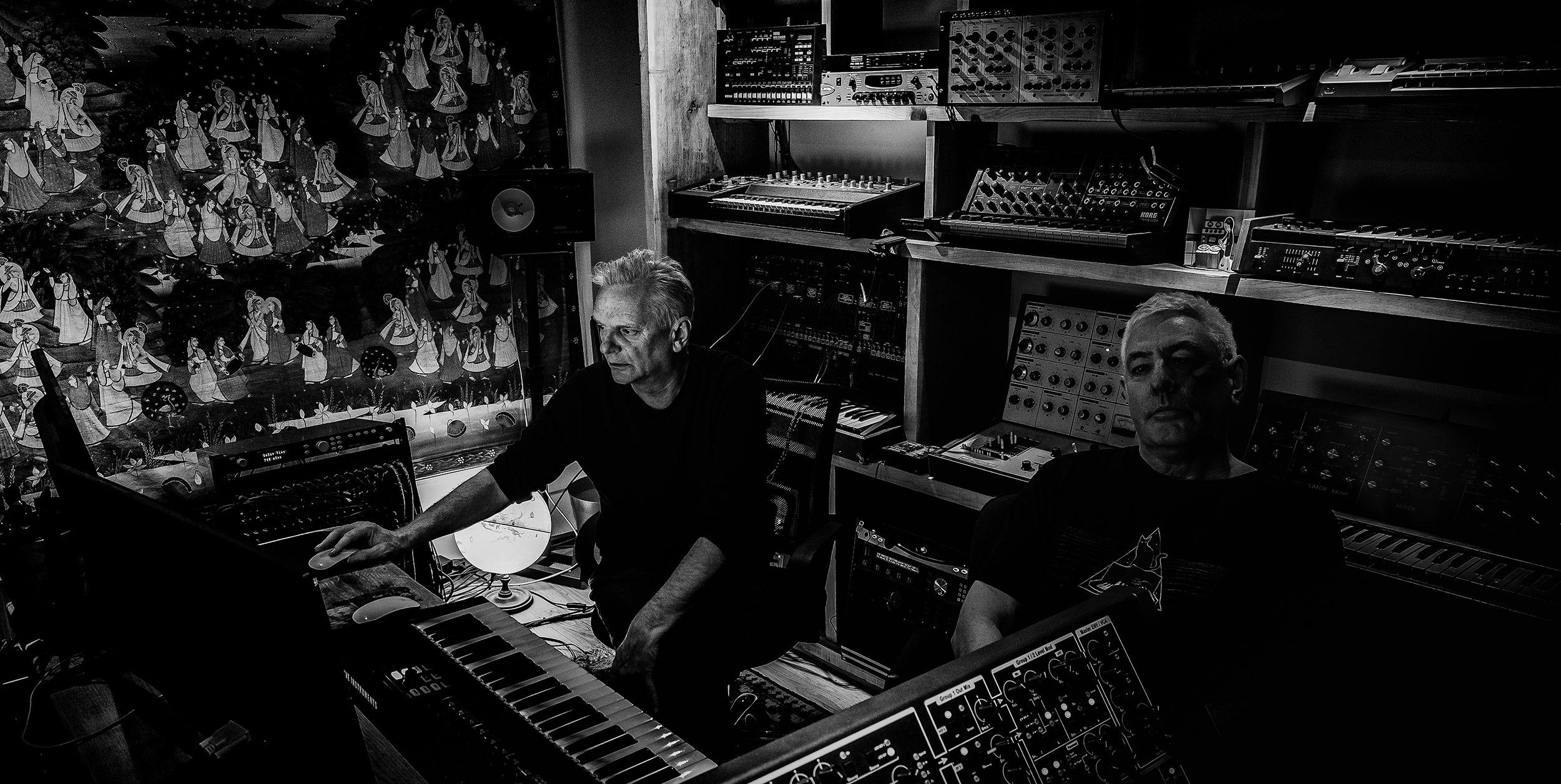
Infinite Scale’s Spotify BioInfinite Scale - musician.
Scale started making music in 1997 with an Ensonic EPS 16+ 2mb sampler, which he still uses in his studio set up to this day.
He has been commissioned to compose music for the BBC, both on radio and TV, and has done sessions for the late great Breezeblock on Radio 1, and at Maida Vale for The Blue Room.
Most of the early equipment I purchased such as the Novation Supernova, Technox Quasimidi, Alesis Midiverb and the Mac G4 still exist. I've found it difficult to part with these tools, as they were such an important part in developing my sound. Software synths were not as common then as we have now, so I've grown with this workflow. Additionally, we have to allow for faster processors and memory expansions, if we want to run modern synth emulations, effectively!
I sometimes find a lack of patience due to certain time restrictions in the studio, waiting for computers to settle themselves down etc. However, there is still much love gained from using software, and… I am happier now not saving to 3.5" floppies!
I hope you enjoy listening to the music, as much as I do creating it.
Harmi Palda.
Viberate is a music analytics platform built for A&Rs, artist managers, labels, booking agents, marketers, and artists.
It helps music professionals track artist growth, analyze audience data, monitor playlist activity, compare artists, follow song performance, and identify opportunities across the music market.
Public artist pages provide a free preview of selected artist data. Paid plans provide access to deeper analytics, historical data, charts, comparisons, playlist tools, exports, alerts, reports, and additional professional features.
Yes. Public Viberate artist pages provide selected artist analytics and music data for free.
Viberate also offers a 7-day free trial of the full platform. A credit card is required to start the trial. The trial includes access to the complete product so users can test deeper artist analytics, historical views, playlist insights, comparisons, charts, exports, alerts, and reporting features before choosing a paid plan.
Viberate provides artist analytics across streaming, playlists, social media, video, radio airplay, songs, and audience markets.
Users can analyze Spotify performance, Spotify and Apple Music playlists, YouTube activity, TikTok and Instagram growth, radio spins, song performance, audience locations, demographics, rankings, and overall artist momentum.
Artist profiles also connect to music charts, similar artists, and comparison tools, helping users benchmark performance and evaluate artists in context.
Viberate updates key artist and track data daily.
For followed artists and tracks, selected data is refreshed multiple times per day. This helps teams monitor playlist changes, streaming movement, audience growth, releases, and campaign performance with more current data.
Update frequency can vary depending on the metric and data source.
Yes. Viberate lets users compare up to five artists side by side across streaming, social media, audience, and engagement metrics.
Users can compare fanbase growth, audience demographics, locations, Spotify performance, social metrics, and other artist data over selected time periods.
Artist comparison can be used for A&R scouting, benchmarking, booking decisions, campaign planning, and evaluating artists with similar audiences or market positions.