Imperial State Electric

Rock
Hard Rock
Garage Rock
 Viberate Rank: 172681
 Viberate Rank: 172681
 Monthly ListenersFollowers
 Subscribers
 Followers
 Followers
 FansTop Spotify Songs
| Track | 7-Day Streams | |
|---|---|---|
1 | 1.68K | |
2 | 940 | |
3 | 783 | |
4 | 759 | |
5 | 364 |
Top YouTube VideosMonthly ListenersFeatured in Playlists| Playlist | Followers | |
|---|---|---|
1 | GRUNGE zerubi | 80.89K |
2 |  FENRIZ METAL Gylve | 32.35K |
3 |  Harley Davidson Road Songs EmirAltayTandoğan | 21.83K |
4 |  Bar Music 2026 rupert72 | 12.37K |
5 |  El Sótano de Radio 3 Groovyfamily | 9.84K |
Audience| City | Monthly Listeners | |
|---|---|---|
1 | | 1.04K |
2 | | 713 |
3 |  | 413 |
4 |  | 325 |
5 |  | 248 |
See full performance history, audience data, playlist activity, rankings, comparisons, and more in Viberate music analytics. Start with a free trial, then continue with a paid plan.
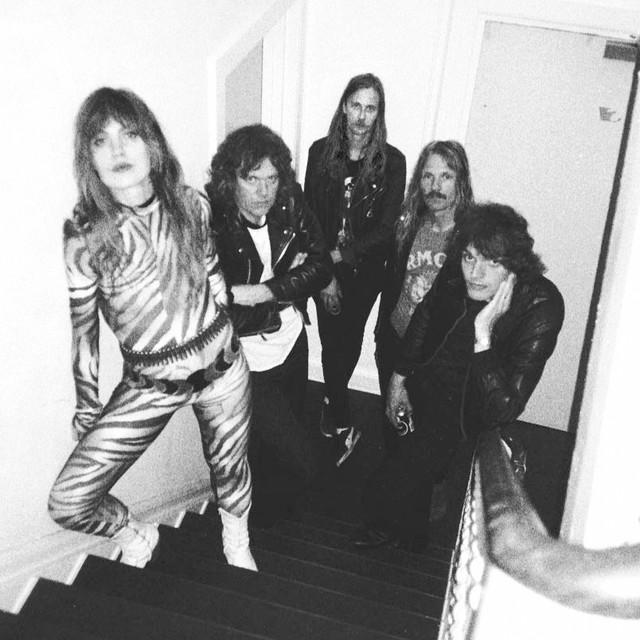
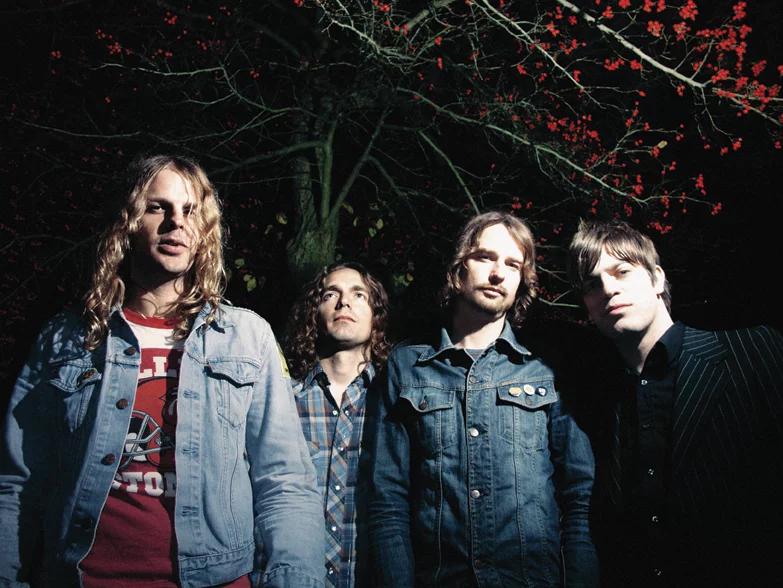
Imperial State Electric’s Spotify BioImperial State Electric was founded in 2009 by erstwhile Entombed and Hellacopters leader Nicke Andersson, but that was actually plan B, or maybe C... After breaking up the Hellacopters one year prior, the accomplished drummer and guitar player initially set out to work on a solo album, performing every instrument á la Dave Grohl and his formative Foo Fighters, barring a few contributions from old friends like one-time Hellacopter bandmates Dregen and Boba Fett, plus Death Breath member Neil Leyton. But at the same time, Andersson had also launched a new band named Cold Ethyl, featuring guitarist Tobias Egge, bassist Dolf de Borst (previously of the Datsuns), and drummer Thomas Eriksson, which, in time, became Imperial State Electric. And so it was the latter band's name gracing Andersson's augmented solo sessions when they landed on record store shelves in March 2010, surprising many a fan with its straight-faced homage to ‘70s classic rock, glam, and power pop. ISE proceeded to hit… the road and played to several large audiences on the European tour circuit, then started work on a sophomore full-length entitled Pop War -- this time as a true band -- which was released in early 2012. ~ Eduardo Rivadavia, Rovi
Viberate is a music analytics platform built for A&Rs, artist managers, labels, booking agents, marketers, and artists.
It helps music professionals track artist growth, analyze audience data, monitor playlist activity, compare artists, follow song performance, and identify opportunities across the music market.
Public artist pages provide a free preview of selected artist data. Paid plans provide access to deeper analytics, historical data, charts, comparisons, playlist tools, exports, alerts, reports, and additional professional features.
Yes. Public Viberate artist pages provide selected artist analytics and music data for free.
Viberate also offers a 7-day free trial of the full platform. A credit card is required to start the trial. The trial includes access to the complete product so users can test deeper artist analytics, historical views, playlist insights, comparisons, charts, exports, alerts, and reporting features before choosing a paid plan.
Viberate provides artist analytics across streaming, playlists, social media, video, radio airplay, songs, and audience markets.
Users can analyze Spotify performance, Spotify and Apple Music playlists, YouTube activity, TikTok and Instagram growth, radio spins, song performance, audience locations, demographics, rankings, and overall artist momentum.
Artist profiles also connect to music charts, similar artists, and comparison tools, helping users benchmark performance and evaluate artists in context.
Viberate updates key artist and track data daily.
For followed artists and tracks, selected data is refreshed multiple times per day. This helps teams monitor playlist changes, streaming movement, audience growth, releases, and campaign performance with more current data.
Update frequency can vary depending on the metric and data source.
Yes. Viberate lets users compare up to five artists side by side across streaming, social media, audience, and engagement metrics.
Users can compare fanbase growth, audience demographics, locations, Spotify performance, social metrics, and other artist data over selected time periods.
Artist comparison can be used for A&R scouting, benchmarking, booking decisions, campaign planning, and evaluating artists with similar audiences or market positions.