iMattix

Electronic
House
Dance
Techno
 Viberate Rank: 593249
 Viberate Rank: 593249
 Monthly ListenersFollowers
 Subscribers
 Followers
 Followers
 FansTop Spotify Songs
| Track | 7-Day Streams | |
|---|---|---|
1 | 2 |
Top YouTube VideosMonthly ListenersFeatured in Playlists| Playlist | Followers | |
|---|---|---|
1 |  Hands Up Freaks 4 To The Floor | 5.32K |
2 | Hands Up Party - 89ers, Bangbros, Basslovers United, Basshunter, Cascada, DJ Gollum, DJ Klubbingman, Empyre One, Giorno, Groove Coverage, Hitmen, Jan Wayne, Manian, Mark Oh, Master Blaster, Megasty... Summer Everyday | 1.34K |
Audience| City | Monthly Listeners | |
|---|---|---|
1 | | 3 |
See full performance history, audience data, playlist activity, rankings, comparisons, and more in Viberate music analytics. Start with a free trial, then continue with a paid plan.
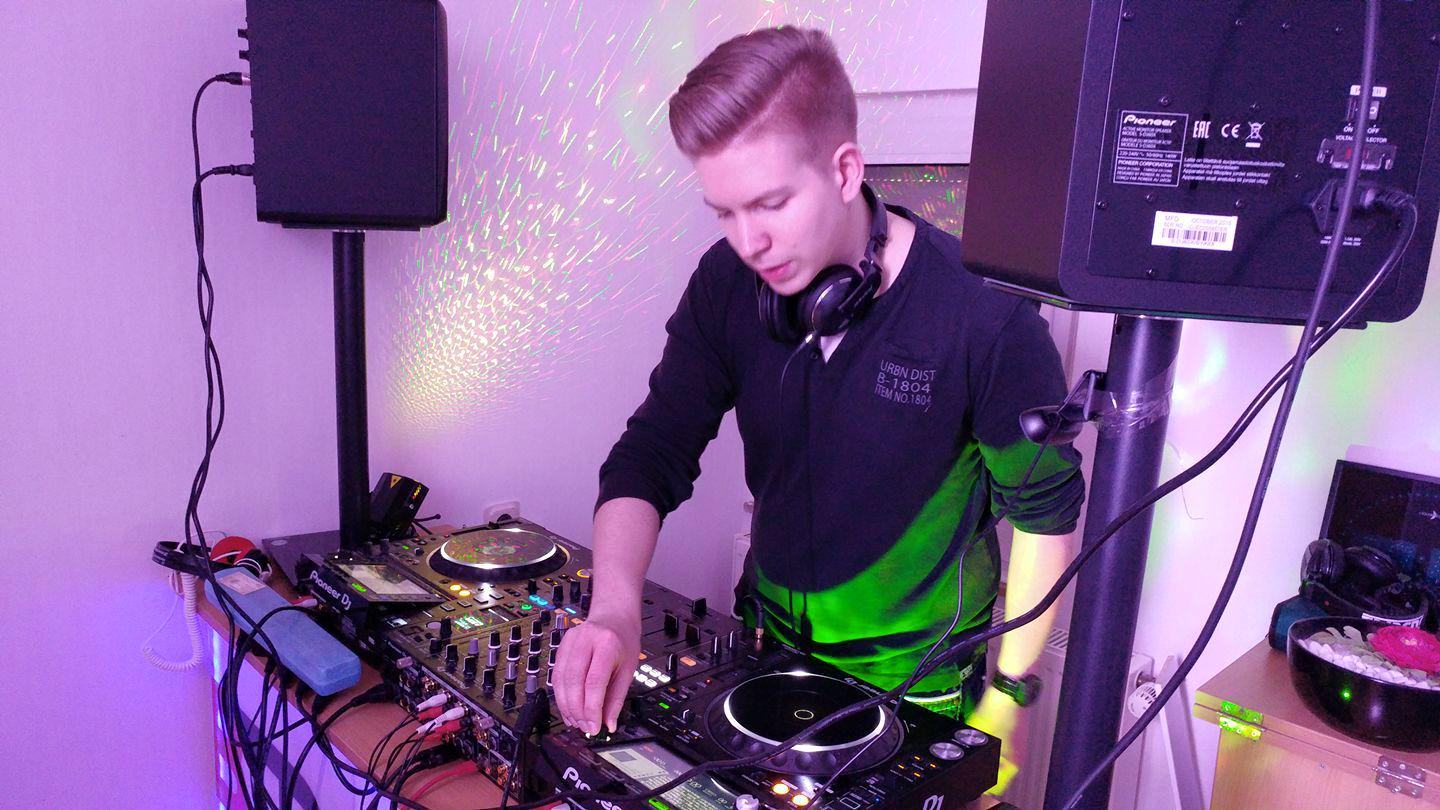
iMattix’s Spotify BioiMattix, born 26 May 1988 in Kamen, Germany as Matthias Kurz
Already in his younger days iMattix realized he had an interest for electronic dance music. In his family music did not play much of a role but from the start the new Techno Music fascinated iMattix a lot. Introduced to the medium via broadcasted performances and music videos this type of music inspired him from the late 1990s and through the 2000s up until today. Early on, the gift of a techno Sampler and a first CD-player/ DiscMan given to him by an uncle defined his taste in music. iMattix listened to this record day and night over and over again, it was a revelation…
Then one day he decided to start creating his own sound. Humble beginnings on an old Win XP machine led to first creative projects and achievements. While the hardware more resembled a pile of crap iMattix found his way and never gave up on his passion for music. In hours and days of hard work a first Track came into being which sounded like … well it sounded… like it sounded … never mind, one track became two, three and the sound was pretty much the same still until 2003. First steps in DAW software and a new system made it possible to go to the next level and get things going for real this time. Around the same time iMattix started out this ‘DJ-thing’ like everyone else infected by the music vibe.
Viberate is a music analytics platform built for A&Rs, artist managers, labels, booking agents, marketers, and artists.
It helps music professionals track artist growth, analyze audience data, monitor playlist activity, compare artists, follow song performance, and identify opportunities across the music market.
Public artist pages provide a free preview of selected artist data. Paid plans provide access to deeper analytics, historical data, charts, comparisons, playlist tools, exports, alerts, reports, and additional professional features.
Yes. Public Viberate artist pages provide selected artist analytics and music data for free.
Viberate also offers a 7-day free trial of the full platform. A credit card is required to start the trial. The trial includes access to the complete product so users can test deeper artist analytics, historical views, playlist insights, comparisons, charts, exports, alerts, and reporting features before choosing a paid plan.
Viberate provides artist analytics across streaming, playlists, social media, video, radio airplay, songs, and audience markets.
Users can analyze Spotify performance, Spotify and Apple Music playlists, YouTube activity, TikTok and Instagram growth, radio spins, song performance, audience locations, demographics, rankings, and overall artist momentum.
Artist profiles also connect to music charts, similar artists, and comparison tools, helping users benchmark performance and evaluate artists in context.
Viberate updates key artist and track data daily.
For followed artists and tracks, selected data is refreshed multiple times per day. This helps teams monitor playlist changes, streaming movement, audience growth, releases, and campaign performance with more current data.
Update frequency can vary depending on the metric and data source.
Yes. Viberate lets users compare up to five artists side by side across streaming, social media, audience, and engagement metrics.
Users can compare fanbase growth, audience demographics, locations, Spotify performance, social metrics, and other artist data over selected time periods.
Artist comparison can be used for A&R scouting, benchmarking, booking decisions, campaign planning, and evaluating artists with similar audiences or market positions.