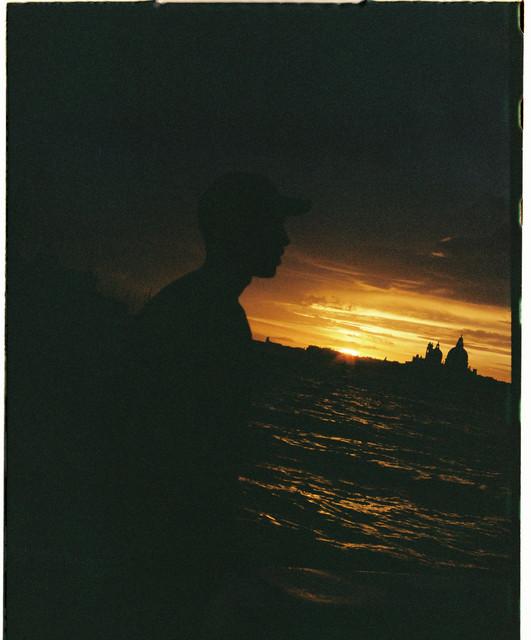
Illum Sphere

Electronic
Downtempo
Other Electronic Music
House
 Viberate Rank: 240791
 Viberate Rank: 240791
 Monthly ListenersFollowers
 Subscribers
 Followers
 Followers
 FansTop Spotify Songs
| Track | 7-Day Streams | |
|---|---|---|
1 | 1.09K | |
2 | 905 | |
3 | 386 | |
4 | 89 | |
5 | 84 |
Top YouTube VideosMonthly ListenersFeatured in Playlists| Playlist | Followers | |
|---|---|---|
1 |  Bonobo presents OUTLIER Radio Bonobo | 63.87K |
2 |  The 101 Most Amazing Songs of 2014 Spotify UK | 31.06K |
3 |  Chillwork wayspurrchen | 18.48K |
4 |  Tycho Selects Tycho | 16.09K |
5 |  Living In My Headphones James Lavelle (UNKLE) | 16.04K |
Audience| City | Monthly Listeners | |
|---|---|---|
1 | | 184 |
2 |  | 126 |
3 |  | 96 |
4 | | 94 |
5 |  | 78 |
See full performance history, audience data, playlist activity, rankings, comparisons, and more in Viberate music analytics. Start with a free trial, then continue with a paid plan.
Illum Sphere’s Spotify BioAlthough he was born in London, it wasn't until he moved north to Manchester and founded the Hoya:Hoya club night in 2008 that the experimental electronic music of Illum Sphere (Ryan Hunn) began to reach a modest audience. Once the night -- organized in conjunction with fellow Manchester-based DJ Jonny Dub -- made the transition from an occasional event to a regular fixture of the scene, Hunn was invited to release a series of singles on the Fat City label, including a track for their Producer series on the flip side of a split 7" with California artist Mono/Poly. This led to a 2010 EP for Dutch producer Martyn's 3024 imprint, before Hunn fulfilled a lifelong dream by co-founding a label. "Sweat the Descent" was the lead track on the first 12" to be released on the Hoya:Hoya label, which surfaced in November 2010. Another dream was fulfilled the following summer when Radiohead issued an Illum Sphere remix of their King of Limbs track "Codex."
While most of his earlier material had… flirted with awkward, playful rhythms, his 2012 EP for Young Turks, Birthday, was aimed squarely at the dancefloor. In late 2013, a remix of "Bluebell Fields," an album track by the Manchester-based, Verve-inspired indie act MONEY, appeared online ahead of an announcement that Illum Sphere had been signed to Ninja Tune. The single "Sleeprunner" was issued that December in advance of the haunting debut album Ghosts of Then & Now, which arrived in February 2014. Later that year, he delivered a Fabric mix inspired by his nights spinning at Hoya:Hoya. Hunn also created a mix for the Dekmantel podcast, but his output slowed as he refined his sound. The Spectre Vex and Second Sight singles hinted at the stark yet atmospheric territory of his second full-length, Glass, which Ninja Tune released in late 2016. ~ James Wilkinson, Rovi
Viberate is a music analytics platform built for A&Rs, artist managers, labels, booking agents, marketers, and artists.
It helps music professionals track artist growth, analyze audience data, monitor playlist activity, compare artists, follow song performance, and identify opportunities across the music market.
Public artist pages provide a free preview of selected artist data. Paid plans provide access to deeper analytics, historical data, charts, comparisons, playlist tools, exports, alerts, reports, and additional professional features.
Yes. Public Viberate artist pages provide selected artist analytics and music data for free.
Viberate also offers a 7-day free trial of the full platform. A credit card is required to start the trial. The trial includes access to the complete product so users can test deeper artist analytics, historical views, playlist insights, comparisons, charts, exports, alerts, and reporting features before choosing a paid plan.
Viberate provides artist analytics across streaming, playlists, social media, video, radio airplay, songs, and audience markets.
Users can analyze Spotify performance, Spotify and Apple Music playlists, YouTube activity, TikTok and Instagram growth, radio spins, song performance, audience locations, demographics, rankings, and overall artist momentum.
Artist profiles also connect to music charts, similar artists, and comparison tools, helping users benchmark performance and evaluate artists in context.
Viberate updates key artist and track data daily.
For followed artists and tracks, selected data is refreshed multiple times per day. This helps teams monitor playlist changes, streaming movement, audience growth, releases, and campaign performance with more current data.
Update frequency can vary depending on the metric and data source.
Yes. Viberate lets users compare up to five artists side by side across streaming, social media, audience, and engagement metrics.
Users can compare fanbase growth, audience demographics, locations, Spotify performance, social metrics, and other artist data over selected time periods.
Artist comparison can be used for A&R scouting, benchmarking, booking decisions, campaign planning, and evaluating artists with similar audiences or market positions.