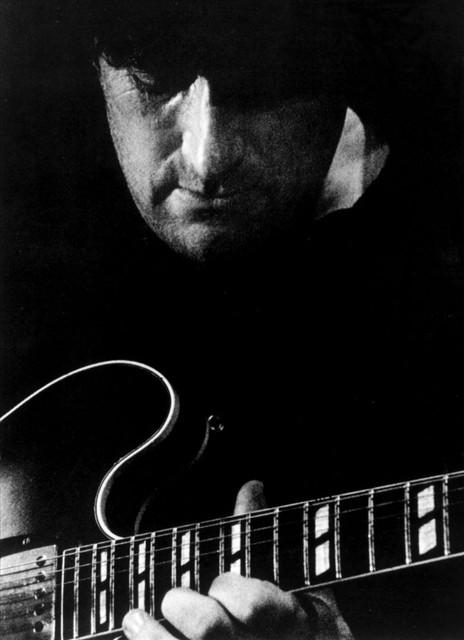
Ikue Mori

Jazz
Avant-garde Jazz
Free Jazz
 Viberate Rank: 331377
 Viberate Rank: 331377
 Monthly ListenersFollowers
 Subscribers
 Followers
 Followers
 FansTop Spotify Songs
| Track | 7-Day Streams | |
|---|---|---|
1 | 95 | |
2 | 65 | |
3 | 64 | |
4 | 54 | |
5 | 45 |
Top YouTube VideosMonthly ListenersFeatured in Playlists| Playlist | Followers | |
|---|---|---|
1 |  if I was a DJ Fever Ray | 20.14K |
2 |  The Sound of Free Jazz The Sounds of Spotify | 10.46K |
3 | Radiohead, Pixies, Deftones, Dinosaur Jr., The Smashing Pumpkins, The Cure, Fontaines D.C. and more! 2angiesays | 5.40K |
4 |  Matador Recommends Matador Records | 4.81K |
5 |  The Sound of Avant-Garde Jazz The Sounds of Spotify | 4.05K |
Audience| City | Monthly Listeners | |
|---|---|---|
1 |  | 50 |
2 |  | 31 |
3 | | 31 |
4 |  | 27 |
5 |  | 23 |
See full performance history, audience data, playlist activity, rankings, comparisons, and more in Viberate music analytics. Start with a free trial, then continue with a paid plan.
Ikue Mori’s Spotify BioIkue Mori has been a key member of the downtown music scene since moving to New York from Tokyo in 1977. She began her career playing drums for the seminal "no wave" group DNA, which she formed with guitarist Arto Lindsay and keyboardist Tim Wright. After the short-lived but highly influential group broke up in 1982, Mori began improvising live and recording with experimental musicians like Fred Frith, Tom Cora and, most notably, John Zorn. By 1985, Mori had completely abandoned the standard drum set in favor of her own unique drum machine/sampler set-up. Her signature instrument evolved into a highly customized arrangement of three self-programmed drum machines which she could trigger simultaneously to perform live, as well as for use recording.
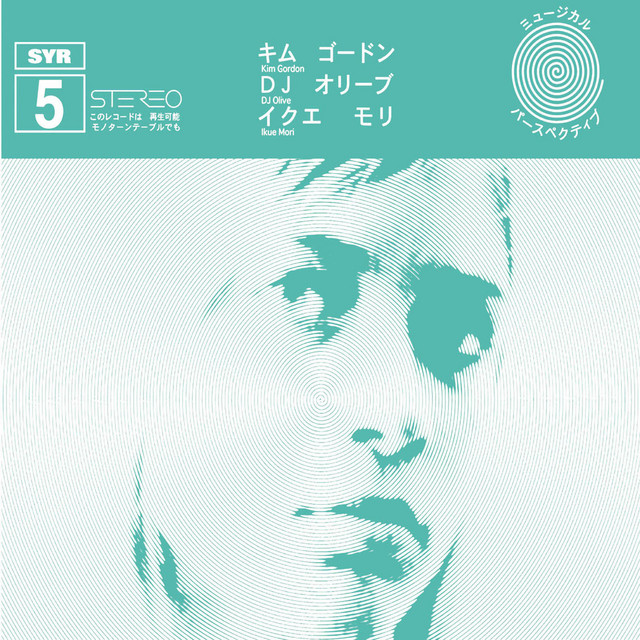
In 1990, Mori received an NEA grant to work with filmmaker Abigail Child, which marked the beginning of several soundtrack projects for the musician. Throughout the 90s, Mori played and recorded with countless musicians, including… projects/albums Death Praxis with vocalist Tenko, Painted Desert with guitarists Marc Ribot and Robert Quine and Death Ambient with guitarist Frith and bassist Kato Hideki. Mori's career-defining compositions on Hex Kitchen (1995) incorporate impressive performances by several of Mori's most frequent collaborators, including electric harp player Zeena Parkins, vocalist Catherine Jauniaux and trombonist Jim Staley. In 1996, Mori released her first solo drum machines album, Garden, followed by B/Side (1998), a collection of tracks originally recorded for Child's films. Mori continued to work with a myriad of performers in the avant-garde and electronic scenes in the late 1990s, including collaborations with gifted trumpeter Dave Douglas, Mr. Bungle vocalist Mike Patton, Sonic Youth's Kim Gordon, free jazz bassist William Parker and extensive work with composer/saxophonist John Zorn. Mori had several performance highlights in 1999, including an appearance on stage with Sonic Youth, a debut performance of new compositions with DJ Olive in New York City and an improvised duo with Chicago electronic music Jim O'Rourke. Ikue Mori is one of the most respected musicians in the downtown scene, renowned for her abilities as an accomplished composer and improviser and as one of the foremost electronic music innovators.
Viberate is a music analytics platform built for A&Rs, artist managers, labels, booking agents, marketers, and artists.
It helps music professionals track artist growth, analyze audience data, monitor playlist activity, compare artists, follow song performance, and identify opportunities across the music market.
Public artist pages provide a free preview of selected artist data. Paid plans provide access to deeper analytics, historical data, charts, comparisons, playlist tools, exports, alerts, reports, and additional professional features.
Yes. Public Viberate artist pages provide selected artist analytics and music data for free.
Viberate also offers a 7-day free trial of the full platform. A credit card is required to start the trial. The trial includes access to the complete product so users can test deeper artist analytics, historical views, playlist insights, comparisons, charts, exports, alerts, and reporting features before choosing a paid plan.
Viberate provides artist analytics across streaming, playlists, social media, video, radio airplay, songs, and audience markets.
Users can analyze Spotify performance, Spotify and Apple Music playlists, YouTube activity, TikTok and Instagram growth, radio spins, song performance, audience locations, demographics, rankings, and overall artist momentum.
Artist profiles also connect to music charts, similar artists, and comparison tools, helping users benchmark performance and evaluate artists in context.
Viberate updates key artist and track data daily.
For followed artists and tracks, selected data is refreshed multiple times per day. This helps teams monitor playlist changes, streaming movement, audience growth, releases, and campaign performance with more current data.
Update frequency can vary depending on the metric and data source.
Yes. Viberate lets users compare up to five artists side by side across streaming, social media, audience, and engagement metrics.
Users can compare fanbase growth, audience demographics, locations, Spotify performance, social metrics, and other artist data over selected time periods.
Artist comparison can be used for A&R scouting, benchmarking, booking decisions, campaign planning, and evaluating artists with similar audiences or market positions.