IIIrd Tyme Out

Country
Bluegrass
 Viberate Rank: 172297
 Viberate Rank: 172297
 Monthly ListenersFollowers
 Subscribers
 Followers
 Followers
 FansTop Spotify Songs
| Track | 7-Day Streams | |
|---|---|---|
1 | 5.52K | |
2 | 3.30K | |
3 | 1.60K | |
4 | 1.47K | |
5 | 1.22K |
Top YouTube VideosMonthly ListenersFeatured in Playlists| Playlist | Followers | |
|---|---|---|
1 | Bluegrass Gospel and Hymns Griffith1230 | 20.20K |
2 | Hayden Eldridge | 13.26K |
3 |  Country & bluegrass Ludvig Tarland | 9.79K |
4 | Bluegrass 1258178990 | 7.83K |
5 | Old Songs for the Soul hdzf8m | 5.88K |
Audience| City | Monthly Listeners | |
|---|---|---|
1 | | 1.28K |
2 | | 795 |
3 | | 766 |
4 | | 665 |
5 | | 647 |
See full performance history, audience data, playlist activity, rankings, comparisons, and more in Viberate music analytics. Start with a free trial, then continue with a paid plan.
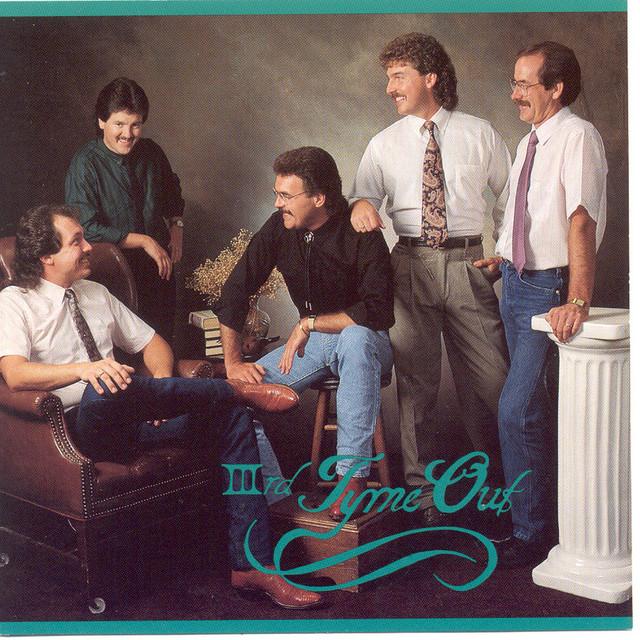
IIIrd Tyme Out’s Spotify BioIIIrd Tyme Out is one of the leading bluegrass vocal groups of the 1990s. Formed in 1991 by lead vocalist and guitarist Russell Moore, fiddler Mike Hargrove, and bass vocalist and electric bass player Ray Deaton, shortly after they left Doyle Lawson & Quicksilver, the Georgia-based quintet has received numerous Vocal Group of the Year awards from the International Bluegrass Music Association (IBMA) and the Society for the Preservation of Bluegrass Music in America (SPBGMA). While most of their repertoire centers around the bluegrass and country songs of Bill and Charlie Monroe, the Delmore Brothers, the Carter Family, Hank Williams, and Jimmie Rodgers, the group has been equally effective with gospel material. Their 1996 album, Living on the Other Side, was an all-gospel recording that included the Lester Flatt tune "I'm Working on a Road to Gloryland," with guest Earl Scruggs on guitar. The song became a Top Ten country hit and was named Song of the Year by the IBMA. In addition,… IIIrd Tyme Out was named Best Contemporary Gospel Group by the SPBGMA in 1997 and 1998.
Strengthened by the soulful singing of Moore, a three-time winner of the SPBGMA's award for Best Contemporary Male Vocalist and the recipient of the IBMA's award for Best Male Vocalist in 1994 and 1997, and the deep vocal tones of Deaton, IIIrd Tyme Out is the product of a group effort. Mandolin player and harmony vocalist Wayne Benson replaced Alan Bibey and banjo player Barry Abernathy replaced Terry Baucom shortly before the band recorded their third album, Grandpa's Mandolin in 1993. Abernathy was subsequently replaced by Steve Dilling. IIIrd Tyme Out continues to set the pace for bluegrass singing. The group was named Vocal Group of the Year by the IBMA in 1998, returning in 1999 with John & Mary. Two live albums, 1998's Live at the MAC and 2001's Back to the MAC, were also popular with both fans and critics. 2004 saw the release of The Best Durn Ride, while 2006 brought yet a third live album, Round III at the Mac. ~ Craig Harris, Rovi
Viberate is a music analytics platform built for A&Rs, artist managers, labels, booking agents, marketers, and artists.
It helps music professionals track artist growth, analyze audience data, monitor playlist activity, compare artists, follow song performance, and identify opportunities across the music market.
Public artist pages provide a free preview of selected artist data. Paid plans provide access to deeper analytics, historical data, charts, comparisons, playlist tools, exports, alerts, reports, and additional professional features.
Yes. Public Viberate artist pages provide selected artist analytics and music data for free.
Viberate also offers a 7-day free trial of the full platform. A credit card is required to start the trial. The trial includes access to the complete product so users can test deeper artist analytics, historical views, playlist insights, comparisons, charts, exports, alerts, and reporting features before choosing a paid plan.
Viberate provides artist analytics across streaming, playlists, social media, video, radio airplay, songs, and audience markets.
Users can analyze Spotify performance, Spotify and Apple Music playlists, YouTube activity, TikTok and Instagram growth, radio spins, song performance, audience locations, demographics, rankings, and overall artist momentum.
Artist profiles also connect to music charts, similar artists, and comparison tools, helping users benchmark performance and evaluate artists in context.
Viberate updates key artist and track data daily.
For followed artists and tracks, selected data is refreshed multiple times per day. This helps teams monitor playlist changes, streaming movement, audience growth, releases, and campaign performance with more current data.
Update frequency can vary depending on the metric and data source.
Yes. Viberate lets users compare up to five artists side by side across streaming, social media, audience, and engagement metrics.
Users can compare fanbase growth, audience demographics, locations, Spotify performance, social metrics, and other artist data over selected time periods.
Artist comparison can be used for A&R scouting, benchmarking, booking decisions, campaign planning, and evaluating artists with similar audiences or market positions.