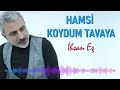
İhsan Eş

Middle Eastern
Turkish Folk
 Viberate Rank: 108424
 Viberate Rank: 108424
 Monthly ListenersFollowers
 Subscribers
 Followers
 Followers
 FansTop Spotify SongsTop YouTube Videos
| Video | 7-Day Views | |
|---|---|---|
1 | 4.56K | |
2 | 2.96K | |
3 | 2.68K | |
4 | 2.08K | |
5 | 1.56K |
Monthly ListenersFeatured in Playlists| Playlist | Followers | |
|---|---|---|
1 | Karadeniz Hareketli Efsaneler Fozen61 | 15.22K |
2 | Karadeniz Turkuleri Aysun Sen | 14.20K |
3 | Karadeniz Hareketli Yusuf Terzi | 7.47K |
4 | Kemençe Horon Kaan Usta | 6.01K |
5 |  SARAÇHANE - 19 MART DARBESİ Ef | 5.06K |
Audience| City | Monthly Listeners | |
|---|---|---|
1 | | 2.41K |
2 | | 901 |
3 | | 313 |
4 | | 271 |
5 | | 163 |
See full performance history, audience data, playlist activity, rankings, comparisons, and more in Viberate music analytics. Start with a free trial, then continue with a paid plan.
İhsan Eş’s Spotify Bioİhsan Eş 1971’de Almanya Köln’de doğdu. İlkokula Trabzon Uzungöl’de başladı. Türkülerini derledi, besteledi, sonrasında da albümlerinde seslendirdi.
İlk albümü “Espira” 2009’da ( Kalan müzik ) ikinci albümü “ Deniz’e ” ( Marka müzik ) 2016’da dinleyicisiyle buluştu. Ayrıca Karadeniz’e Kalan albüm serilerine de eserlerini verdi. 2018’de türkü albümü “Yakın” yine Kalan müzik tarafından yayınlanan İhsan Eş Ankara’daki stüdyosunda bir çok sanatçının albümlerinin aranje ve müzik yönetmenliğini de yapıyor. Türkiye’de ilk kez internet üzerinden çoklu kamera sistemiyle hazırladığı “Türkü Diyorum Sana” programınında bir çok sanatçıyı da konuk ediyor.
İhsan Eş was born in Cologne, Germany in 1971. He started primary school in Trabzon Uzungöl. He grew up with Çaykara folklore. After settling in Ankara, he did not cut off ties with his roots. He compiled, composed, played and sang his folk songs in his albums.
His first album "Espira" met the audience in 2009 (Kalan müzik) and his second album… "Deniz" in 2016 (Marka müzik). He also contributed to the "Black Sea Heritage" album series. İhsan Eş, whose folk album “Close” was released in 2018 by Kalan Müzik, is also acting as the arranger and music director for the albums of many artists in his studio in Ankara. He also invites many folk singers as guests to his "I Say Folk" program prepared by multi-camera system via internet for the first time in Turkey.
Viberate is a music analytics platform built for A&Rs, artist managers, labels, booking agents, marketers, and artists.
It helps music professionals track artist growth, analyze audience data, monitor playlist activity, compare artists, follow song performance, and identify opportunities across the music market.
Public artist pages provide a free preview of selected artist data. Paid plans provide access to deeper analytics, historical data, charts, comparisons, playlist tools, exports, alerts, reports, and additional professional features.
Yes. Public Viberate artist pages provide selected artist analytics and music data for free.
Viberate also offers a 7-day free trial of the full platform. A credit card is required to start the trial. The trial includes access to the complete product so users can test deeper artist analytics, historical views, playlist insights, comparisons, charts, exports, alerts, and reporting features before choosing a paid plan.
Viberate provides artist analytics across streaming, playlists, social media, video, radio airplay, songs, and audience markets.
Users can analyze Spotify performance, Spotify and Apple Music playlists, YouTube activity, TikTok and Instagram growth, radio spins, song performance, audience locations, demographics, rankings, and overall artist momentum.
Artist profiles also connect to music charts, similar artists, and comparison tools, helping users benchmark performance and evaluate artists in context.
Viberate updates key artist and track data daily.
For followed artists and tracks, selected data is refreshed multiple times per day. This helps teams monitor playlist changes, streaming movement, audience growth, releases, and campaign performance with more current data.
Update frequency can vary depending on the metric and data source.
Yes. Viberate lets users compare up to five artists side by side across streaming, social media, audience, and engagement metrics.
Users can compare fanbase growth, audience demographics, locations, Spotify performance, social metrics, and other artist data over selected time periods.
Artist comparison can be used for A&R scouting, benchmarking, booking decisions, campaign planning, and evaluating artists with similar audiences or market positions.