Iced Earth

Metal
Power Metal
Thrash Metal
 Viberate Rank: 25599
 Viberate Rank: 25599
 Monthly ListenersFollowers
 Subscribers
 Followers
 Followers
 FansTop Spotify Songs
| Track | 7-Day Streams | |
|---|---|---|
1 | 27.16K | |
2 | 24.99K | |
3 | 21.27K | |
4 | 11.57K | |
5 | 8.69K |
Top YouTube VideosMonthly ListenersFeatured in Playlists| Playlist | Followers | |
|---|---|---|
1 |  Heavy Ballads Spotify | 1.58M |
2 | Hard Rock /Metal rodney martin | 389.57K |
3 |  Gym Motivation 💪🏼 Old School 80s - 2026 🏛️ Beast Mode Music | 181.75K |
4 | BEST GUITAR SOLOS OF ALL TIME t.riccardo | 95.19K |
5 | sad metal songs. Sebastian Finta | 78.46K |
Audience| City | Monthly Listeners | |
|---|---|---|
1 |  | 6.27K |
2 |  | 4.92K |
3 |  | 4.47K |
4 |  | 4.34K |
5 |  | 4.32K |
See full performance history, audience data, playlist activity, rankings, comparisons, and more in Viberate music analytics. Start with a free trial, then continue with a paid plan.
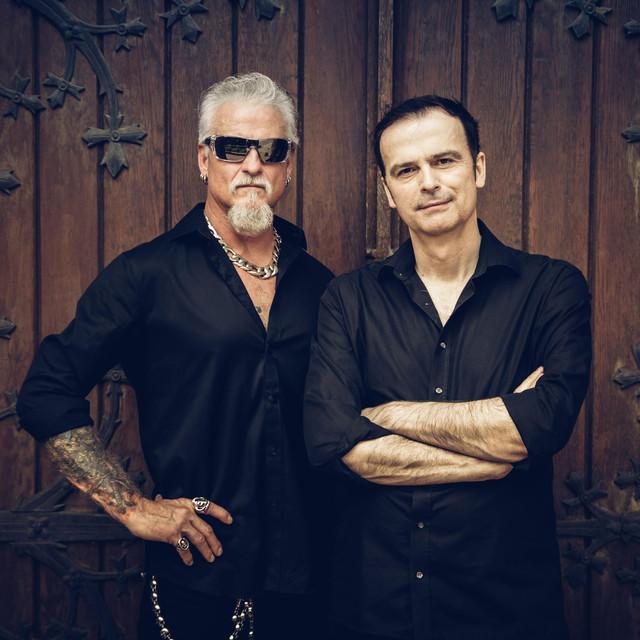
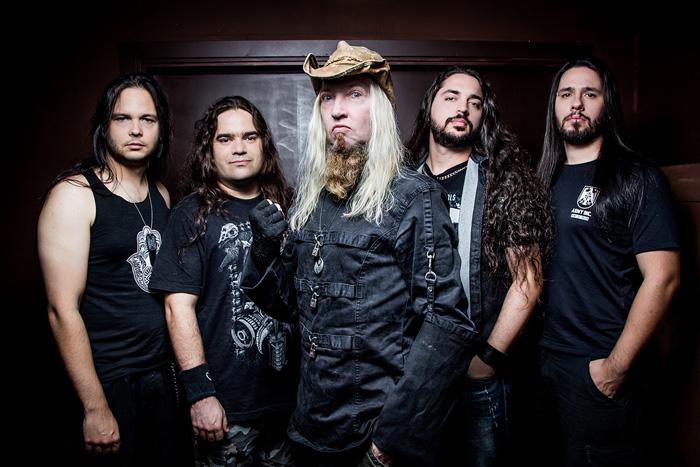
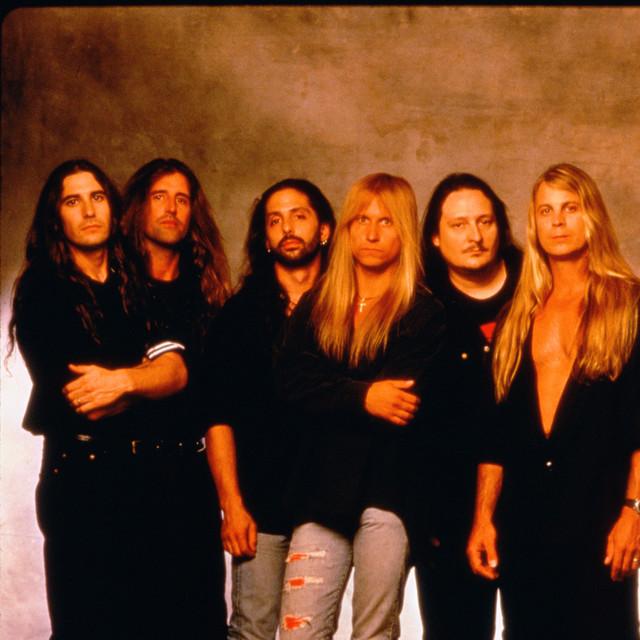
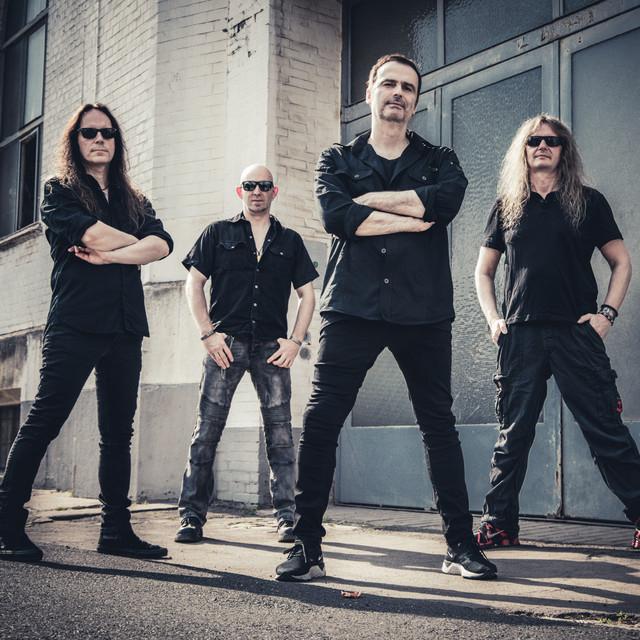
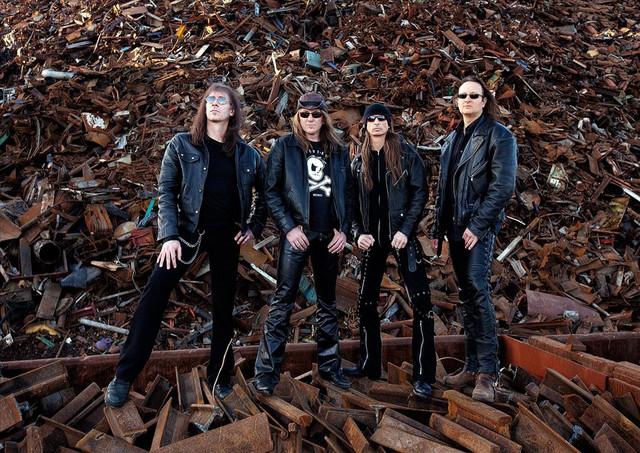
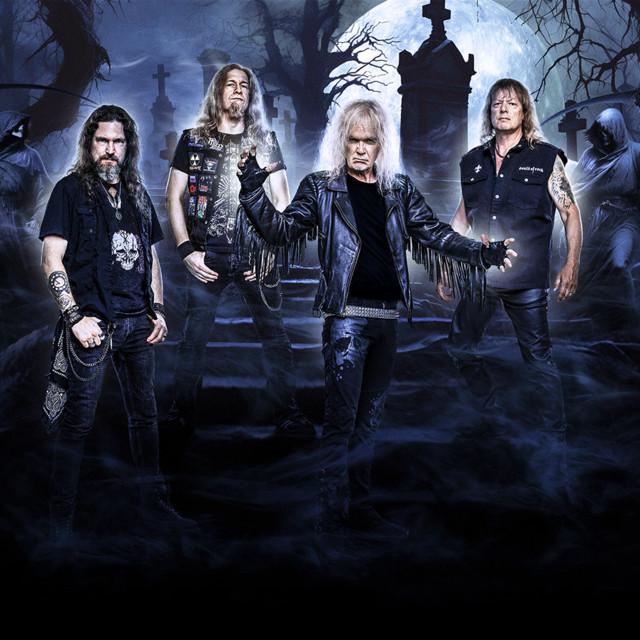
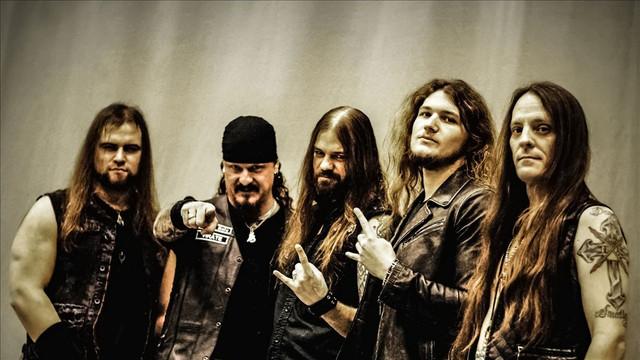
Iced Earth’s Spotify BioFashion trends may come and go, but Florida's Iced Earth have remained steadfastly committed to championing the cause of heavy metal through thick and thin. After years of laboring in obscurity and undergoing countless lineup changes, they slowly emerged as one of the greatest hopes for classic metal in America.
Originally formed in 1984 as the Rose and later Purgatory by guitarist Jon Schaffer, the band spent five years in a constant state of flux while paying their dues on the Florida live circuit. They slowly honed their sound by combining '80s thrash influences with the classic metal approach of Iron Maiden. Their 1988 Enter the Realm demo was an underground favorite, and after changing their name to Iced Earth, the band recorded their eponymous 1990 album with a lineup consisting of guitarists Schaffer and Randall Shawver, singer Gene Adams, bassist Dave Abell, and drummer Mike McGill.
Further personnel changes saw the arrival of singer John Greely and drummer Richey Secchiari for… 1991's Night of the Stormrider, an ambitious concept album which nevertheless fell on deaf ears. Disheartened, Greely decided to call it quits, but Iced Earth would re-emerge three years later with 1995's Burnt Offerings, released on Century Media Records and featuring vocalist Matthew Barlow and drummer Rodney Beasley. Constant touring saw Barlow prove himself the band's first reliable singer, and Iced Earth hit their stride with the following year's The Dark Saga. Despite the arrival of a new rhythm section (bassist Keith Menser and drummer Mark Prator), the album showcased the ever-improving consistency and quality of Schaffer and Shawver's songwriting, as well as excellent cover artwork from Spawn comic book creator Todd MacFarlane.
Iced Earth were so happy with that lineup that they returned to the studio in 1997 to re-record the best of their early material with Barlow on vocals, resulting in the appropriately titled Days of Purgatory collection. Schaffer also decided to relocate Iced Earth to Indiana for "strategic reasons," prompting the departure of longtime cohort Shawver before the first sessions of 1998's Something Wicked This Way Comes. The album repeated the successful formula of its predecessors, and with new guitarist Larry Tarnowski and new bassist James MacDonough in tow, the band embarked on their most ambitious world tour yet. Their performances in Greece (one of the band's largest markets) yielded the double-album Alive in Athens, released in 1999. Horror Show appeared in summer 2001. They issued the covers album Tribute to the Gods in 2002. After endless touring and the departure of Barlow, former Judas Priest vocalist Tim "Ripper" Owens took over the lead vocal chair. The band released their sprawling double-disc concept recording Glorious Burden in 2004 to glowing reviews. In 2007, Iced Earth released two recordings: Framing Armageddon: Something Wicked, Pt. 1, and Overture of the Wicked EP. Following suit in 2008, they released Crucible of Man: Something Wicked, Pt. 2, and the EP I Walk Among You, followed by a world tour. In 2010, the SPV/Steamhammer imprint released the five-disc Box of the Wicked, which contained both parts of Something Wicked, and the accompanying two EPs, all on separate discs. The fifth disc contained bonus material: a re-recorded version of "A Charge to Keep" and live versions of "Dark Saga," "Iced Earth," and "Pure Evil."
The following year, Barlow announced his second departure from the band -- after rejoining in 2008 -- with Into Eternity's Stu Block taking over vocal duties. In October the group issued their tenth studio album, Dystopia, and embarked on a hefty world tour, taking in some 133 dates. By 2012, bassist Freddie Vidales had stepped down, replaced by Fury UK's Luke Appleton, and the group issued Live in Ancient Kourion, which had been recorded on the Dystopia tour in Cyprus. At the beginning of 2014 the band -- which now featured Jon Dette on drums -- released their 11th studio album, Plagues of Babylon. After a year away -- while Schaffer recovered from cervical fusion surgery -- the band announced they would start to write and record their 12th studio album. The resulting Incorruptible was issued in mid-2017. ~ Eduardo Rivadavia, Rovi
Viberate is a music analytics platform built for A&Rs, artist managers, labels, booking agents, marketers, and artists.
It helps music professionals track artist growth, analyze audience data, monitor playlist activity, compare artists, follow song performance, and identify opportunities across the music market.
Public artist pages provide a free preview of selected artist data. Paid plans provide access to deeper analytics, historical data, charts, comparisons, playlist tools, exports, alerts, reports, and additional professional features.
Yes. Public Viberate artist pages provide selected artist analytics and music data for free.
Viberate also offers a 7-day free trial of the full platform. A credit card is required to start the trial. The trial includes access to the complete product so users can test deeper artist analytics, historical views, playlist insights, comparisons, charts, exports, alerts, and reporting features before choosing a paid plan.
Viberate provides artist analytics across streaming, playlists, social media, video, radio airplay, songs, and audience markets.
Users can analyze Spotify performance, Spotify and Apple Music playlists, YouTube activity, TikTok and Instagram growth, radio spins, song performance, audience locations, demographics, rankings, and overall artist momentum.
Artist profiles also connect to music charts, similar artists, and comparison tools, helping users benchmark performance and evaluate artists in context.
Viberate updates key artist and track data daily.
For followed artists and tracks, selected data is refreshed multiple times per day. This helps teams monitor playlist changes, streaming movement, audience growth, releases, and campaign performance with more current data.
Update frequency can vary depending on the metric and data source.
Yes. Viberate lets users compare up to five artists side by side across streaming, social media, audience, and engagement metrics.
Users can compare fanbase growth, audience demographics, locations, Spotify performance, social metrics, and other artist data over selected time periods.
Artist comparison can be used for A&R scouting, benchmarking, booking decisions, campaign planning, and evaluating artists with similar audiences or market positions.