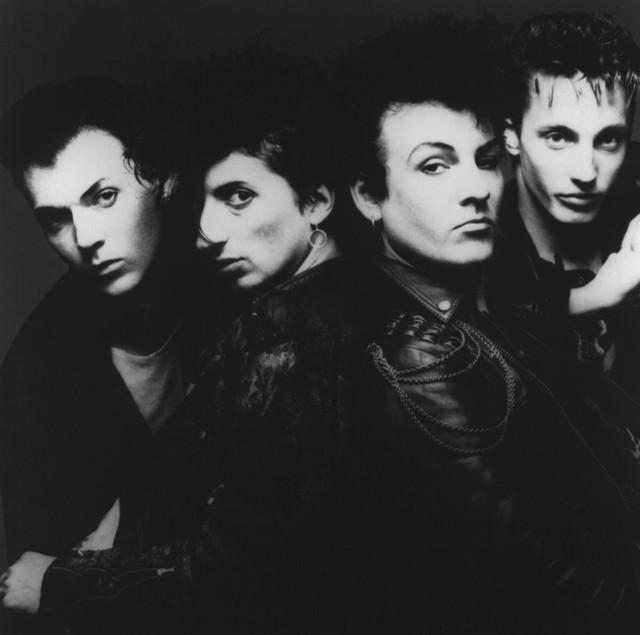
Ian McCulloch

Punk
Punk Rock
Pop Rock
Indie Rock
 Viberate Rank: 138737
 Viberate Rank: 138737
 Monthly ListenersFollowers
 Subscribers
 Followers
 Followers
 FansTop Spotify Songs
| Track | 7-Day Streams | |
|---|---|---|
1 | 7.47K | |
2 | 6.55K | |
3 | 3.55K | |
4 | 3.31K | |
5 | 3.25K |
Top YouTube VideosMonthly ListenersFeatured in Playlists| Playlist | Followers | |
|---|---|---|
1 |  80s New Wave & Alternative Troy @ TavernTails | 194.34K |
2 | MTV unplugged best of DJ Sticky Fingaz | 116.09K |
3 | Unplugged & acoustics 90s fermorsan | 76.90K |
4 |  This Is Manic Street Preachers Spotify | 35.83K |
5 |  FM Aspen 102.3 el_chacker | 33.25K |
Audience| City | Monthly Listeners | |
|---|---|---|
1 |  | 684 |
2 | | 545 |
3 |  | 506 |
4 |  | 451 |
5 |  | 449 |
See full performance history, audience data, playlist activity, rankings, comparisons, and more in Viberate music analytics. Start with a free trial, then continue with a paid plan.
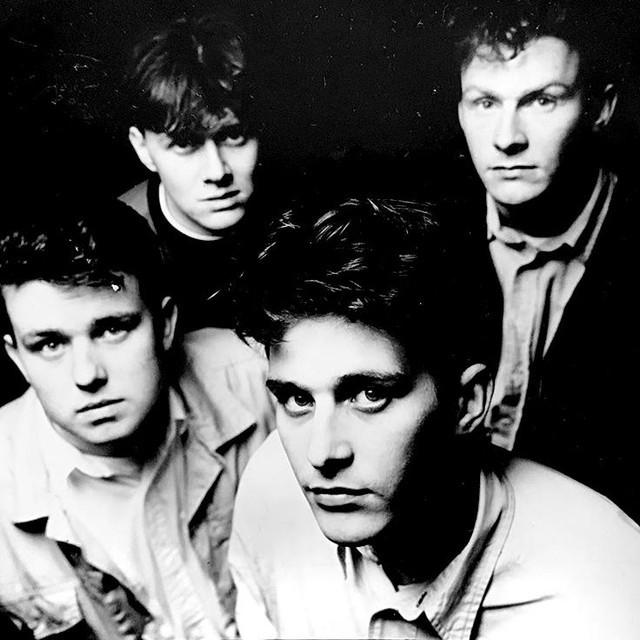
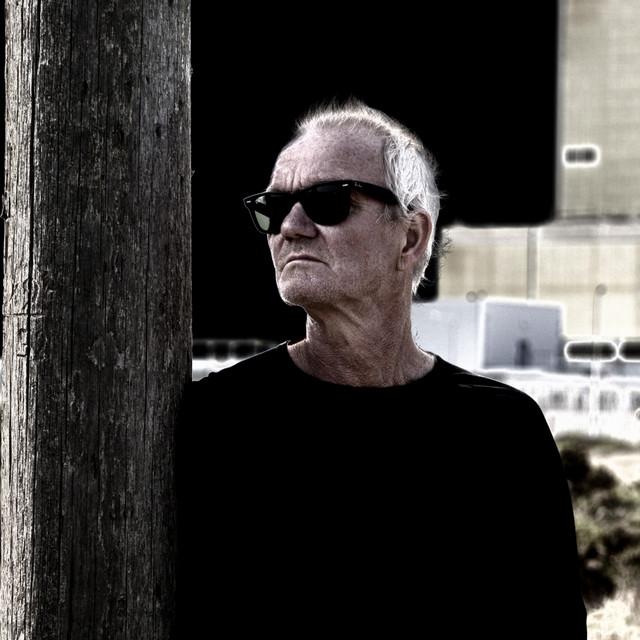
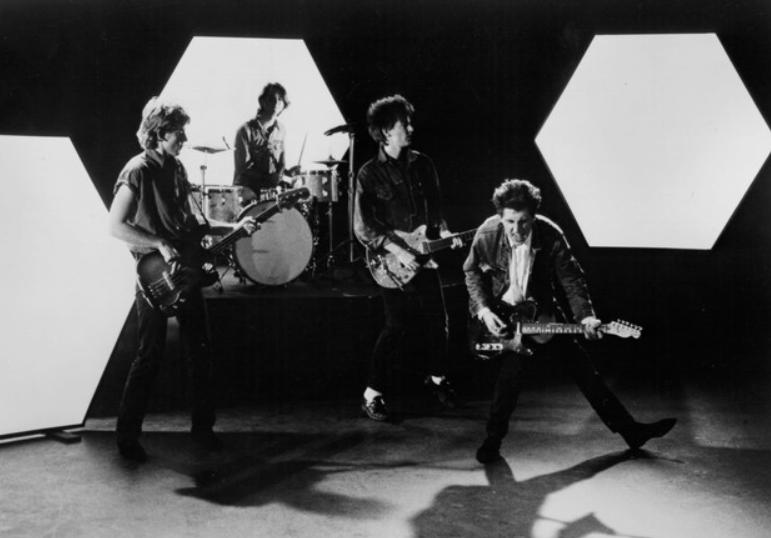
Ian McCulloch’s Spotify BioThe big-mouthed/well-coifed frontman of Liverpool's Echo & the Bunnymen, Ian McCulloch got his start with Pete Wylie and Julian Cope as the Crucial Three. This band lasted just over a month; Wylie and Cope bounced around in a couple of bands, with Wylie eventually starting Wah! and Cope forming the Teardrop Explodes. McCulloch formed Echo & the Bunnymen with Will Sergeant in 1978, who went on to become one of England's most successful and important pop bands throughout the '80s. McCulloch left the band in late 1988 to pursue a solo career. 1989's atmospheric Candleland stood up to his band's best work and was quite successful in the U.K., reaching the Top 20. 1992's Mysterio wasn't as strong, failing to do as well on the charts. During the tail-end of the '80s and the early '90s, McCulloch shut himself out from the rest of the world, staying in his Liverpool house and helping raise his two daughters. The combination of a frenzied lifestyle and the death of his father were enough to… make him take a few steps back and virtually disappear from the public eye for several years. Around 1994, McCulloch patched up his friendship with Sergeant. Under the name Electrafixion, the duo added a rhythm section and released 1995's Burned, which scored the band a couple of minor hits on alternative radio in the U.S. Echo bassist Les Pattinson entered the picture, and the trio decided to record again as Echo & the Bunnymen. 1997's Evergreen, 1999's What Are You Going to Do with Your Life, and 2001's Flowers were each received positively in the press, if not quite living up to the high standard of the group's original incarnation. 2001 proved to be a busy year for McCulloch, who toured with the Bunnymen and inked a solo deal with U.K. indie Jeepster. Rhino also issued a four-CD box set of Echo & the Bunnymen material, entitled Crystal Days. Nearly 11 years after his last solo effort, McCulloch returned with Slideling in spring 2003. The album was released on Echo & the Bunnymen's stateside label spinART and featured collaborations with Coldplay's Chris Martin and Jonny Buckland, and actor John Simm (24 Hour Party People). In 2013, McCulloch delivered the fan-funded studio album, Pro Patria Mori, and the concert album, Live at Liverpool Anglican Cathedral. Both albums were also released as a double-package titled, Holy Ghosts. ~ Andy Kellman, Rovi
Viberate is a music analytics platform built for A&Rs, artist managers, labels, booking agents, marketers, and artists.
It helps music professionals track artist growth, analyze audience data, monitor playlist activity, compare artists, follow song performance, and identify opportunities across the music market.
Public artist pages provide a free preview of selected artist data. Paid plans provide access to deeper analytics, historical data, charts, comparisons, playlist tools, exports, alerts, reports, and additional professional features.
Yes. Public Viberate artist pages provide selected artist analytics and music data for free.
Viberate also offers a 7-day free trial of the full platform. A credit card is required to start the trial. The trial includes access to the complete product so users can test deeper artist analytics, historical views, playlist insights, comparisons, charts, exports, alerts, and reporting features before choosing a paid plan.
Viberate provides artist analytics across streaming, playlists, social media, video, radio airplay, songs, and audience markets.
Users can analyze Spotify performance, Spotify and Apple Music playlists, YouTube activity, TikTok and Instagram growth, radio spins, song performance, audience locations, demographics, rankings, and overall artist momentum.
Artist profiles also connect to music charts, similar artists, and comparison tools, helping users benchmark performance and evaluate artists in context.
Viberate updates key artist and track data daily.
For followed artists and tracks, selected data is refreshed multiple times per day. This helps teams monitor playlist changes, streaming movement, audience growth, releases, and campaign performance with more current data.
Update frequency can vary depending on the metric and data source.
Yes. Viberate lets users compare up to five artists side by side across streaming, social media, audience, and engagement metrics.
Users can compare fanbase growth, audience demographics, locations, Spotify performance, social metrics, and other artist data over selected time periods.
Artist comparison can be used for A&R scouting, benchmarking, booking decisions, campaign planning, and evaluating artists with similar audiences or market positions.